WASHINGTON, D.C. - Today, Congressman Brett Guthrie (KY-02), Chairman of the House Committee on Energy and Commerce, delivered remarks on the House floor regarding H.R. 7257, the Securing Community Upgrades for a Resilient Grid (SECURE Grid) Act, H.R.7258, the Energy Emergency Leadership Act, H.R. 7266, the Rural and Municipal Utility Cybersecurity Act, and H.R.7305, the Energy Threat Analysis Center Act of 2026. These bills strengthen the cybersecurity of America's grid to ensure the safe and reliable delivery of energy to communities across the country.
Chairman Guthrie's remarks on H.R. 7257, the Securing Community Upgrades for a Resilient Grid (SECURE Grid) Act, as prepared for delivery:
"I rise in support of H.R. 7257 the SECURE Grid Act, sponsored by my colleague and Energy Subcommittee Chairman from Ohio's 5th Congressional District.
"State Energy Security Plans are an important tool for states to consider vulnerabilities in their energy systems.
"The interconnected nature of our energy systems requires constant information sharing and cohesive planning to assess, identify, and address potential threats.
"During this historic period of exponential demand growth caused by next generation industries, we need to be even more vigilant against adversaries that seek to undermine U.S. competitiveness.
"The SECURE Grid Act is a timely bill that will enhance a state's ability to manage the security of their energy systems.
"H.R. 7257 will improve visibility into an evolving threat landscape while ensuring that experts in the energy field can help provide critical insights into complex engineering operations.
"As technology improvements have the potential to positively transform our economy, these tools can also be used and exploited by bad actors.
"This bill will ensure that states remain on the cutting edge of innovation and security.
"I urge my colleagues to support the bill and reserve the balance of my time."
Chairman Guthrie's remarks on H.R. 7258, the Energy Emergency Leadership Act, as prepared for delivery:
"I rise in support of H.R. 7258 the Energy Emergency Leadership Act, sponsored by my colleague, Ms. Lee of Florida.
"The bill was considered and reported favorably by the Committee on a unanimous bipartisan vote because it will strengthen the Department of Energy's important energy emergency mission.
"The bill requires that the well-established energy emergency and cybersecurity functions at DOE are organized under the leadership of an Assistant Secretary, which is important to maintaining a high level of leadership in DOE's emergency response and cybersecurity functions.
"The Energy Emergency Leadership Act will ensure the Department has the focused and accountable leadership to more fully protect the public from all the hazards to the energy system-natural or man-made, including emerging threats from our foreign adversaries to the nation's electric grid.
"A vote for H.R. 7258 is a vote for ensuring strong leadership during energy emergencies for the benefit of public safety and welfare and for stronger cybersecurity protections in electricity systems.
"I urge my colleagues to support the bill and reserve the balance of my time."
Chairman Guthrie's remarks on H.R. 7266, the Rural and Municipal Utility Cybersecurity Act, as prepared for delivery:
"I rise in support of H.R. 7266 the Rural and Municipal Utility Cybersecurity Act, sponsored by my Rep. Mariannette Miller Meeks from Iowa's 1st Congressional District.
"Throughout the 119th Congress, the Energy and Commerce Committee has held several hearings examining the state of our nation's energy system and the persistent threats facing critical infrastructure.
"We heard directly from industry experts and administration officials about the ability of adversarial nations to exploit vulnerabilities in energy infrastructure.
"We know that rising energy demands and a growing reliance on intricate networks of energy delivery systems could widen attack surfaces and opportunities to cause harm and sew chaos in the daily lives of hardworking Americans.
"These threats are uniquely concerning for rural communities and small utility operators that do not have the same resources as their investor-owned counterparts.
"These rural cooperatives and municipal utilities are economic drivers for small towns and remote areas of the country to ensure they can participate in the 21st century economy.
"H.R. 7266 reauthorizes the Rural and Municipal Utility Advanced Cybersecurity Grant and Technical Assistance program for 5 years to equip small utilities with the resources necessary to secure their systems and keep the lights on for their communities.
"Importantly, the RMUC Act streamlines burdensome grant application practices at the Department of Energy to reduce unnecessary regulatory bureaucracy.
"By simplifying the funding process, we can get dollars from the agency into the hands of cybersecurity professionals in a way that meets the urgency needed to address our system needs.
"In addition, this program will leverage the expertise of the Department of Energy by providing targeted technical assistance to cybersecurity operators to enhance threat visibility and implement security protections.
"I urge my colleagues to support this bipartisan legislation and reserve the balance of my time."
Chairman Guthrie's remarks on H.R. 7305, the Energy Threat Analysis Center Act of 2026 Act, as prepared for delivery:
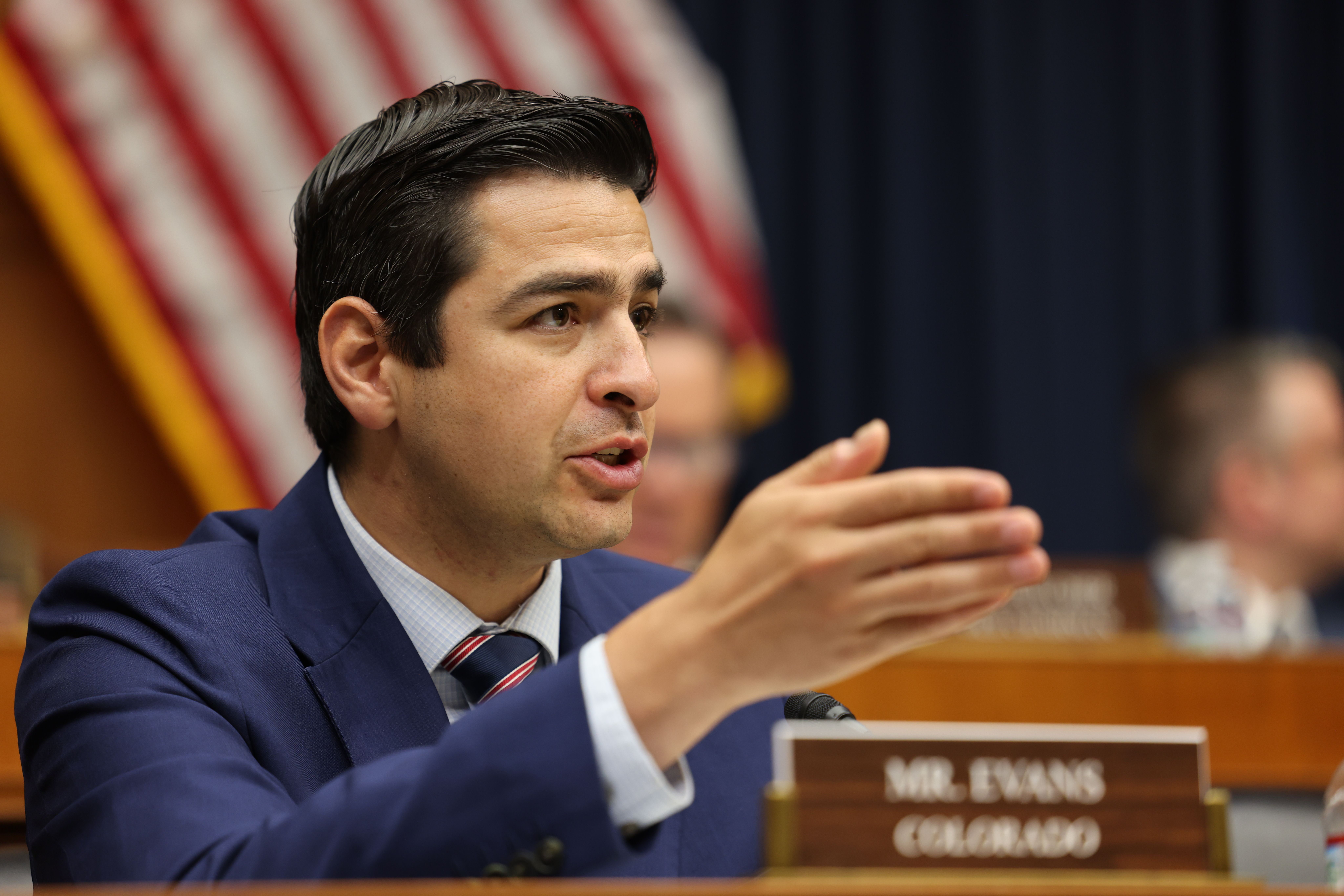
"I rise in support of H.R. 7305 the Energy Threat Analysis Center Act, sponsored by my good friend from Florida Ms. Castor and Mr. Evans of Colorado.
"The bill was reported favorably on a unanimous, bipartisan vote by the Energy and Commerce Committee.
"The United States has one of the most complex energy systems in the world. And those systems are essential for the health and welfare of the public, our economy, and our security.
"Our adversaries know this, and they work persistently to identify and exploit vulnerabilities in our critical energy infrastructure-creating a looming threat few Americans may appreciate.
"We must take action to improve our ability to identify, analyze, and share information about these threats to safeguard our systems, and mitigate risks and impacts.
"The Energy Threat Analysis Center, or ETAC, was established as a DOE pilot program just a few years ago.
"The program convenes energy sector stakeholders and federal government experts to more effectively identify and address the threats to our critical infrastructure, especially those posed by our nation state adversaries.
"Identifying and mitigating threats will become even more urgent as technology advances.
"The ETAC enables grid operators to see threats and our intelligence community and federal experts to better understand system vulnerabilities, improving threat identification.
"H.R. 7305 reauthorizes ETAC for five years and clarifies authorities to enhance collaboration between grid operators, utilities, and the government, including the intelligence community.
"This is a critical operational program to strengthen the collective defense, response, and resilience of our energy sector.
"I urge my colleagues to vote yes on H.R. 7305 and reserve the balance of my time."