News

All Updates


Chairmen Guthrie and Hudson Announce Hearing on Updating Satellite Regulations

WASHINGTON, D.C. – Yesterday, Congressman Brett Guthrie (KY-02), Chairman of the House Committee on Energy and Commerce, and Congressman Richard Hudson (NC-09), Chairman of the Subcommittee on Communications and Technology, announced a hearing titled SAT Streamlining Act: Modernizing Satellite Licensing for the Final Frontier.

“American innovators are at the leading edge of technological advancements that will serve our families and businesses for years to come. Unfortunately, our laws governing satellite technologies often do not reflect our ability and shared goal to continue that progress,” said Chairmen Guthrie and Hudson. “We look forward to a conversation about modernizing our regulations so that bureaucracy and red tape do not prevent another great American century.”

Subcommittee on Communications and Technology hearing titled SAT Streamlining Act: Modernizing Satellite Licensing for the Final Frontier.

WHAT: Subcommittee on Communications and Technology hearing on updating satellite regulations.

DATE: Tuesday, April 21, 2026

TIME: 2:00 PM ET

LOCATION: 2123 Rayburn House Office Building

This hearing will focus on the following bill:

H.R. 8255, the SAT Streamlining Act (Rep. Brett Guthrie)

This notice is at the direction of the Chairman. The hearing will be open to the public and press and will be livestreamed online at energycommerce.house.gov. If you have any questions concerning this hearing, please contact Noah Jackson with the Committee staff at Noah.Jackson@mail.house.gov. If you have any press-related questions, please contact Daniel Kelly at Daniel.Kelly@mail.house.gov.


Apr 15, 2026
Energy

Chairmen Guthrie and Latta Announce Hearing Conducting Oversight of the Nuclear Regulatory Commission

WASHINGTON, D.C. – Today, Congressman Brett Guthrie (KY-02), Chairman of the House Committee on Energy and Commerce, and Congressman Bob Latta (OH-05), Chairman of the Subcommittee on Energy, announced a hearing titled Nuclear Regulatory Commission: Oversight of Activities, Priorities, and Fiscal Year 2027 Budget.

“Nuclear energy plays a critical role in our nation’s energy security, delivering the reliable power generation our families and businesses need and helping to establish our nation as a global leader in energy production.” said Chairmen Guthrie and Latta. “This hearing will provide our members the opportunity to hear firsthand from the Nuclear Regulatory Commission on issues ranging from implementation of the ADVANCE Act and the President's executive orders to the licensing of advanced reactors, as well as the steps the Commission is taking to ensure its regulatory processes are efficient, predictable, and supportive of American energy dominance.”

Subcommittee on Energy hearing titled Nuclear Regulatory Commission: Oversight of Activities, Priorities, and Fiscal Year 2027 Budget

WHAT: Subcommittee on Energy hearing to conduct oversight of the Nuclear Regulatory Commission.

DATE: Wednesday, April 22, 2026

TIME: 10:00 AM ET

LOCATION: 2123 Rayburn House Office Building

This notice is at the direction of the Chairman. The hearing will be open to the public and press and will be live streamed online at energycommerce.house.gov.If you have any questions concerning the hearing, please contact Seth Ricketts with the Committee staff at Seth.Ricketts@mail.house.gov. If you have any press-related questions, please contact Ben Mullany at Ben.Mullany@mail.house.gov.


Apr 15, 2026
Health

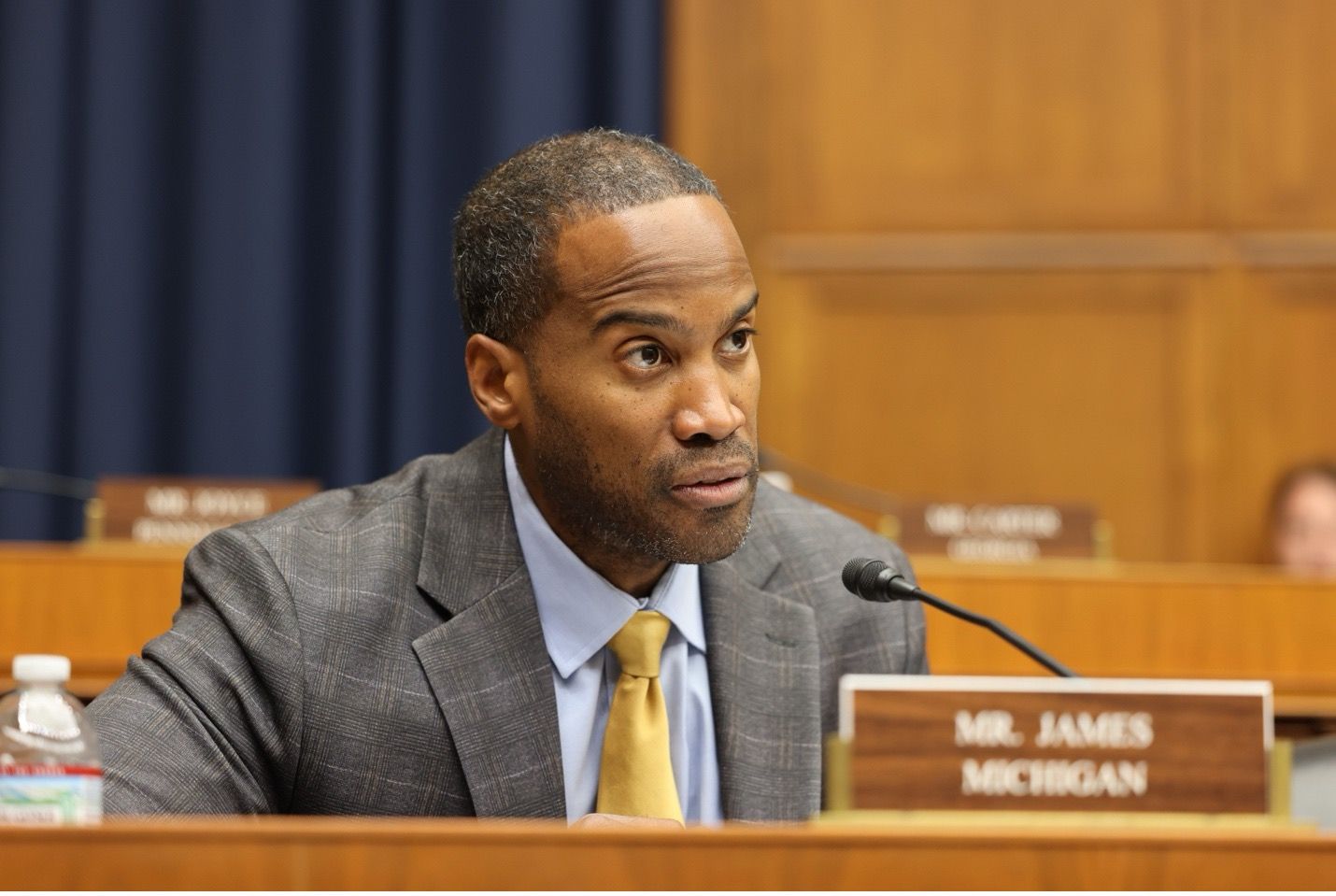
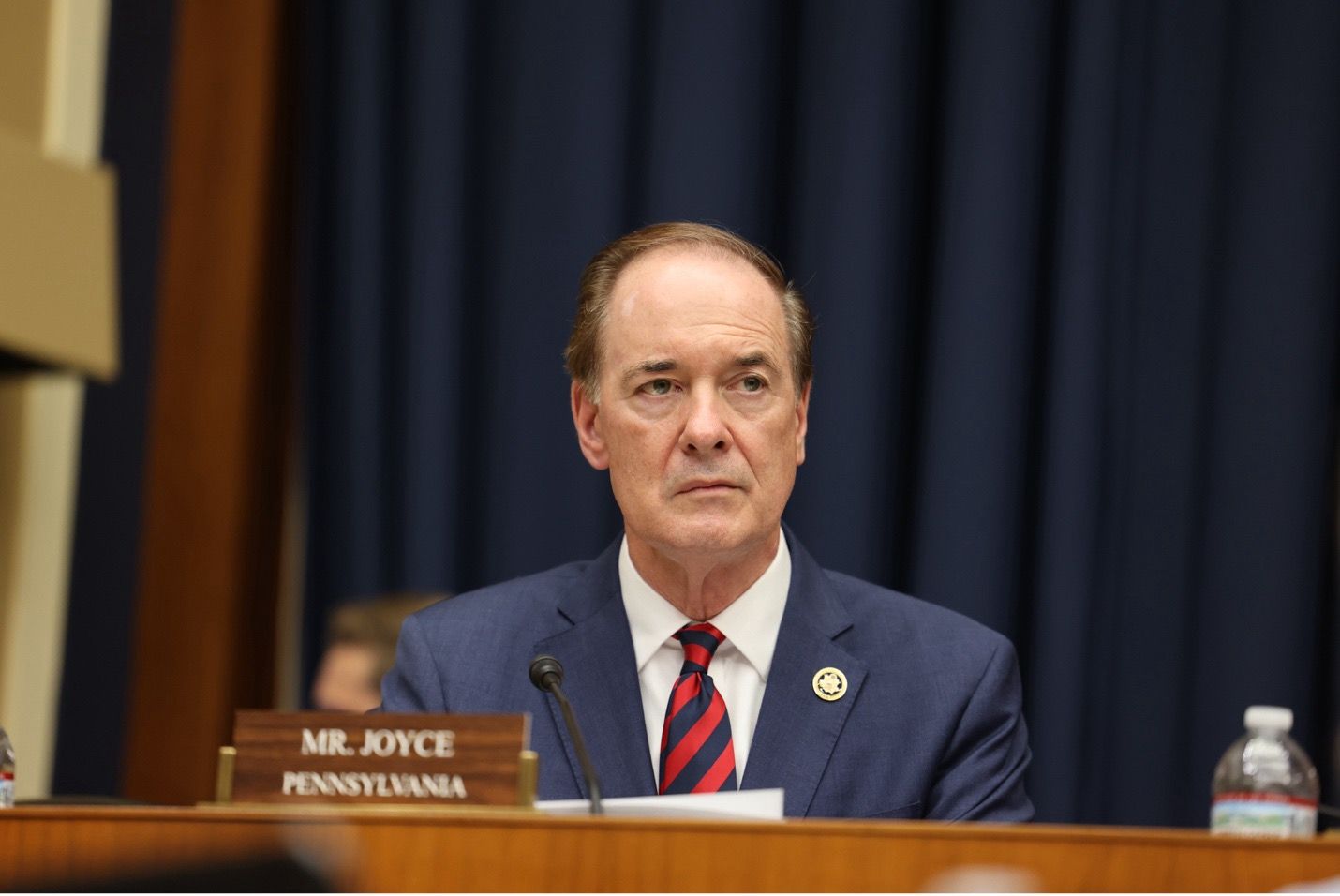
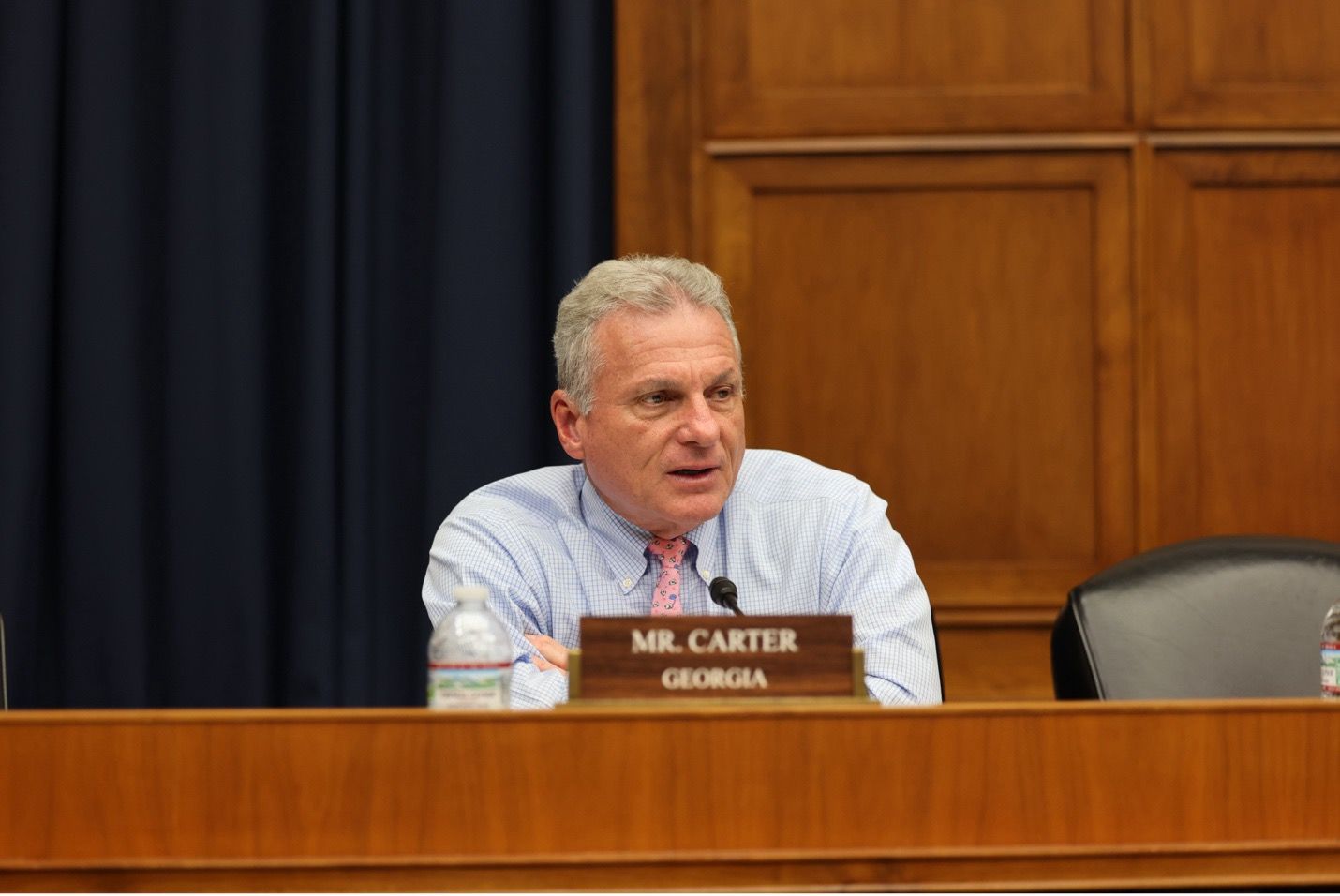
Health Subcommittee Holds Legislative Hearing Exploring Bills that Uplift the Public Health of our Country

WASHINGTON, D.C. – Today, Congressman Morgan Griffith (VA-09), Chairman of the Subcommittee on Health, led a hearing titled Healthier America: Legislative Proposals to Improve Public Health.

“Public health initiatives are essential to improving health outcomes, lowering long-term costs, and moving toward a healthier nation. Today, we discussed ten bills that address the public health and wellness of our country,” said Chairman Griffith. “Investments in initiatives such as disease surveillance, community-based programs, and health education enable more effective responses to both everyday health challenges and emerging threats. By prioritizing prevention, we can help individuals make informed choices and empower them to act sooner. Over time, these efforts also help reduce strain on our health care system by decreasing avoidable hospitalizations and emergency care.”

Watch the full hearing here.

Below are key excerpts from today’s hearing:
Bilirakis.jpg
Congressman Gus Bilirakis (FL-12) on H.R. 8205, the Accelerating Access to Critical Therapies for ALS Reauthorization Act of 2026: “Thank you for being here and sharing your story. It's good to see you. Of course, as you know, my family is personally impacted by neurodegenerative diseases, and I care deeply about these issues. Your testimony notes how investing in ALS research also means investment in Alzheimer's and Parkinson's. In addition to reauthorizing the ACT for ALS, do you have further recommendations for how Congress can promote innovation for these diseases?” Ms. Abrevaya & Mr. Wallach: “Thank you so much for the question and all of your support. I think one of the examples I shared earlier, one of the great outcomes from the first five years of ACT for ALS is that it incentivized therapeutics companies to take a treatment that is working for ALS and to test it on another neurodegenerative disease. I think that's the real opportunity ahead of us in the next 15 years, is really appreciating the scientific link between FTD, Alzheimer's, [and] Huntington's. All neurodegenerative diseases have cellular similarities, have protein dysfunction similarities, and yet I don't think, to date, we're doing enough to leverage what we're discovering for one disease to see if it would work for another.”

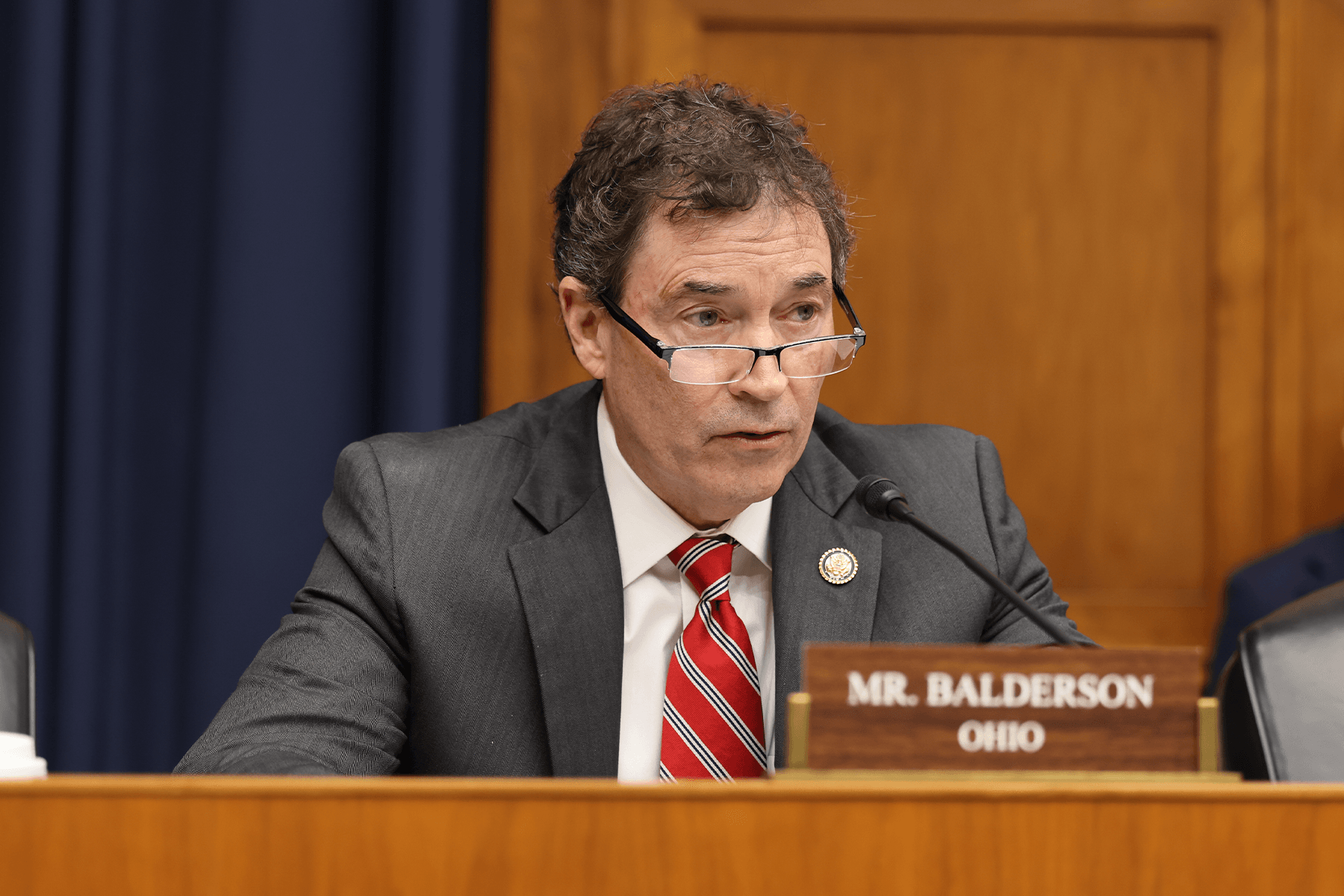
Balderson.jpg
Congressman Troy Balderson (OH-12) on the Digital Health Screeners Act of 2026: “I'm encouraged that this Subcommittee has noticed the discussion draft I'm leading to codify the FDA's updated general wellness guidance. This is a critical first step toward providing the agency with clear direction on how wearable technologies can be used appropriately as screening tools, while maintaining strong safety guardrails. Mr. Quashie, can you discuss more broadly the health benefits wearables can provide to our constituents and follow up with that? And how can they play a role in empowering patients to better track and manage their own health outcomes?” Mr. Quashie: “Thank you for that, Congressman. Chair Griffith actually had a great use case for wearables earlier. He was wearing a device. He provided some data about his own body. He was able to act on that data and went to his clinician to get more information and more services. That is a perfect use case.”

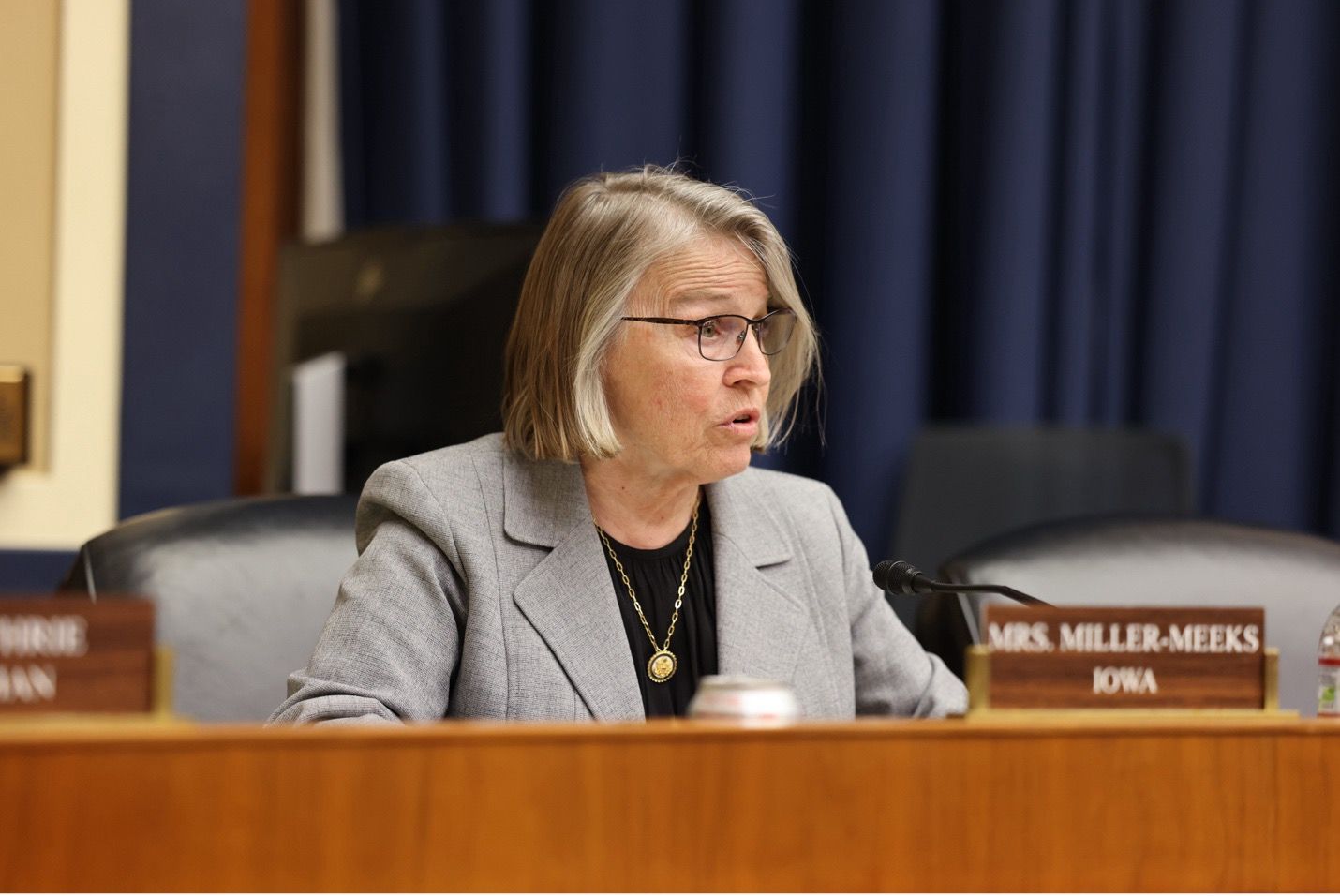
MMM.jpg
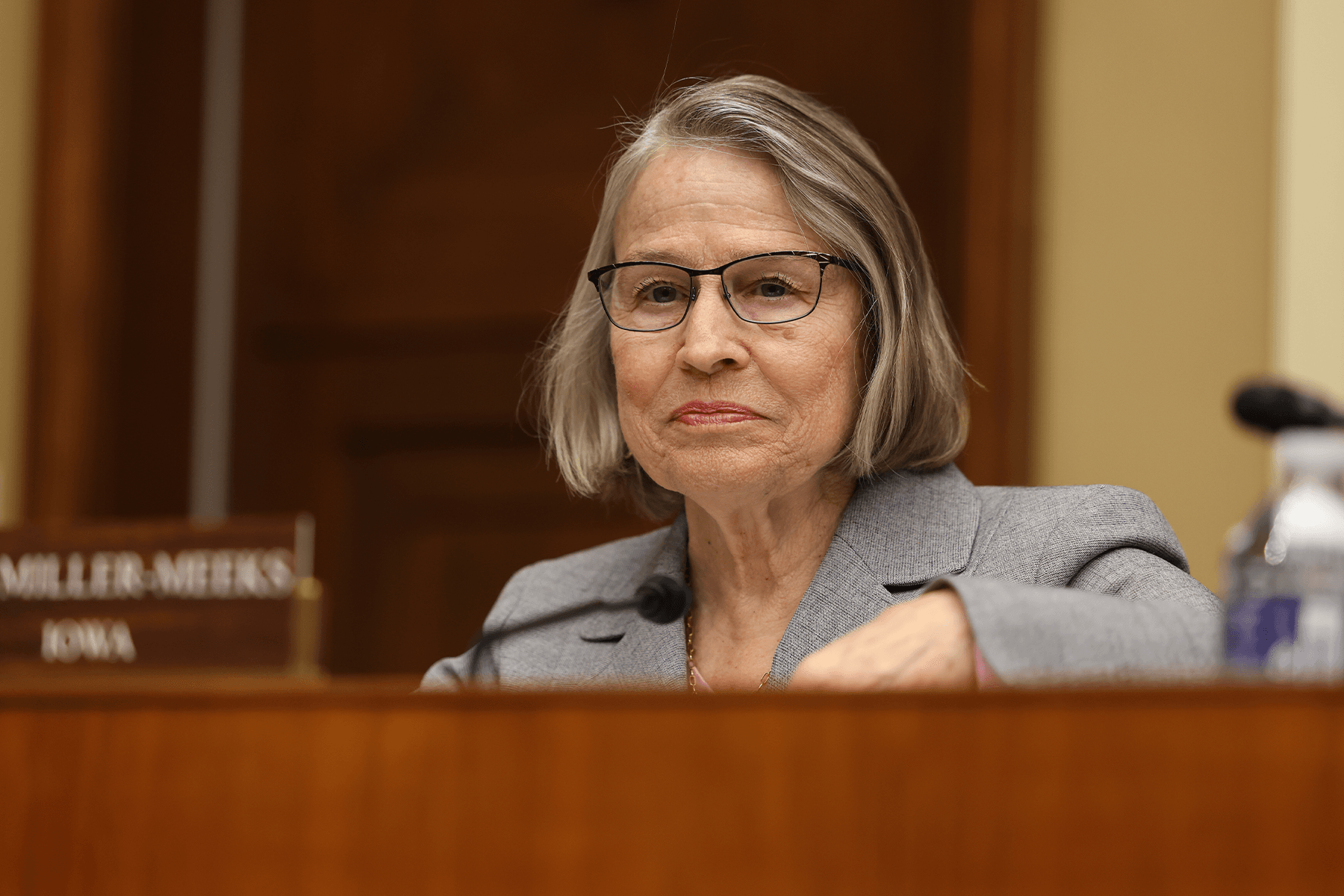
Congresswoman Mariannette Miller-Meeks (IA-01) on H.R. 4541, the EARLY Act Reauthorization of 2025: “This program works because it leverages partnerships between federal agencies, providers, and community-based organizations to deliver education that is both clinically accurate and culturally appropriate. That's especially important when we consider persistent disparities in breast cancer outcomes among minority and rural populations. From an oversight perspective, reauthorization gives this committee the opportunity to ensure that resources are being used efficiently, that outreach is data driven, and that programs are reaching the populations most at risk. We should also be thinking about how efforts like the EARLY Act can better integrate with broader care delivery reforms—whether that's improving care coordination, supporting survivorship planning, or leveraging technology to expand access to information and services. Young women diagnosed with breast cancer often face more aggressive disease and unique challenges, from delayed diagnosis to complex treatment decisions that can impact fertility, employment, and long-term health. Ensuring they have access to timely information and support is not just good medicine, it's smart health policy. The EARLY Act reflects a bipartisan commitment to prevention, patient education, and closing gaps in care.”


Apr 15, 2026
Health

Chairman Griffith Delivers Opening Statement at Subcommittee on Health Legislative Hearing Discussing Solutions to Improve Public Health of Americans

WASHINGTON, D.C. – Congressman Morgan Griffith (VA-09), Chairman of the Subcommittee on Health, delivered the following opening statement at today’s hearing titled Healthier America: Legislative Proposals to Improve Public Health.

Subcommittee Chairman Griffith’s opening statement as prepared for delivery:

“Today we will examine policy proposals to improve public health.

“Public health initiatives are essential to improving health outcomes, lowering long-term costs, and moving toward a healthier nation.

“Investments in initiatives such as disease surveillance, community-based programs, and health education enable more effective responses to both everyday health challenges and emerging threats.

“Early detection saves lives. By prioritizing prevention, we can help individuals make informed choices and empower them to act sooner.

“Over time, these efforts also help reduce strain on our health care system by decreasing avoidable hospitalizations and emergency care.

“Today we will be discussing ten bills that address the public health and wellness of our country.

“One of these bills is H.R. 4348, led by Representative Chris Smith from New Jersey and Representative Doggett of Texas. This bill would reauthorize the Kay Hagan Tick Act, which developed a national strategy to address vector-borne diseases like Lyme disease, improve surveillance, and coordinate federal programs.

“Representative Smith has been a Lyme champion for decades, as New Jersey is one of the states most impacted by the disease.

“The bill is named after Senator Kay Hagan, who passed away from complications of a tick-borne virus.

“Tick-borne illnesses are spreading quickly in our country.

“There are many tick-borne illnesses, and we have only scratched the surface in understanding these diseases that continue to have devastating impacts on our communities.

“Virginia consistently reports some of the highest annual rates of Lyme disease in the United States, with my district of Southwest Virginia having some of the highest rates of Lyme and other tick-borne illnesses.

“Virginia Tech in my district is doing research on of Lyme disease and other tick-borne illnesses in our communities.

“We will also be discussing H.R. 8205, the Accelerating Access to Critical Therapies (ACT) for ALS Act led by Representative Ken Calvert from California and Representative Quigley from Illinois, which would reauthorize the ACT for ALS program that supports initiatives to accelerate research and expand access to investigational treatments for people living with ALS and other neurodegenerative diseases.

“Although progress has been made, there is still no cure for ALS.

“A swimming friend of mine in Roanoke Valley, Rob Lawson, died from his battle with ALS in 2022.

“Former Virginia House of Delegates Republican Raymond R. Robrecht, who was one of my mentors, died from ALS in 1994.

“Eric Dane, best known as Dr. Sloan, also known as 'McSteamy,' in the show Grey’s Anatomy, came to many of our offices last year to advocate for ALS and share his experience. Unfortunately, he lost his battle with the disease earlier this year.

“We hear these heartbreaking stories too often in our communities, as this is regrettably the reality for many who are diagnosed with rare diseases and neurodegenerative diseases.

“I trust reauthorizing this bill can help bring hope to those families afflicted by it.

“Another bill is H.R. 3747, the Accelerating Access to Dementia and Alzheimer’s Provider Training (AADAPT) Act led by Representative Balderson from Ohio and Representative Barragan from California.

“This legislation would reauthorize a program that helps increase access to specialty care services in rural and underserved areas by training clinicians through Project ECHO models, of which there are multiple in Virginia.

“Even though the language of some of the community health center bills are still being negotiated, I would be remiss not to mention their critical role that community health centers play in supporting our nation’s health.

“Many of the other bills we will examine place a strong emphasis on prevention, physical activity and nutrition education, research and innovation, workforce development, and other initiatives to uplift our nation’s public health.

“I am eager to hear from our witnesses about how we can work to improve health outcomes across the country.”


Apr 15, 2026
Environment

Chairman Guthrie Delivers Floor Remarks on Permitting Reform Bills

WASHINGTON, D.C. – Today, Congressman Brett Guthrie (KY-02), Chairman of the House Committee on Energy and Commerce, delivered remarks on the House floor regarding H.R. 6409, the FENCES Act, HR 6398, the RED Tape Act, and HR 6387, the FIRE ACT. Together, these three bills are essential to the work that House Republicans are doing to pass the permitting reform needed to unleash American energy, lower prices, and support domestic manufacturing.

Chairman Guthrie's remarks on permitting reform legislation, as prepared for delivery:

“I rise in support of H.R. 6409, the FENCES Act, HR 6398, the RED Tape Act, and HR 6387, the FIRE ACT.

“These three bills are an essential part of the Committee’s broader efforts on permitting reform and align with White House permitting priorities, which include modernizing the Clean Air Act. A lot has changed since 1990, the last time the Clean Air Act got a substantive overhaul, and some parts of the law have become outdated, contributing to the regulatory gridlock that is stifling American growth and innovation.

“A lot has changed since 1990, the last time the Clean Air Act got a substantive overhaul, and some parts of the law have become outdated, contributing to the regulatory gridlock that is stifling American growth and innovation.

“These bills are foundational to our permitting reform efforts because they illustrate ways we can protect public health and the environment while removing outdated provisions that are slowing energy production and manufacturing, ultimately preventing job creation.

“The Energy and Commerce Committee has held multiple hearings this Congress on the process for establishing and implementing national air quality standards and improving the preconstruction permitting program without sacrificing environmental protections. Some of the most expensive and significant barriers in the permitting process are the result of the law’s outdated provisions.

“What’s worse, these burdensome requirements fail to address the most significant sources of pollution and create disincentives for companies to invest in cost-efficient and effective technology that would actually improve air quality.

“In the U.S. it takes 80% longer to permit projects than elsewhere in the world. America’s outdated permitting system costs manufacturers in the U.S. approximately $7.90 billion each year. While a reasonable level of permitting is of course needed, without common sense reforms, our nation risks falling behind our adversaries like China.

“Notably, over 70% of projects require Clean Air Act permits, which have the most burdensome approval process of any permitting requirement. Notably, over 70% of projects require Clean Air Act permits, which have the most burdensome approval process of any permitting requirement. These three bills remove regulatory uncertainty and bureaucratic hoops that impact what and where job creators build new businesses – but they do not change the underlying environmental protections in the law.

“The FENCES Act, introduced by Congressman Pfluger, ensures that states and local communities are not penalized for foreign air emissions emanating outside of the U.S.

“The FENCES Act clarifies that all foreign emissions, whether natural or man-made, are not considered when determining whether a state meets national air quality standards.

“The FENCES Act protects manufacturers and communities from unnecessary compliance burdens caused by events beyond their control, such as pollution from China or foreign wildfires or dust storms, while upholding environmental standards under the Clean Air Act.

“The RED Tape Act, introduced by Congressman Joyce, eliminates a duplicative environmental review for projects already subject to NEPA environmental review. The duplicative review leads to additional delays and costs in the NEPA process.

“The FIRE Act, introduced by Congressman Gabe Evans and co-led by Congressman Adam Gray, updates the Clean Air Act to address the biggest threat in air pollution this country faces today, wildfires. Bipartisan legislation ensures that states are not punished for prescribed burns or emissions they cannot control.

“Prescribed burns are the most effective tool to decrease the severity of wildfires and public health problems associated with wildfire smoke. Despite the widespread acceptance of the benefits of prescribed burns, they are underutilized across the U.S. due to perverse regulatory burdens under current air quality laws.

“I urge my colleagues to join me in supporting H.R. 6409, the FENCES Act, H.R. 6398 the RED Tape Act, and H.R. 6387 the FIRE Act. These bills provide common-sense solutions and long needed updates to the Clean Air Act.”


Apr 15, 2026

Chairman Bilirakis Delivers Opening Statement at Subcommittee on Commerce, Manufacturing, and Trade Hearing on the Semiconductor Ecosystem and Supply Chain

WASHINGTON, D.C. – Congressman Gus Bilirakis (FL-12), Chairman of the Subcommittee on Commerce, Manufacturing, and Trade, delivered the following opening statement at today’s hearing on the semiconductor ecosystem and supply chain.

**Subcommittee Chairman Bilirakis’s opening statement as prepared for delivery: **

“From consumer devices and household items to AI applications, semiconductors, or chips, are critical components to today’s society and are essential to our national and economic security. Semiconductors come in many forms: logic and memory, leading-edge and legacy—each serving distinct and indispensable functions across the economy.

“For decades the U.S. has dominated the world stage of semiconductors - leading in areas such as global revenue, manufacturing capacity, and semiconductor design, to name a few. But that leadership is no longer guaranteed. American semiconductor manufacturing capacity has declined over 25 percent since 1990. Our adversaries, particularly China, are actively seeking to unseat us from global leadership and disrupt our supply chains.

“Through my work on the Energy and Commerce and the Select Committee on China, I’ve seen firsthand the strengths and strategic vulnerabilities of the U.S. semiconductor ecosystem that defines our strategic competition with China. While the U.S. remains a leader in semiconductor design, China is rapidly scaling its own capabilities, backed by significant state subsidies, and maintains a dominant position in the rare earth materials critical to chip production.

“At the same time, demand for semiconductors is being transformed by artificial intelligence. AI applications, such as use in data centers, are among the most critical use cases of semiconductors in today’s society. AI is the leading use case for semiconductors, and the AI surge is responsible for over half of total semiconductor revenue—potentially reaching 500 billion dollars this year, and 1 trillion dollars by 2030. AI is a critical driver of economic growth—ceding global leadership or leaving our semiconductor supply chains vulnerable to disruption at the hands of China could be catastrophic for U.S. leadership in AI.

“The good news is that we have not ignored these emerging threats. Between Congressional and Executive action, including actions in this Committee, there have been a panoply of actions to strengthen U.S. global semiconductor leadership. This hearing will also examine those solutions and consider what other actions may be needed.”


Apr 15, 2026

What They Are Saying: American Job Creators Are Ready for Permitting Reform

WASHINGTON, D.C. – Congressman Brett Guthrie (KY-02), Chairman of the House Committee on Energy and Commerce, today highlighted widespread support from manufacturers, energy producers, and job creators across the country for the Committee’s work to advance commonsense permitting reform legislation.

This week, the House will vote on H.R. 6398, the Reducing and Eliminating Duplicative Environmental Regulations Act (RED Tape Act); H.R. 6409, the Foreign Emissions and Nonattainment Clarification for Economic Stability Act (FENCES Act); and H.R. 6387, the Fire Improvement and Reforming Exceptional Events Act (FIRE Act), legislation that eliminates an outdated Environmental Protection Agency (EPA) review requirement under Section 309 of the Clean Air Act, protects states from being penalized for foreign emissions they cannot control, and ends a backwards policy that penalizes wildfire prevention.

Don’t miss what American job creators are saying:

Will Hupman, Vice President—Downstream Policy, American Petroleum Institute:

“It’s time to move from gridlock to greenlight. That means requiring air quality standards to be attainable and feasible while modernizing the permitting process to be more timely, efficient, and consistent across federal and state agencies. API supports legislation that will amend the Clean Air Act to require EPA and states to correct monitoring biases, develop and use modern probabilistic modeling tools, and focus regulatory efforts on cost effective emissions sources that states and industries can control.”

Charles Crain, Managing Vice President, Policy, National Association of Manufacturers:

“Manufacturers support responsible and commonsense modernizations to the Clean Air Act as part of comprehensive permitting reform efforts in Congress. In a recent report released by the NAM in partnership with the Foundation for American Innovation, nearly 73% of manufacturers must obtain Clean Air Act permits to proceed with planned projects. Overall, the U.S. manufacturing sector has incurred an average annual permitting burden of at least $7.9 billion. If we want to grow America’s economy, we need to fix this broken system, which involves modernizing the Clean Air Act.”

Chet Thompson, President and CEO, American Fuel & Petrochemical Manufacturers:

“Without congressional action, regulatory hurdles under the CAA will continue to stall project approval needed to expand refinery and petrochemical facility operations. A weakened refining and petrochemical sector would reduce supply, create market scarcity, and ultimately raise costs - undermining affordability for American consumers.”

Rich Nolan, President & CEO of the National Mining Association:

“The mining industry continues to operate under a comprehensive framework of federal and state laws, regulations and policies that govern nearly every inch of a mine site. While the NMA and our members support regulations that foster environmental protection and promote responsible development, we also rely on fair, consistent and predictable permitting processes to enable U.S. mining to be competitive across the economy. These bills support this balance by fostering ongoing air quality improvements while preventing unnecessary burdens that reduce economic growth and tax revenues vital to local communities.”

Neil Bradley, Executive Vice President, Chief Policy Officer, and Head of Strategic Advocacy, U.S. Chamber of Commerce:

“By modernizing permitting and clarifying regulatory requirements, Congress can unlock private investment, accelerate job creation, and enhance national security. Importantly, these reforms will allow us to build the modern infrastructure needed to compete in the global race for innovation—supporting advancements in artificial intelligence, strengthening transportation networks, expanding affordable and reliable energy, and ensuring America remains a leader in technology and economic growth.”

Paul Noe, Vice President Public Policy, American Forest & Paper Association:

“The American Forest & Paper Association supports the House Committee on Energy and Commerce’s recent actions to modernize our air permitting system that is increasingly outdated and overly rigid. Unless addressed, these challenges will essentially block permitting approval for projects that support American manufacturing and family-wage jobs. We believe swift passage of the FENCES Act (H.R. 6409), FIRE Act (H.R. 6387), and the RED Tape Act (H.R. 6398) is a critical opportunity to continue the Committee’s commitment towards smart, streamlined regulations that support American manufacturers.”

Amy Andryszak, President & CEO, Interstate Natural Gas Association of America:

“Together, these needed permitting reforms will ensure that new and upgraded natural gas pipeline infrastructure continues to support a resilient, affordable, and environmentally sustainable energy system for American families and businesses. INGAA and the companies we represent stand ready to enact these proposals and other reasonable, balanced policies to achieve this essential goal.”

Jackson Morrill, President and CEO, American Wood Council:

“The American Wood Council (AWC) expresses support and appreciation for the House of Representatives efforts to address some the mounting permitting challenges facing American businesses such as the wood products industry under increasingly stringent air quality standards. Unless addressed, these challenges will essentially block permitting approval for projects critical to economic growth and more efficient manufacturing infrastructure.”

Kevin M. Dempsey, President and Chief Executive Officer, American Iron and Steel Institute:

“The American steel industry leads the world in clean and energy-efficient steel production, making steel with lower CO2 emissions intensity than the other major steel-producing countries. However, certain aspects of the CAA can result in the Environmental Protection Agency (EPA) placing complex air regulatory requirements on industrial facilities that constrain important investments in American facilities while providing limited benefits to human health or the environment. These constraints can lead to the offshoring of valuable jobs to countries with lax environmental regulations. This result benefits no one as American jobs are lost, and global net pollution is increased. AISI believes the CAA requires updating to reduce the complexity and burden associated with CAA permitting, so that companies can make investments and create good-paying jobs while maintaining the highest level of environmental performance.”


Apr 14, 2026
Health

Chairmen Guthrie and Griffith Announce Hearing on Department of Health and Human Services FY 2027 Budget

WASHINGTON, D.C. – Today, Congressman Brett Guthrie (KY-02), Chairman of the House Committee on Energy and Commerce, and Congressman Morgan Griffith (VA-09), Chairman of the Subcommittee on Health, announced a hearing titled The Fiscal Year 2027 Department of Health and Human Services Budget.

“This Congress, Republicans have upheld our commitment to improving the American health care system—whether it be through examining the root causes impacting health care affordability or our extensive work to root out waste, fraud, and abuse in government health programs to ensure they can continue to serve our most vulnerable populations for generations to come. In fact, this week, the Subcommittee is holding a hearing to explore legislation that expands access to care across the nation and broadly promotes the health and well-being of Americans,” said Chairmen Guthrie and Griffith. “Next week’s hearing allows us to hear from Secretary Kennedy on his efforts to support a healthier America under President Trump and discuss areas where we can continue collaborating to lower health care costs, protect American patients, and ultimately, make America healthy again.”

Subcommittee on Health hearing titled The Fiscal Year 2027 Department of Health and Human Services Budget.

WHAT: Subcommittee on Health hearing to discuss the Department of Health and Human Services FY 2027 Budget.

DATE: Tuesday, April 21, 2026

TIME: 10:00 AM ET

LOCATION: 2123 Rayburn House Office Building

This notice is at the direction of the Chairman. The hearing will be open to the public and press and will be livestreamed online at energycommerce.house.gov. If you have any questions concerning this hearing, please contact Annabelle Huffman with the Committee staff at Annabelle.Huffman@mail.house.gov. If you have any press-related questions, please contact Katie West at Katie.West@mail.house.gov.


Apr 14, 2026
Environment

Chairman Palmer Delivers Opening Statement at Rules Committee Hearing on Permitting Reform Legislation

WASHINGTON, D.C. – Congressman Gary Palmer (AL-06), Chairman of the Subcommittee on Environment, delivered the following opening statement at today’s Rules Committee hearing on three permitting reform bills H.R. 6398, the Reducing and Eliminating Duplicative Environmental Regulations Act (RED Tape Act); H.R. 6409, the Foreign Emissions and Nonattainment Clarification for Economic Stability Act (FENCES Act); and H.R. 6387, the Fire Improvement and Reforming Exceptional Events Act (FIRE Act).

Subcommittee Chairman Palmer’s opening statement as prepared for delivery:

“Thank you, Chairwoman Foxx, Ranking Member McGovern, and members of the Rules Committee, for the opportunity to testify before you today.

“I am pleased to speak in support of three pieces of legislation: H.R. 6409, the FENCES Act, H.R. 6398, the RED Tape Act, and H.R. 6387, the FIRE Act. All three bills are an important part of Energy & Commerce’s permitting reform efforts.

“H.R. 6409 the FENCES Act, introduced by my colleague Congressman August Pfluger of Texas, ensures that states and local communities are not penalized for foreign air emissions emanating from outside the U.S.

“States across the country are being unfairly penalized for pollution that originates beyond U.S. borders, including air emissions from natural events like the Canadian wildfires. Currently, the Clean Air Act allows states to adjust their plans when foreign emissions prevent them from meeting federal standards. However, guidance from the EPA under the previous administrations narrowed the relief, limiting it to only human-caused emissions from abroad.

“This bill clarifies that all foreign emissions, whether natural or man-made, are excluded from consideration when determining whether a state meets national air quality standards. Importantly, the bill allows states to account for foreign emissions earlier in the regulatory process, instead of forcing them to wait until the very end and risk costly delays or federal sanctions.

“H.R. 6398, introduced by my friend, Congressman John Joyce of Pennsylvania, eliminates the duplicative requirement in the Clean Air Act that requires EPA to assess and provide feedback on environmental impact statements other agencies prepare under NEPA.

“An action agency preparing an environmental impact statement under NEPA already possesses the expertise and resources necessary to assess the environmental impacts. EPA is often already involved in the NEPA review process as a cooperating agency, and requiring them to provide a secondary review under section 309 is unnecessary, duplicative, and inefficient. This duplicative review leads to increased delays and expenses in the NEPA process.

“This legislation is an important step to streamline permitting and it removes burdensome inefficacies in the current NEPA process.

“H.R. 6387, introduced by Congressman Gabe Evans of Colorado and co-led by Congressman Adam Gray of California, amends the Clean Air Act to ensure that states are not penalized for wildfire mitigation measures, like prescribed burns and brush clearing. States currently limit these practices for fear of falling out of attainment or due to the costly and lengthy exceptional events process.

“The FIRE Act ensures that states are not penalized for wildfire mitigation measures. It provides clarity and predictability for air quality planning, reduces unnecessary regulatory burdens on manufacturers and communities, and rewards proactive wildfire mitigation measures.

“Prescribed fires or controlled burns are the most effective way to decrease both the severity of wildfires and the public health problems associated with the smoke they produce.

“These bills are an essential component of the Committee’s permitting reform efforts. The Clean Air Act is overdue for an update, outdated provisions are holding back American manufacturing. These three bills deliver permitting reform to remove those barriers, boost domestic production, unleash American energy, and lower costs for hardworking Americans.

“I urge all of my colleagues to join me in supporting H.R. 6409, H.R. 6398, and H.R. 6387. Thank you, and I yield.”