Environment Subcommittee Holds Hearing on Critical Material Supply Chains
WASHINGTON, D.C. – Yesterday, Congressman Gary Palmer (AL-06), Chairman of the Subcommittee on Environment, led a hearing titled Help or Hindrance? The Impact of U.S. Environmental Laws on Critical Material Supply Chains, National Security, and Economic Growth.
“Our country has a rich bounty of natural resources and, for most of the 20th Century, the United States was the leader in producing and refining critical minerals,” said Chairman Palmer. “However, in the past several decades, China has aggressively sought to dominate the global market for critical minerals – with dire consequences for our national security."
Watch the full hearing here.
Below are key excerpts from yesterday’s hearing:
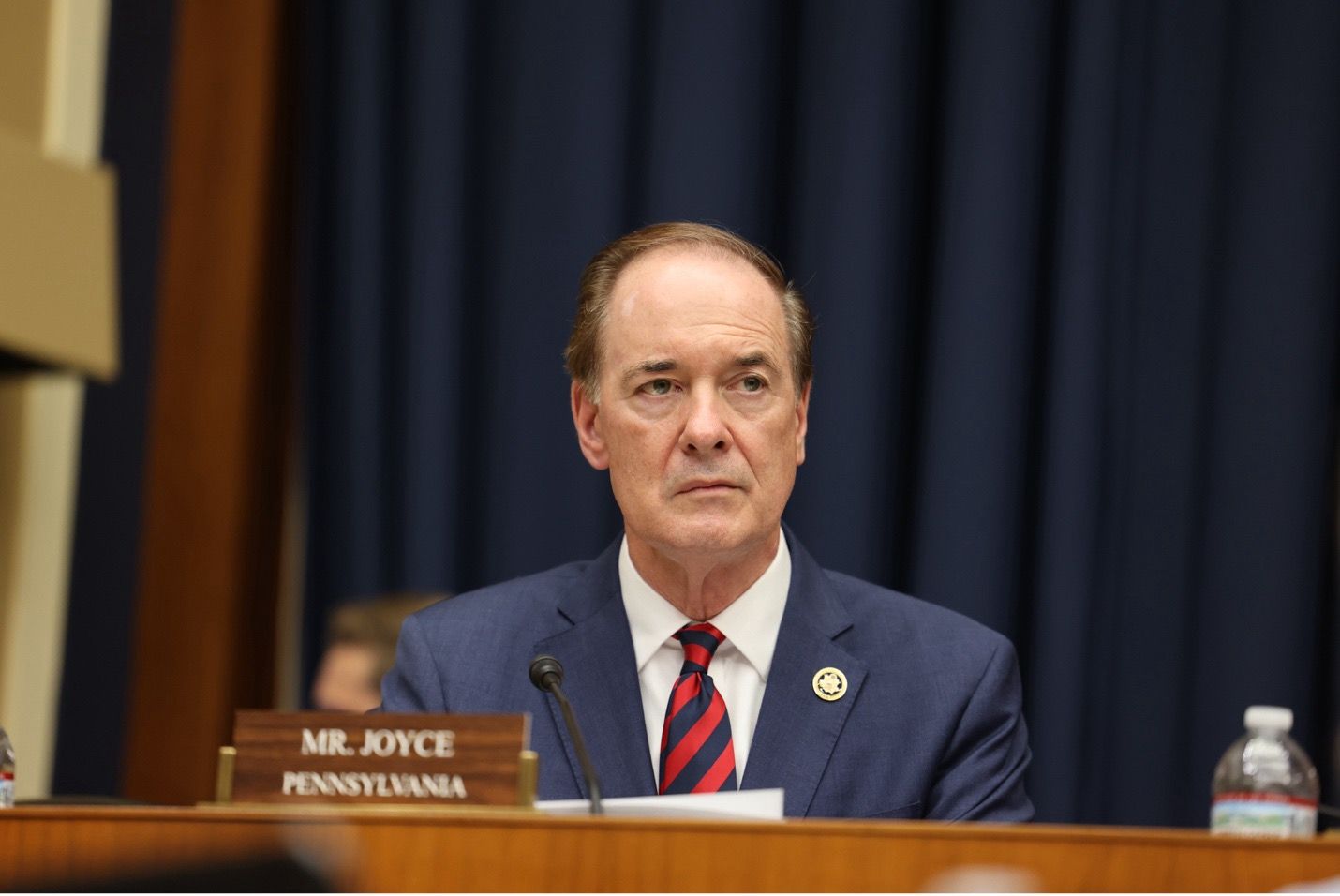
Congressman John Joyce, M.D. (PA-13): “Securing domestic critical material supply chains has been a key focus for both the Trump Administration and this committee. This is not an abstract concern. China currently controls the global critical minerals market and has already shown a willingness to place export controls on materials that are needed in national defense and in manufacturing sectors. Not only are we not significantly mining or processing these minerals domestically, but our current regulatory schemes are also making it harder to recycle the materials that we have already imported and could potentially reuse. Instead of crafting regulations to keep these materials in circulation domestically, the current framework often pushes the recovery of these materials right out of the country, only to be sold back to the United States again. Failing to update our regulations to address this issue has both economic and national security ramifications. We need to work toward a regulatory scheme that acknowledges the reality of how important certain materials and chemistries are to U.S. interests.”
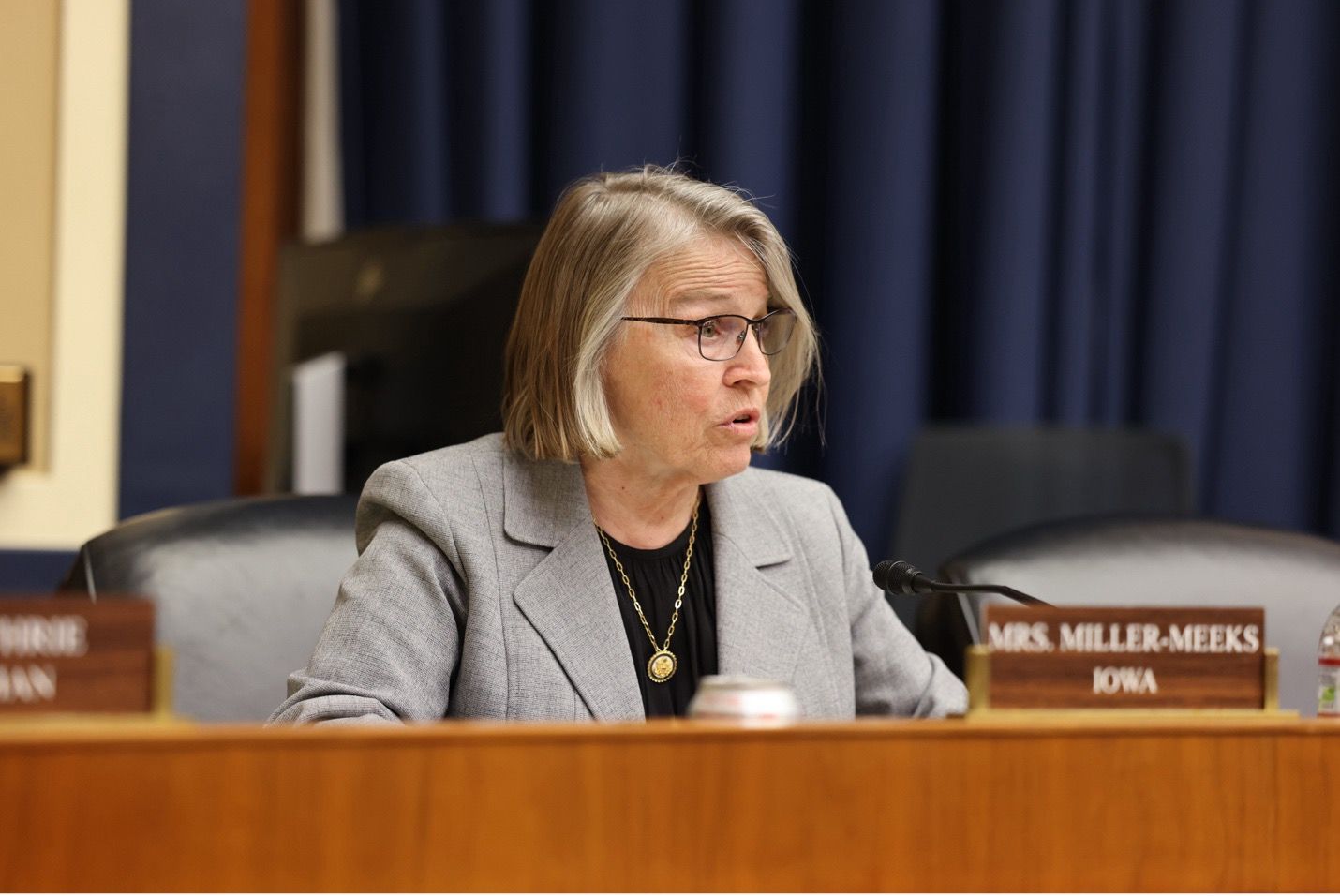
Congresswoman Mariannette Miller-Meeks (IA-01): “The United States certainly finds itself in a perilous position when it comes to critical minerals supply chains, which have nothing to do with this Administration. China has pursued a long-term strategy for dominance across the entire supply chain, from mining to processing to manufacturing. While we were slow in the United States to respond, that began to change during the Trump Administration, which directed the federal government to develop a strategy for securing reliable mineral supplies. Congress built on that foundation through the Energy Act of 2020, and today the federal critical minerals list stands at 50 commodities, with more than ten added just this past year. We have made promising progress identifying the problem. Now we need solutions.
“One area where I've focused my efforts is building a stronger secondary market. My bill, the Recycling Infrastructure and Accessibility Act, establishes an EPA pilot program to expand collection and recycling capabilities, including in rural communities. And in one of my first terms in Congress, I was able to navigate a bill through that required the DOD — or now Department of War — to send its hard drives, scrubbed and cleaned, to the Ames National Laboratory in Ames, Iowa, to have the critical minerals, elements, and magnets removed in a safe process, and that is now ongoing. So the goal is simple: collect more, recycle more, and feed those materials back into domestic refining and processing rather than sending them overseas.”
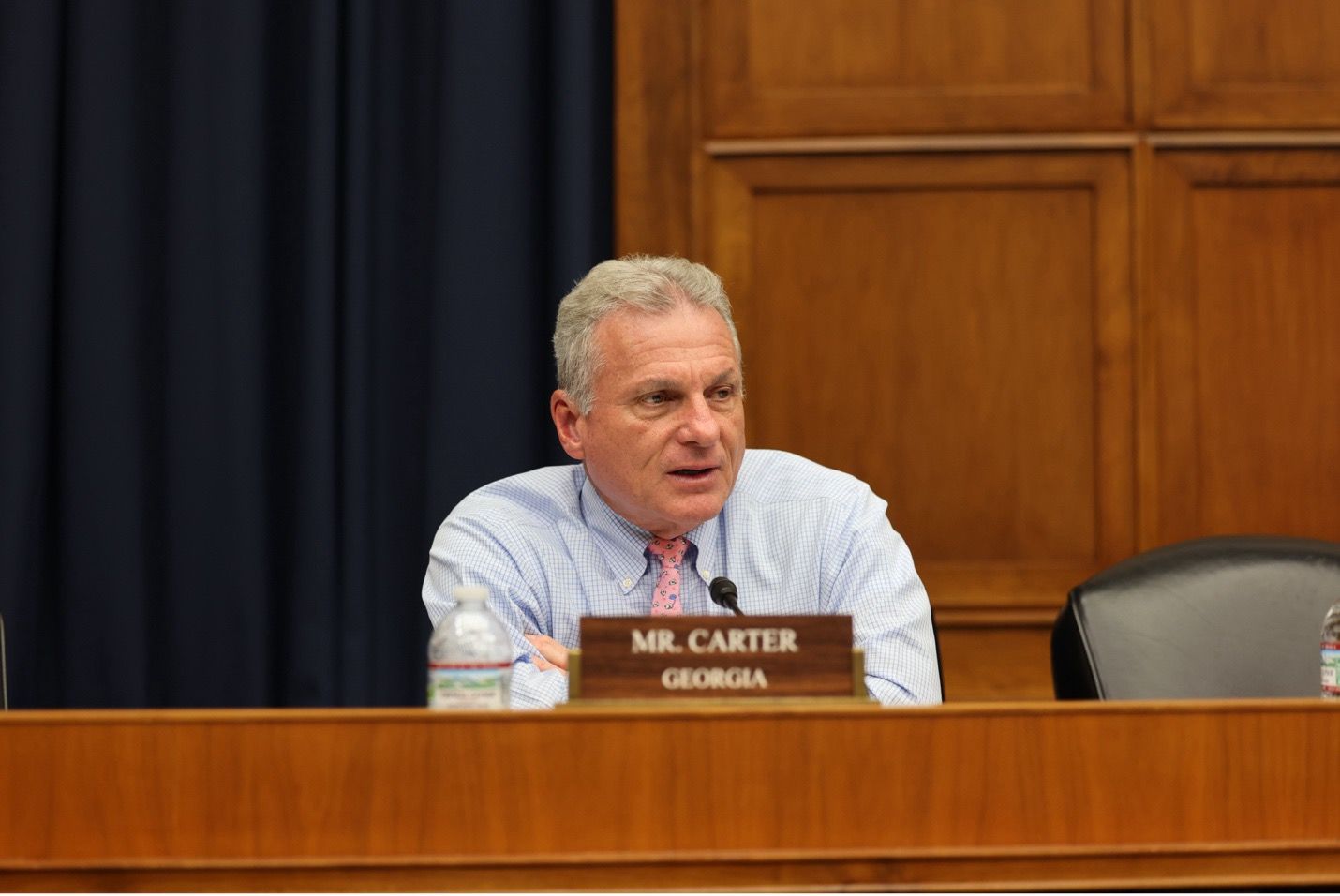
Congressman Buddy Carter (GA-01): “China is dominating rare earth minerals — rare earth elements like graphite, lithium, cobalt, and copper. We all know that, and we all understand how important it is for us to be competitive there. However, to develop the domestic capacity to process and refine critical minerals, we need a more efficient permitting process. And that is why I have introduced H.R. 3059, the Streamlining Critical Mineral Permitting Act. It actually passed the House as part of the Lower Energy Costs Act last Congress, and is still pending again this Congress. It will allow processors and refiners of critical energy resources to operate under an interim permit under the Resource Conservation and Recovery Act.”