News

All Updates


Mar 18, 2026
Press Release

Chairman Griffith Delivers Opening Statement at Subcommittee on Health Third Hearing in Series to Improve Health Care Affordability for All Americans

WASHINGTON, D.C.  – Congressman Morgan Griffith (VA-09), Chairman of the Subcommittee on Health, delivered the following opening statement at today’s hearing titled  Lowering Health Care Costs for All Americans: An Examination of the U.S. Provider Landscape . Subcommittee Chairman Griffith’s opening statement as prepared for delivery: “Today we will discuss health care costs and patient access challenges by examining the health care provider landscape.   “This is the third hearing in the Committee’s health affordability series following hearings with health insurance executives back in January and stakeholders from the prescription drug supply chain last month.    “The United States provider landscape includes a wide range of entities and organizations that deliver services to patients.   “Hospitals and large health systems provide acute and specialized care. However, we have also seen these entities expand into outpatient service delivery.   “Independent physician practices and group practices deliver much of the primary and outpatient services that patients rely on every day.   “Although they are not before us in this hearing, I also want to recognize the critical role that federally qualified health centers, rural health clinics, and community hospitals play in our health system, especially in our most rural and underserved areas.   “It is no secret that across the country patients are faced with fewer choices about where they can receive care, as the provider market has consolidated dramatically.    “Hospitals are acquiring physician practices, systems are merging, and too often, patients have little options among providers.     “In many cases, the states that see the most consolidation have the largest rural populations—exacerbating access challenges, leaving communities strained, and contributing to overall unaffordability.   “On top of vertical integration limiting the viability of independent practices, the so-called Affordable Care Act has enabled the landscape to become even more narrow.   “In fact, because of the Affordable Care Act, any existing physician-owned hospital built before 2010 is prohibited from growing beyond the size it was when the bill became law. How does that make sense?   “As a result, many patients face limited provider options in their communities and may encounter higher prices with little insight into the cost of health services.   “At the same time, transparency amongst the health care provider system remains insufficient.   “Prices can vary widely for the same service depending on where care is delivered, and billing statements may include facility fees, multiple providers, and negotiated rates that are difficult for patients to understand.    “Additionally, programs such as the 340B Drug Pricing Program have become opaque and some hospitals have gone against the true intent of the program.    “The 340B Program was created with the intention of helping safety-net providers care for low-income and vulnerable patients; however, as hospitals and larger entities participate and expand affiliated contract pharmacies, visibility has become limited into how the program’s generated discounts are used and whether those savings are reaching patients.   “In many cases, the result of this system is that Americans are left navigating complex, and often expensive, medical bills—whether from a hospital visit or routine appointment—that they did not anticipate, cannot easily afford, and sometimes only learn about weeks or months after receiving care.   “When provider markets lack competition and transparency, prices can rise without patients having the information needed to make cost-conscious decisions.   “Today we will hear from different organizations that represent health care providers across a variety of settings, so that we can look for ways to try and make delivering and receiving care more affordable.    “We have the American Hospital Association in front of us who represents many types of hospitals and health care networks.   “We will also hear from the American Medical Association who represents physicians across the country.   “The American Academy of Family Physicians is here to give the perspective of family medicine practitioners.    “We also have the Purchaser Business Group on Health before us to provide insights into the relationship between private employers and public purchasers.   “We also have a neurosurgeon from the University of California San Francisco to give the perspective of specialty doctors and the care they provide to patients.    “Lastly, we have Barbara Merrill from the American Network of Community Options and Resources.   “These witnesses have unique insights into the factors that are currently leading to the high costs patients are facing when receiving care, and I am looking forward to the discussion.”   ###


Mar 18, 2026
Press Release

Chairman Hudson Delivers Opening Statement at Subcommittee on Communications and Technology Hearing on the 2027 World Radiocommunication Conference

WASHINGTON, D.C.  – Congressman Richard Hudson (NC-09), Chairman of the Subcommittee on Communications and Technology, delivered the following opening statement at today’s hearing titled Securing U.S. Leadership of Communications Technology . Subcommittee Chairman Hudson’s opening statement as prepared for delivery:  “Good afternoon, and welcome to today’s bipartisan subcommittee hearing examining strategies for the U.S. to lead the future of communications technology.    “This subcommittee has jurisdiction over the National Telecommunications and Information Administration (NTIA) and the Federal Communications Commission (FCC). Both are integral to our nation’s spectrum management policies. The FCC also plays a critical role in overseeing the communications industry. In addition to these domestic agencies, there are also international treaties, meetings, and bodies that help establish global rules that govern these services.  “The International Telecommunication Union (ITU) is the United Nations’ agency responsible for international coordination of communications services. The ITU manages a global table of spectrum allocations reflecting international agreement on identified uses of spectrum frequencies across the world. The ITU also allocates satellite orbits.  “The ITU meets every four years to set its strategy for the next four and hold elections for the organization’s five top officials, the 48-seat Council membership, and 12 Radio Regulations Board members. The ITU also holds the World Radiocommunication Conference every four years to review and update international treaties governing spectrum and satellite orbits.   “WRC-27 is expected to cover a variety of topics, including discussions to identify additional spectrum bands for International Mobile Telecommunications (IMT) service.   “WRC-27 will also feature a number of important agenda items related to the satellite services. The satellite industry has been in a period of robust growth and innovation over the last decade—with the U.S. companies leading much of the world in those developments. Satellite technology plays an increasingly important role in our communications infrastructure, including broadband and other critical services. Satellite communications services have also been transformational for our first responders. In my home state of North Carolina when Hurricane Helene devastated terrestrial-based infrastructure, satellite was able to bridge the gap and keep first responders connected. Demand for these services has resulted in the deployment of thousands of new satellites.   “Satellite-based services are a global enterprise, and these deployments require close coordination with the ITU and other countries.   “Our nation is the world’s economic powerhouse, and we lead the world in innovation. The United States is home to the world’s best technology companies. These companies have led in the creation of new devices and services that we all rely on every day. On our committee, we are working to ensure we continue to lead in new technologies of tomorrow.   “China wants to surpass the U.S. as the global technology leader. Under the rule of the Chinese Communist Party (CCP), China has subsidized and stolen technology across a wide range of industries, including communications technologies. CCP-affiliated companies like Huawei (Waah-way) have exported communications equipment around the world, giving support to the CCP’s espionage activities.   “The CCP also seeks to sideline the United States in international telecommunication and technology standards bodies. If successful, our allies and partners around the world may increasingly turn to CCP-linked entities for telecommunications and satellite solutions, and digital services. This is bad for American businesses, bad for Americans who rely on these devices and services in their daily lives, and ultimately undermines our economic and national security.   “The CCP notched another win in this column last year when the ITU announced it would hold the 2027 World Radiocommunications Conference (WRC-27) in Shanghai, China. As the host country, China will serve as chair of the conference, allowing the CCP to steer these critical discussions.   “Given this, the U.S. should be an active participant in all upcoming ITU engagements. As I mentioned, WRC-27 will consider a number of agenda items related to communications services, including spectrum allocations. Key decisions will be made at these meetings to establish technical rules for communications technologies.   “I look forward to hearing from the witnesses today about what is at stake in these upcoming engagements and what success looks like for the United States.” ###


Mar 17, 2026
Press Release

Subcommittee on Energy Holds Hearing on the Lessons Learned from Winter Storm Fern

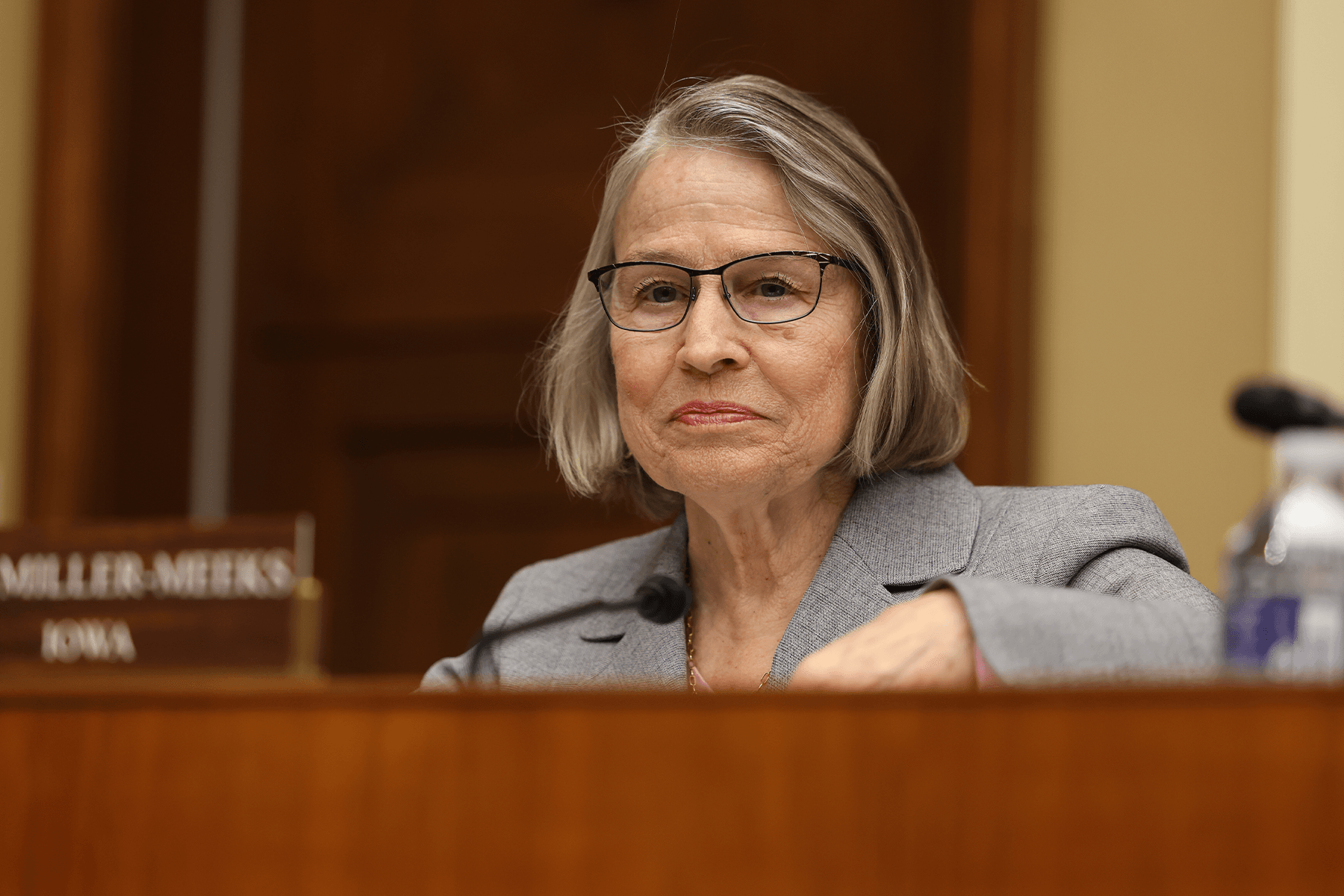
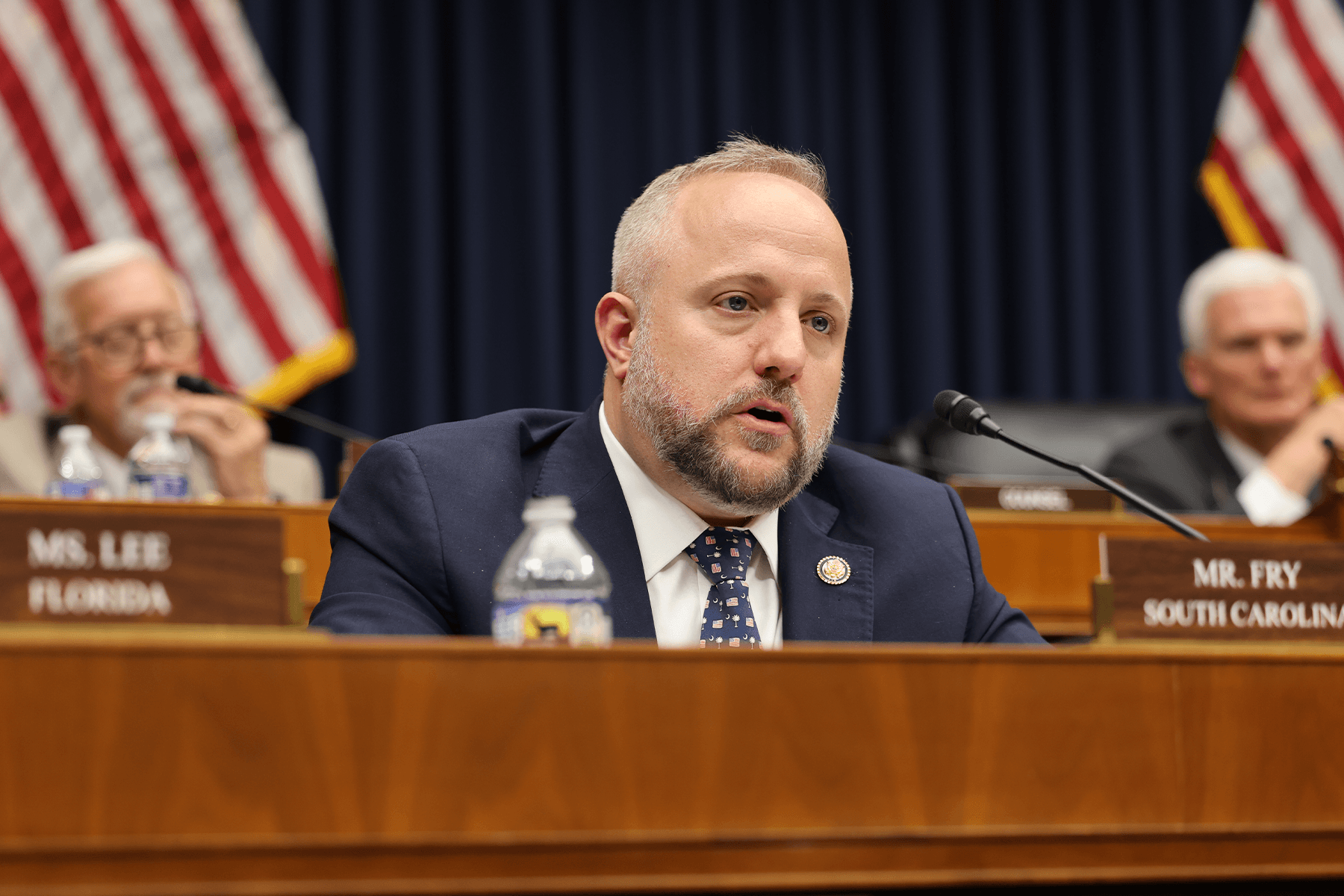
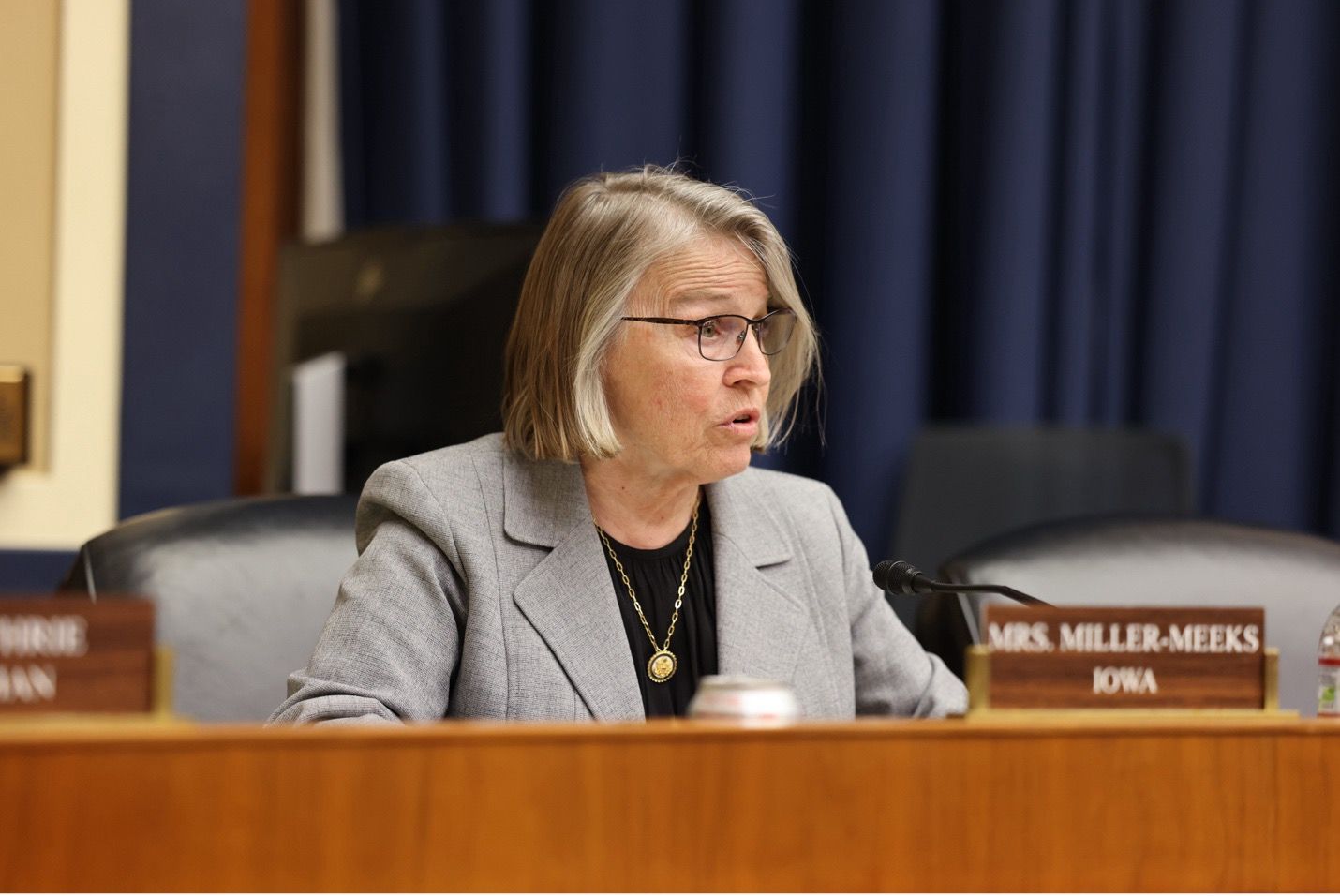
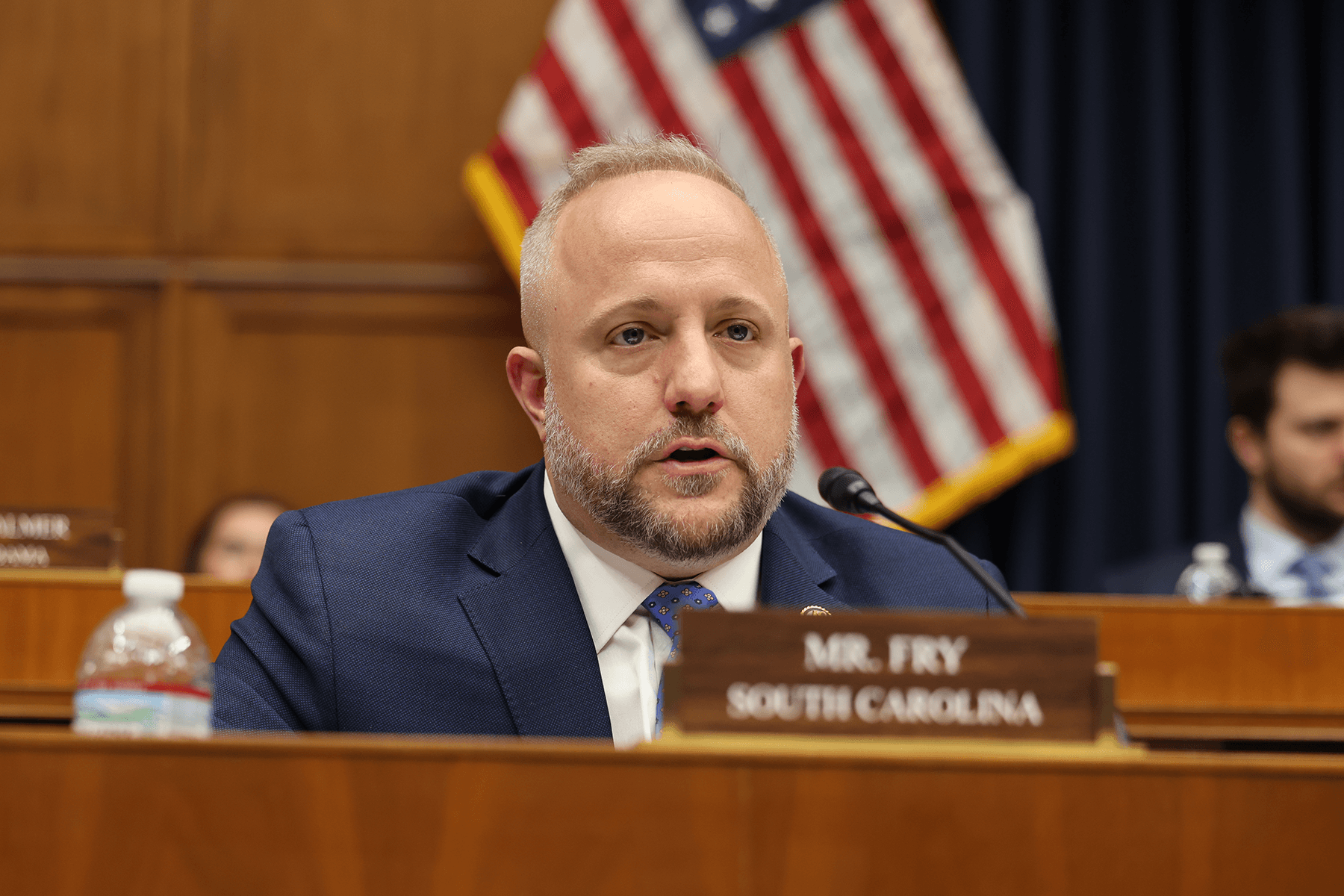
WASHINGTON, D.C. – Today, Congressman Bob Latta (OH-05), Chairman of the Subcommittee on Energy, led a hearing titled,  Winter Storm Fern Lessons: Supplying Reliable Power to Meet Peak Demand.   “In spite of generous subsidies and favorable public policy choices, intermittent resources were nowhere to be found when New England needed power the most. Because limited gas pipeline capacity in the New England region restricts supply and raises prices, power plants had to opt for more expensive and less efficient fuel oil,”  said Chairman Latta.  “The lessons of Winter Storm Fern should illustrate that common sense must rule the day. American energy dominance and independence must be achieved so we can keep our communities safe at home.” Watch the full hearing  here . Below are key excerpts from today’s hearing: Congresswoman Mariannette Miller-Meeks (IA-01):  “The lesson from Winter Storm Fern is that we’re asking more of the grid in every region and increasingly relying on emergency tools and extraordinary coordination to navigate conditions that are becoming more common, not rarer. At the same time, we’ve layered on emergency orders, special directives, and broad must-run orders that, in some regions, effectively over-procure generation and crash prices. Those tools helped us through Fern, but they’re not a sustainable business model for a grid that’s about to serve even larger loads. Data centers, advanced manufacturing, and electrification across many levels of our economy are driving demand up quickly. Yet building the infrastructure to serve that demand, modern gas plants, nuclear, storage, new pipelines, transmission lines, or any renewable source, which Iowa does have, takes years longer than it should. Not because the technology is unproven, but because our permitting pathways are slow, fragmented, and unpredictable.” Congressman Russell Fry (SC-07):  “Reliable energy is essential to every aspect of our modern life, especially to public health and welfare. Yet power outages cost the American people $44 billion each year. Winter Storm Fern highlighted the importance of grid reliability, leaving more than one million customers without power at its peak, including 70,000 in my home state of South Carolina. These disruptions make it clear that reliability must remain a top priority, particularly during severe weather events that place extraordinary strain on the electric system. Fern also demonstrated the critical importance of dispatchable energy sources. Peak coal generation rose by 25%, and peak natural gas generation rose by 47%. Across all impacted regions, dispatchable energy significantly outperformed wind and solar generation. The grid’s performance during severe weather depends not only on these baseload and dispatchable resources, but also on real-time coordination among grid operators, generators, transmission owners, marketers, and other market participants. Analyzing how the bulk power system performs during these events is essential to strengthening reliability and ensuring the continued delivery of electric power that Americans depend on every day.” Congresswoman Julie Fedorchak (ND-AL):  “I agree with you — it should be bipartisan. Mr. Robb, how are premature retirements of baseload resources such as natural gas and coal making matters worse when we have increased demand?”  Mr. Robb:  “Thanks for the question. It makes matters worse in a number of different ways. When you lose the energy production associated with those facilities—and we saw in Winter Storm Yuri that a number of facilities operating under 202(c) orders did perform and were required to keep the lights on—there’s no question about that. The second thing is that those facilities create the special sauce that keeps the grid operating. They create frequency, they create voltage, and they create the ability to control those within very tight parameters, which is what allows the high-voltage transmission system to operate. Without that kind of generation, we don’t have the ability to operate a transmission system of the scale that we have.” ###


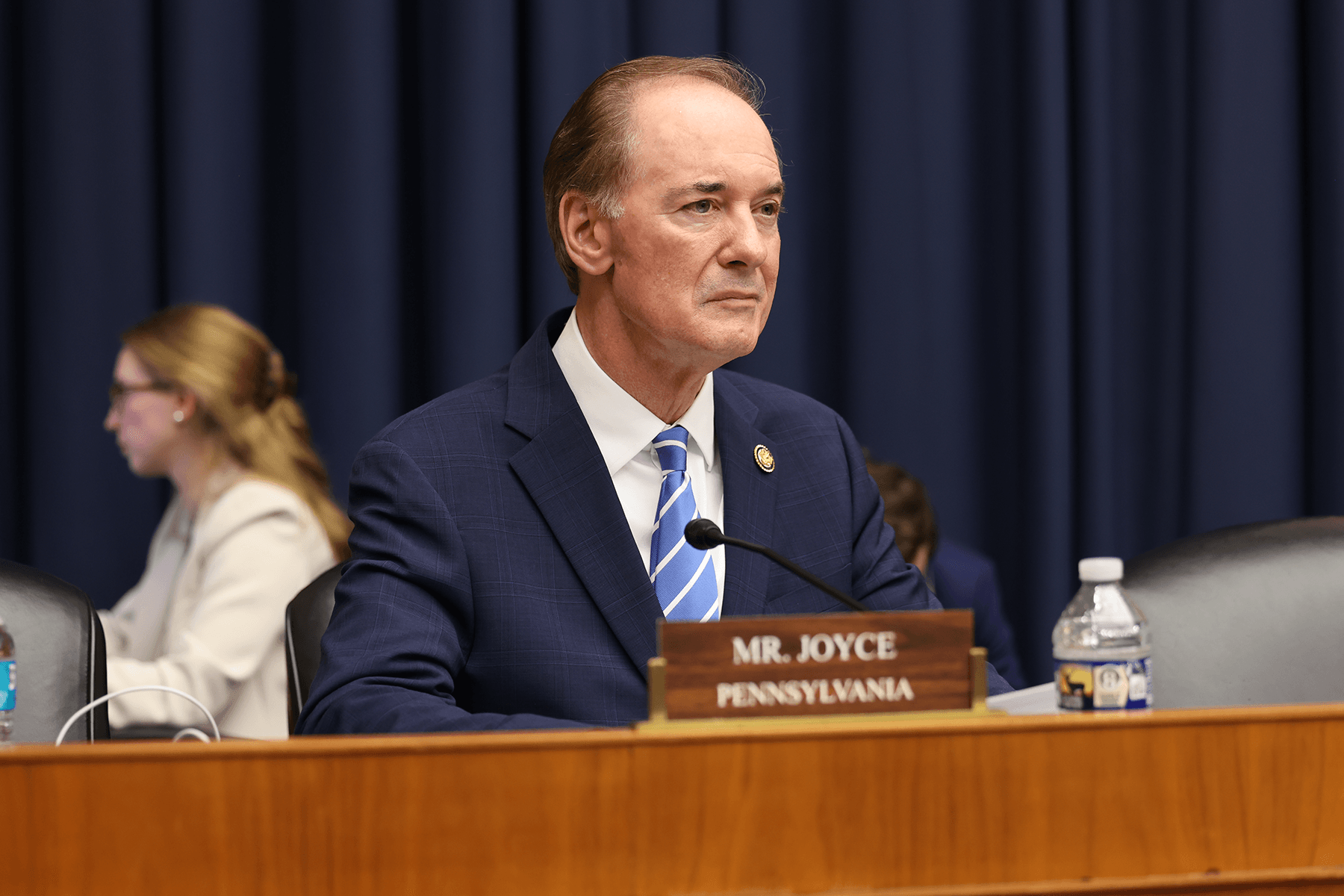
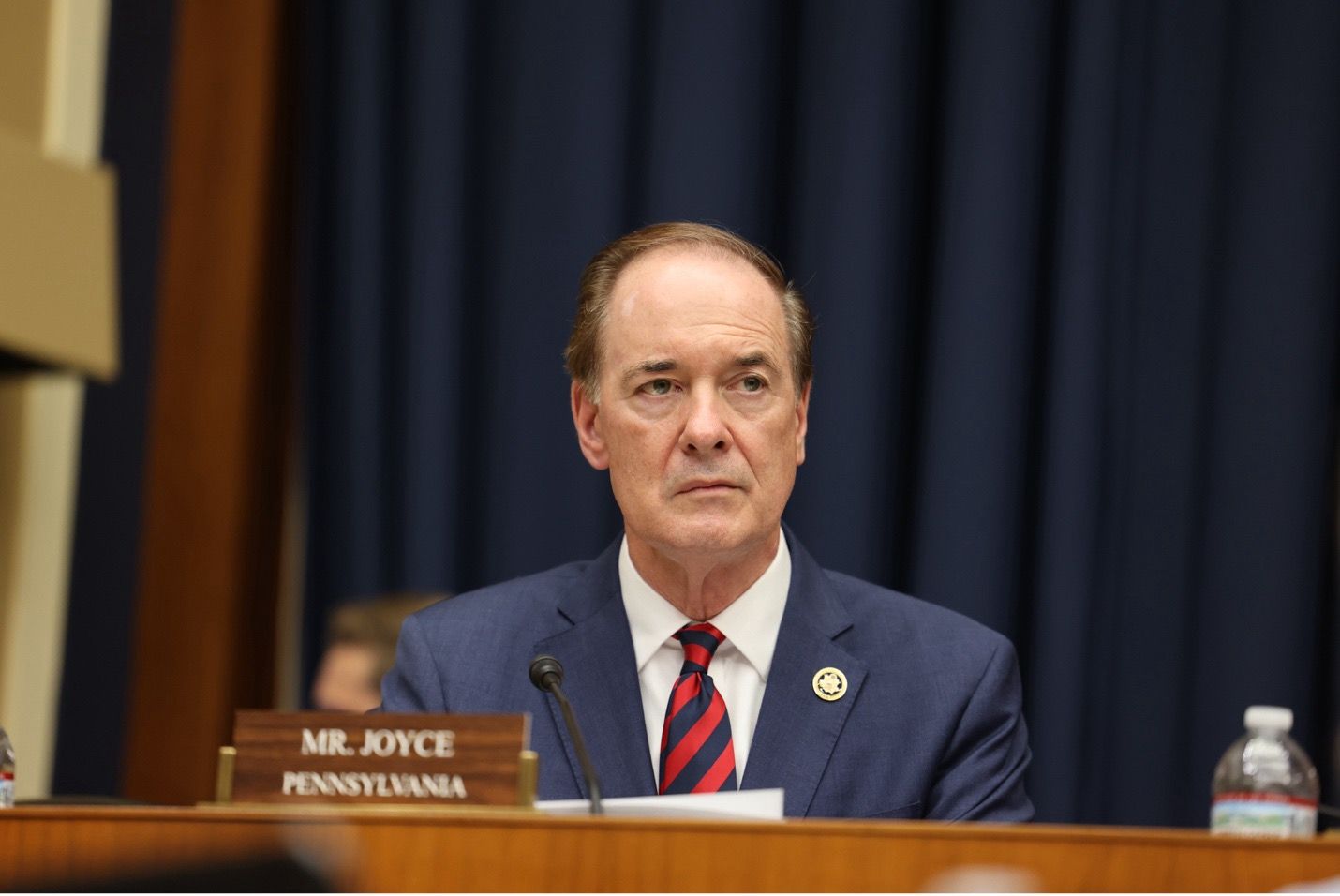
Chairman Joyce Delivers Opening Statement at Subcommittee on Oversight and Investigations Hearing on Ongoing Investigation into Medicare and Medicaid Programs Nationwide

WASHINGTON, D.C. – Congressman John Joyce, M.D. (PA-13), Chairman of the Subcommittee on Oversight and Investigations, delivered the following opening statement at today’s hearing titled Protecting Patients and Safeguarding Taxpayer Dollars: The Role of CMS in Combatting Medicare and Medicaid Fraud. Subcommittee Chairman Joyce’s opening statement as prepared for delivery: “Good afternoon, and welcome to today’s hearing titled, ‘Protecting Patients and Safeguarding Taxpayer Dollars: The Role of CMS in Combatting Medicare and Medicaid Fraud.’ “Today, we are continuing the Subcommittee’s ongoing examination of Medicare and Medicaid fraud. “Kim Brandt from the Centers for Medicare and Medicaid Services is here today to discuss the very real, and very harmful issues that we know address both Medicare and Medicaid fraud that are occurring right now across the United States and what CMS is doing to address this widespread fraud. “In Medicare, sectors such as durable medical equipment, genetic testing, skin substitutes, home health, and hospice are all experiencing high rates of fraud. “In Medicaid, schemes are running rampant in a variety of programs, from non-emergency medical transportation to personal care services, autism therapy, and substance use disorder treatment. “These crimes are despicable, yet we are seeing them occur time and time again across the country. In Minnesota, it’s Medicaid ABA services. In California, it’s Medicare hospice services. In Florida, it’s Medicare durable medical equipment. Once caught, fraudsters might be stopped, but they are always looking for their next scheme. The tentacles of these criminal schemes are long, and they reach into many different areas of health care. “And many of these fraud schemes target vulnerable individuals, such as the elderly, individuals with disabilities, the homeless, and people struggling with substance abuse disorders. Moreover, taxpayers are being defrauded of outrageously large amounts of money. Pennsylvania’s Governor Josh Shapiro, during his time as Pennsylvania’s Attorney General, stated at a 2020 press conference, ‘It’s possible, no, likely, that Pennsylvania is losing $3 billion a year to fraud.’ And that’s just one state, and that’s just in one year. “For too long, states have been permitted to run Medicaid programs with weak guardrails, making them easy targets for criminals to exploit. While states do have a duty to steward federal and state taxpayer dollars responsibly, it is federal oversight that is necessary to root out systemic fraud. “As President Trump made clear during his recent State of the Union address and executive order establishing the Anti-Fraud Task Force, he is serious about the ‘War on Fraud.’ Under the leadership of Vice President and “antifraud czar,” J.D. Vance, and under the leadership of Dr. Mehmet Oz, this administration is taking bold steps to stop this fraud—more than any other presidential administration before it. “It is critical that fraud in government health care programs like Medicare and Medicaid are addressed to ensure there are adequate funds to maintain these programs for those who are in need and not for fraudsters to steal. “As this Committee builds upon Medicaid program integrity efforts that we advanced last year in H.R. 1, it is important that we continue to identify ways to address fraud to secure the financial stability and longevity of these programs. “The elderly, individuals with disabilities, pregnant women, and children all rely on these programs to receive the health care that they need, and the health care they deserve. We owe it to them to protect and preserve these programs, rather than allowing them to serve as a gold mine for criminals. “I want to thank Deputy Administrator Brandt for being here today. We are looking forward to hearing about the important work that you and your team are already doing at CMS under the leadership of Administrator Dr. Mehmet Oz to protect and preserve Medicare and Medicaid. “With that, I now recognize our Ranking Member of the Subcommittee, Ms. Clarke, for her opening statement.”


Mar 17, 2026
Press Release

Chairman Latta Delivers Opening Statement at Hearing on Lessons Learned from Winter Storm Fern

WASHINGTON, D.C.  – Congressman Bob Latta (OH-05), Chairman of the Subcommittee on Energy, delivered the following opening statement at today’s hearing titled Winter Storm Fern Lessons: Supplying Reliable Power to Meet Peak Demand. Subcommittee Chairman Latta’s opening statement as prepared for delivery:  “Good morning and welcome to today’s hearing to examine the performance of our electric grid through the duration of Winter Storm Fern.    “Starting on January 23rd, a significant winter storm brought widespread snow, sleet, and freezing rain from New England to the Rockies and down to the Gulf of America.   “This storm was followed by an Arctic Front that kept stubbornly low temperatures across the country and additional snowstorms.   “As expected, American families bundled up, staying indoors to avoid the inclement weather and dangerous road conditions.   “When they were at home, they relied on our nation’s complex energy system to keep the lights on, their homes warmed, and fridges stocked.   “Just like any other day, families expected their lights to come on at the flip of a switch.  “While seemingly routine, an exhaustive amount of preparation, coordination, and real-time decision making occurred behind the scenes to make sure American communities had power.   “While some outages occurred, the grid held up because of the important work of some the witnesses we have before us.  “The Southwest Electric Power Company, or SWEPCO, is an electric utility across Arkansas, Texas, and Louisiana.   “The Northeast Gas Association represents natural gas utilities across 11 northeastern states.   “Grid Strategies develops public policies that support a clean energy transition.  “And the North American Electric Reliability Corporation, or NERC, is the regulatory authority that ensures reliability and security of our nation’s bulk power system.   “Together, these witnesses will provide critical insights into how the nation’s electric grid remained resilient through the duration of this significant weather event.   “While I’m looking forward to today’s opportunity to learn about the grid’s performance through the storm, one thing remains clear – baseload and dispatchable resources saved the day.  “Generation from coal, natural gas, and fuel oil skyrocketed while intermittent resource generation plummeted.   “Nuclear, as always, remained steady and reliable.  “Without access to these affordable and reliable supplies of baseload generation, the setting of this hearing would look much different.   “Power outages that occur in freezing temperatures cause billions in economic damage and, even more importantly, tragic deaths in our vulnerable communities.  “Our New England states illustrate an interesting example.   “Through the storm, the fuel mix in New England was carried by natural gas, fuel oil, and nuclear power.   “In spite of generous subsidies and favorable public policy choices, intermittent resources were nowhere to be found when New England needed power the most.   “Because limited gas pipeline capacity in the New England region restricts supply and raises prices, power plants had to opt for more expensive and less efficient fuel oil.   “It’s important to recognize fuel oil plants were the predominant source of generation 70 years ago.  “Importantly, outages across the country were limited – but the success of the grid through Winter Storm Fern should serve as a warning.   “That brings us to the present day – how should policy makers and regulators consider the operation of our future bulk power system.   “We stand on the precipice of tremendous growth in our nation’s electricity demand.  “The Energy and Commerce Committee has held several hearings and passed legislation to shore up the reliability crisis caused by the Biden Administration and to power next generation industries.   “Now, we are considering the implications of a generation resource mix that can appropriately meet the needs of households at all times of the year while simultaneously ensuring America leads in the future economy.  “The answer is clear – our nation needs dispatchable energy and a lot more of it.   “Given the military activity taking place in Iran and implications of energy markets through the Strait of Hormuz, now more than ever we need to utilize the bountiful resources we have here at home.  “The lessons of Winter Storm Fern should illustrate that common sense must rule the day.   “American energy dominance and independence must be achieved so we can keep our communities safe at home.”  ###


O&I Subcommittee Holds Hearing on Ongoing Investigation into Medicare and Medicaid Programs Nationwide

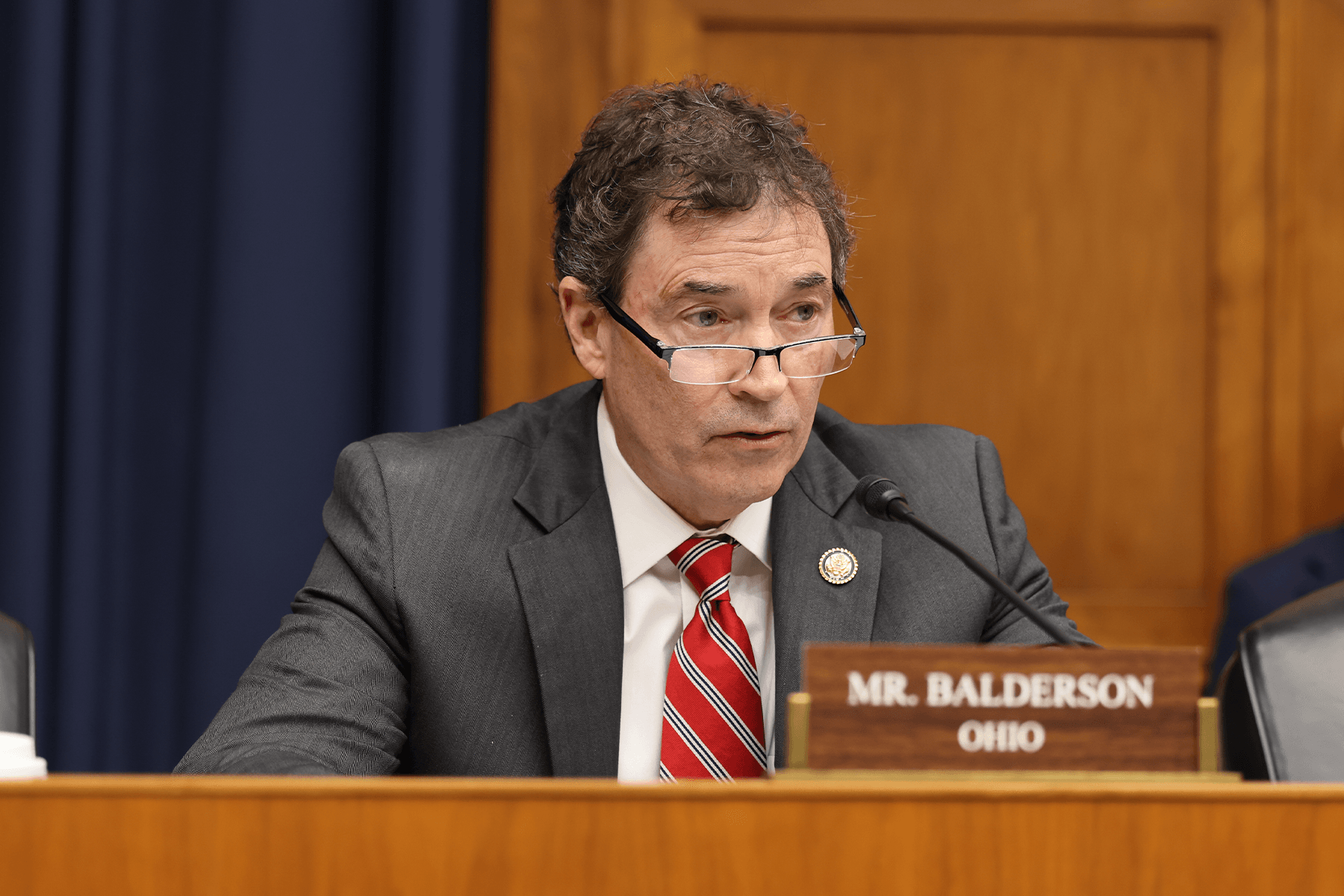
WASHINGTON, D.C.  – Today, Congressman John Joyce, M.D. (PA-13), Chairman of the Subcommittee on Oversight and Investigations, led a hearing titled  Protecting Patients and Safeguarding Taxpayer Dollars: The Role of CMS in Combatting Medicare and Medicaid Fraud. “Taxpayers are being defrauded of outrageously large amounts of money,”  said Chairman Joyce.  “For too long, states have been permitted to run Medicaid programs with weak guardrails, making them easy targets for criminals to exploit. While states have a duty to steward federal and state taxpayer dollars responsibly, federal oversight is necessary to root out systemic fraud, waste, and abuse.” Watch the full hearing  here .    Below are key excerpts from today’s hearing: Congressman Brett Guthrie (KY-02):  “How does the Fraud Defense Operation Center work?”  Ms. Brandt:  “The way it works is we get a mix of fraud investigators, lawyers, law enforcement, HHS, OIG, DOJ, and medical professionals all together, and we look at the data again, it's all data driven. We look at real time Medicare claims data and determine where we see big spikes in the data. For instance, on skin subs last year, one of the cases we saw was an 89-year-old woman who it showed that she had had 5,029 claims for skin subs submitted on her behalf and she was on hospice. Obviously, that's a pretty clear indicator of fraud.”  Guthrie:  “Is that improper payment or fraud?”  Ms.   Brandt:  “That would be fraud. And she would be mummified if that was actually the case.” Congressman Randy Weber (TX-14):  “In Texas, $65 million was paid in fraudulent Medicare claims related to genetic testing that was never even requested on behalf of the beneficiaries. It seems like you're aware of that, what have you observed with respect to their lab schemes involving fraudulent or unnecessary lab testing? How do you get to that? What's the process?”  Ms. Brandt:  “It's very difficult, sir, and we have observed it. In fact, as I mentioned to you with our fraud detection war room that we have of the $1.8 billion we stopped last year, $100 million+ of it was related to just those types of laboratory services. And unfortunately, what that means is then when those services get billed—even if they're not provided—they go on the patient's medical record and it precludes them from being able to get that type of testing in the future when they might need it for a cancer diagnosis or something more serious.”  Weber:  “So, our great citizens are the brunt of that, really, while the thieves are making way with the taxpayer dollars?”  Ms. Brandt:  “Correct.” Congressman Troy Balderson (OH-12):  “Across many states, Medicaid providers have been found billing for services supposedly delivered to patients who were deceased, hospitalized, incarcerated, or living abroad. For example, in Massachusetts, a transportation company billed for nearly 17,000 rides, including 100 for patients already confirmed dead. In Colorado, a defendant billed $165,000 for rides for a beneficiary who had passed. In New York, investigators identified 25 transportation companies billing for rides for patients confirmed deceased or hospitalized. What mechanisms does CMS currently have to cross-check active claims against death records, hospital admission records, and incarceration records before approving payment?”  Ms. Brandt:  “We have a data matching agreement with SSA to be able to do a cross reference to something called the Death Master File, and in the Death Master File, all of the localities report all deaths. And as a result, we are able to run both providers and beneficiaries against that—to not only ensure that we aren't paying for dead people, but we aren't paying dead people, and that is what we do on the federal side. On the state side, it's more complicated because for states, they each have to do that on their own. I can't speak to what each state would do, and that is responsible for several of the cases that you just referenced.”


Mar 16, 2026
Press Release

Chairman Guthrie Announces Joel Miller as Deputy Staff Director

WASHINGTON, D.C. – Today, Congressman Brett Guthrie (KY-02), Chairman of the House Committee on Energy and Commerce, announced that Joel Miller has been named Deputy Staff Director, following the departure of Sophie Khanahmadi. Joel Miller—Deputy Staff Director Having served as the Committee’s Chief Counsel since the beginning of this Congress, Joel Miller will now serve as the Deputy Staff Director of the House Committee on Energy and Commerce. As Chief Counsel, Joel has played a central role in executing the Committee’s legislative priorities in the 119 th Congress, including the Working Families Tax Cuts reconciliation package. A former FCC Senior Legal Advisor and Chief of Staff, Joel also served previously as Chairman Guthrie’s Deputy Chief of Staff and Legislative Director.


Mar 16, 2026
Press Release

Energy and Commerce Weekly Look Ahead: The Week of March 16th, 2026

WASHINGTON, D.C.  – This week, the House Committee on Energy and Commerce is holding four Subcommittee Hearings. Read more below.  SUBCOMMITTEE HEARING:  The Energy and Commerce Subcommittee on Energy is holding a hearing to discuss the lessons learned from Winter Storm Fern. DATE:  Tuesday, March 17, 2026   TIME:  10:00 AM ET  LOCATION:  2123 Rayburn House Office Building  SUBCOMMITTEE HEARING:  The Energy and Commerce Subcommittee on Oversight and Investigations is holding a hearing on what the Trump Administration is doing to proactively tackle Medicare and Medicaid fraud, as well as continuing conversations surrounding common fraud schemes and programs that are vulnerable to fraud. DATE:  Tuesday, March 17, 2026  TIME:  2:00 PM ET  LOCATION:  2123 Rayburn House Office Building  SUBCOMMITTEE HEARING:  The Energy and Commerce Subcommittee on Health is holding a hearing on the role that providers play in making health care more affordable for all Americans.   DATE:  Wednesday, March 18, 2026  TIME:  10:15 AM ET  LOCATION:  2123 Rayburn House Office Building   SUBCOMMITTEE HEARING:  The Energy and Commerce Subcommittee on Communications and Technology is holding a hearing on the World Radiocommunication Conference.   DATE:  Wednesday, March 18, 2026  TIME:  2:00 PM ET  LOCATION:  2123 Rayburn House Office Building  ###


Mar 13, 2026
Environment

Chairman Guthrie Applauds EPA Decision to Address Regulations that Targeted Life-Saving Medical Devices

WASHINGTON, D.C. – Today, Congressman Brett Guthrie (KY-02), Chairman of the House Committee on Energy and Commerce, issued the following statement following Environmental Protection Agency (EPA) Administrator Zeldin’s announcement that the agency proposed amending a Biden-Harris Administration regulation that weaponized air emissions standards to halt the production and use of ethylene oxide (EtO) to sterilize medical equipment. “Today’s EPA announcement is a victory for commonsense policies that safeguard patients and put an end to the overreach of the Biden-Harris Administration,” said Chairman Guthrie. “ The burdensome ethylene oxide rule threatened to shutter sterilization facilities and disrupt American medical supply chains that hospitals and providers rely on every day to safely treat patients. By proposing an amendment to this misguided regulation, EPA Administrator Zeldin is working under the authority that Congress provided under the Clean Air Act to help ensure the medical community maintains access to a safe and reliable domestic supply of sterilized medical devices used in millions of procedures each year, while continuing to protect human health and the environment.”   BACKGROUND: Ethylene oxide (EtO) is used to sterilize approximately half of all medical devices sold in the United States, including surgical instruments, syringes, and implants. For many heat- and moisture-sensitive devices, there is currently no viable alternative sterilization method. The emission standards put in place by the Biden-Harris Administration threatens the ability for facilities to fully and safely sterilize essential medical equipment. In 2023, the Committee on Energy and Commerce, Subcommittee on Environment, Manufacturing, & Critical Materials held a hearing on the Biden-Harris Administration’s proposed rulemaking, where witnesses testified to how the proposal would significantly disrupt patient access to emergency care and threaten patient safety from hospital-born infections.