ICYMI: “Lawmakers target energy affordability through sweeping permitting overhaul in new House bill”
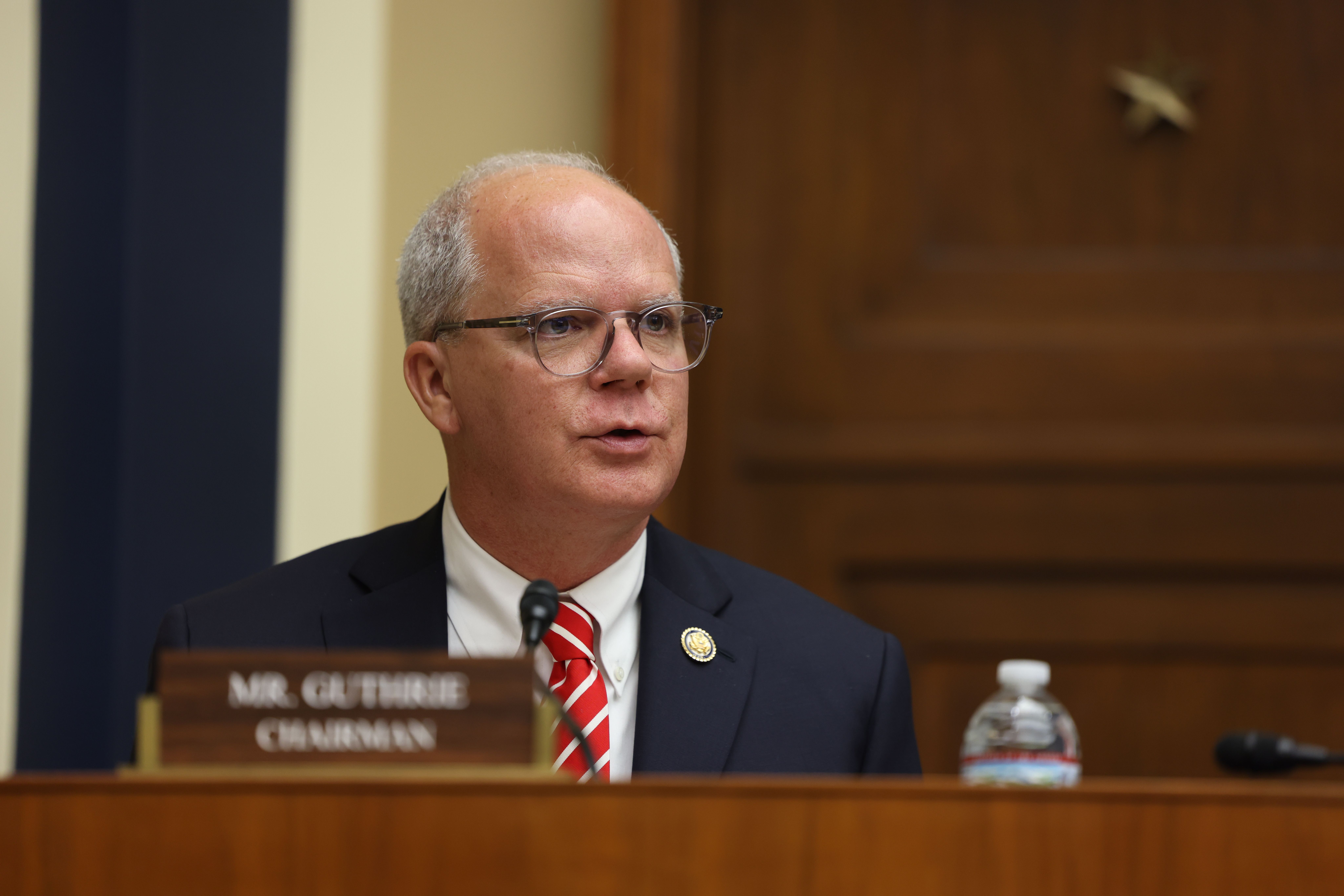
WASHINGTON, D.C. - In case you missed it, Fox News recently reported that Congressman Brett Guthrie (KY-02), Chairman of the House Committee on Energy and Commerce, released a discussion draft of the POWER Act, a combination of 19 Republican measures focused on lowering energy costs, strengthening grid reliability, and speeding up the construction of new energy projects to deliver affordable and reliable energy for all Americans.
In Case You Missed It:
"FIRST ON FOX: House Republicans are staking out their position as congressional permitting talks heat up with a sweeping legislative package aimed at lowering energy costs, strengthening grid reliability and speeding up the construction of new energy projects.
"House Energy and Commerce Committee Chairman Brett Guthrie, R-Ky., will introduce the 96-page 'Permitting Our Way to an Energy Resurgence (POWER) Act' on Wednesday, describing it as a 'discussion draft' as the panel continues to hear feedback from lawmakers and industry stakeholders.
"The measure combines nearly 20 Republican proposals that would streamline approvals for pipelines, transmission lines, power plants and manufacturing projects while addressing rapidly growing electricity demand tied to artificial intelligence data centers.
"Beyond permitting, the mammoth legislation seeks to shield ratepayers from price hikes by requiring data centers to bear the costs of grid upgrades.
"The legislation would also give dispatchable power plants priority over intermittent sources such as wind and solar in interconnection queues, expand federal regulators' authority to keep power plants online and overhaul portions of the Clean Air Act.
"'To win the race to AI dominance, onshore jobs, and deliver reliable and affordable power for families, America needs a permitting system that works for their communities,' Guthrie said in a statement obtained by Fox News Digital.
"'The POWER Act cuts the red tape holding back American energy, protects hard-working families from higher electricity costs, and keeps the lights on for generations to come,' he continued.
"Guthrie said the energy package is the result of months of collaboration among GOP members across the committee.
"'For too long, burdensome regulations that fail to meet the moment have held back American innovation and growth,' he said. 'I'm proud to introduce commonsense legislation that will make energy more affordable for every American.'
"The legislation's introduction comes as bipartisan negotiations over permitting reform have long proven elusive, despite widespread acknowledgment of the need for reforms to the federal government's complex permitting process.
"It is unclear whether House GOP leaders will bring Guthrie's package to the floor before the midterm elections. Lawmakers have less than two dozen legislative days left on the calendar heading into November.
"Among the package's most consequential provisions is legislation from Rep. Troy Balderson, R-Ohio, that would check the federal government's ability to issue far-reaching environmental regulations.
"His measure requires federal agencies to submit major actions affecting electricity generation to the Federal Energy Regulatory Commission for review to ensure they do not negatively impact grid reliability.
"Republicans say Balderson's Reliable Power Act is intended to ensure burdensome regulations from agencies such as the Environmental Protection Agency do not jeopardize the nation's power supply.
"Another marquee proposal, authored by Rep. Gabe Evans, R-Colo., would require large commercial electricity users, including data centers, to front the full cost of infrastructure upgrades.
"The provision effectively codifies Trump's 'ratepayer protection pledge,' under which large companies committed not to pass data center development costs on to everyday consumers through utility rate hikes.
"'America must build the energy infrastructure necessary to win the global AI race and outcompete adversaries like Communist China - but hardworking families should never be forced to subsidize that growth through higher electric bills,' Evans said Wednesday after the measure advanced out of committee with bipartisan support as a standalone bill."
"The package also includes several other long-standing GOP energy priorities, including Evans' FIRE Act, which would shield states from Clean Air Act penalties tied to wildfire prevention efforts such as prescribed burns and brush clearing."