News

All Updates


Jan 22, 2026
Environment

Chairman Palmer Delivers Opening Statement at Subcommittee on Environment Hearing to Discuss Legislation to Modernize America’s Chemical Safety Law

WASHINGTON, D.C. – Congressman Gary Palmer (AL-06), Chairman of the Subcommittee on Environment, delivered the following opening statement at today's hearing titled Chemicals in Commerce: Legislative Proposal to Modernize America's Chemical Safety Law, Strenghten Critical Supply Chains, and Grow Domestic Manufacturing.

Subcommittee Chairman Palmer’s opening statement as prepared for delivery:

“Good afternoon and welcome to Ranking Members Pallone, Tonko, my colleagues, and to our witnesses for this hearing of the Subcommittee on the Environment.

“Today we will be examining a legislative proposal to modernize the Toxic Substances Control Act – or TSCA.

“First enacted into law in 1976 with broad bipartisan support, TSCA provides the U.S. Environmental Protection Agency (EPA) with broad authority to regulate chemicals that pose an unreasonable risk to human health and the environment.

“Forty years later, Congress made several improvements to TSCA with passage of the bipartisan Lautenberg Amendments in 2016.

“As we heard at our hearing last January, chemicals are central to many aspects of modern life, and a strong, U.S. chemical industry is key to our economic prosperity and national security.

“The 2016 law authorized EPA to collect user fees to help provide resources and funding but in the decade since the Lautenberg Amendments were passed, it has become clear that this important law is still not working as Congress intended and that further changes are needed to ensure chemicals are reviewed in a predictable and efficient process without undermining safety.

“The process for reviewing new chemicals – which was a significant focus of the 2016 effort – is broken. As we heard in January and will again hear from witnesses today, EPA does not meet the 90-day review deadline for the vast majority of all new chemicals submitted for EPA review. This regulatory uncertainty makes it difficult for the chemical industry to bring safer alternatives or new technology to the market in the U.S. and impacts human health and the environment by slowing the transition to safer alternatives.

“To be clear: The draft would not scrap the safety protections enacted in the 2016 Amendments and is not reopening up TSCA as a whole.

“The bill would reauthorize the fee provision for another 10 years and require increased transparency and accountability in how fees are used by EPA.

“The draft also makes targeted changes to modernize section 5 and section 6 concerning the review and regulations of new and existing chemicals, including requiring increased coordination between EPA and other agencies and prioritizing chemicals that are essential to critical manufacturing supply chains.

“Our witnesses today are: Dimitri Karakitsos, a partner at the law firm Holland & Knight who worked on the 2016 Amendments as a Senate staffer; Dr. Kimberly Wise White of the American Chemistry Council, John Carey of DSM-Firmenich, an international chemical manufacturer with significant operations in the U.S., and Professor Tracey Woodruff of the University of California, San Francisco.

“The legislation we are considering today is a discussion draft. It reflects input the Subcommittee received at our January hearing and in the months since.

“Majority staff also met with their counterparts on the minority staff half a dozen times to discuss ideas and language for this proposal, and several changes were made to the text based on input from minority staff.

“We look forward to getting additional feedback in the weeks after this hearing and hope to continue discussions with the minority on areas for bipartisan cooperation as we work on an updated draft, prepare legislation for introduction, and plan for a future markup to advance this important legislation.”


Jan 22, 2026
Press Release

Health Subcommittee Holds Health Insurance Company CEOs Accountable for Skyrocketing Costs

WASHINGTON, D.C. – Today, Congressman Morgan Griffith (VA-09), Chairman of the Subcommittee on Health, led a hearing titled Lowering Health Care Costs for All Americans: An Examination of Health Insurance Affordability, featuring witness testimony from the biggest health insurance plan CEOs in the United States. During the hearing, Committee Republicans held health insurance plans accountable in their role of increasing health care affordability challenges impacting all Americans and discuss how Democrat policy failures in Washington D.C. have warped the American health care system and hurt patients access to high-quality health coverage options.

“Many patients have fewer plan choices than they did before Obamacare was enacted. Therefore, Obamacare coverage is not translating to patient or taxpayer affordability,” said Chairman Griffith. “We owe it to patients to have a health system that offers real choices, transparent prices, and coverage that fits their needs, and I look forward to seeing how today’s conversation presents solutions to make health care more affordable for all Americans.”

Watch the full hearing ** here **.

Below are key excerpts from today’s hearing:

BV8A1463 copy.JPG

Congressman Brett Guthrie (KY-02): “Experts, including the Congressional Budget Office, estimated that the expiration of the temporary Obamacare enhanced COVID Credit is projected to increase premiums by anywhere from 4 percent and 8 percent, depending on the market. Yet, many areas for 2026, insurers requested and were approved for premium increases of 30 percent, 40 percent, even 50 percent. So, Mrs. Boudreaux, you’re in Kentucky. The average Elevance Obamacare plan increased its premium by roughly 24 percent. Despite what Democrats would have the American people believe, the temporary COVID Credit does little to actually lower underlying Obamacare premiums and the American taxpayers are footing the bill. So, Mrs. Boudreaux, by your best estimation—even if the Democrats’ temporary COVID Credits were extended—would Obamacare plan bids in my state of Kentucky increase or decrease between 2026 and 2025?” Mrs. Boudreaux: “Well, thank you very much for the question, Congressman. You know, as we’ve shared, premiums reflect the underlying costs...” Chairman Guthrie: “So, they would have increased, right?”

BV8A2011 copy.JPG

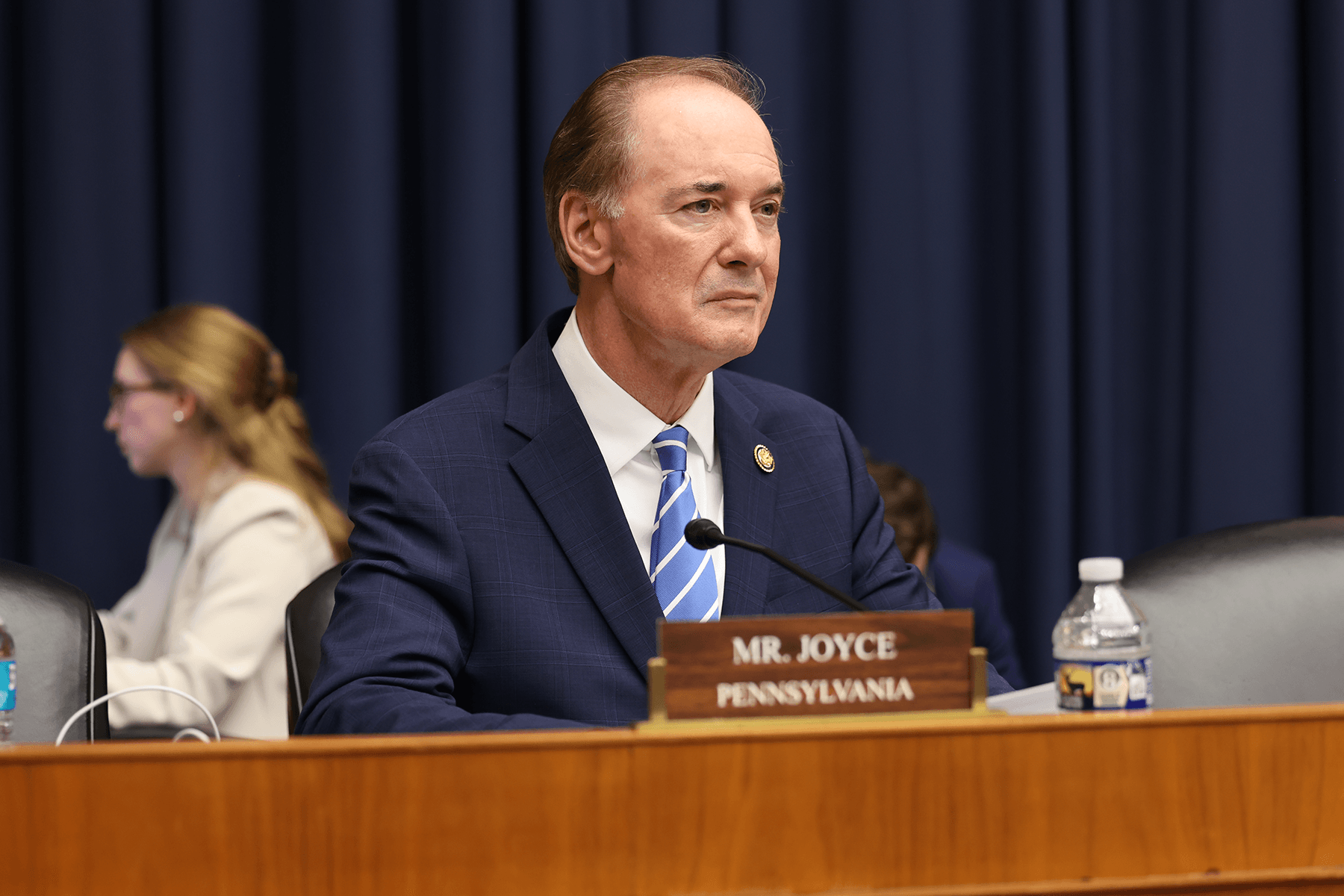
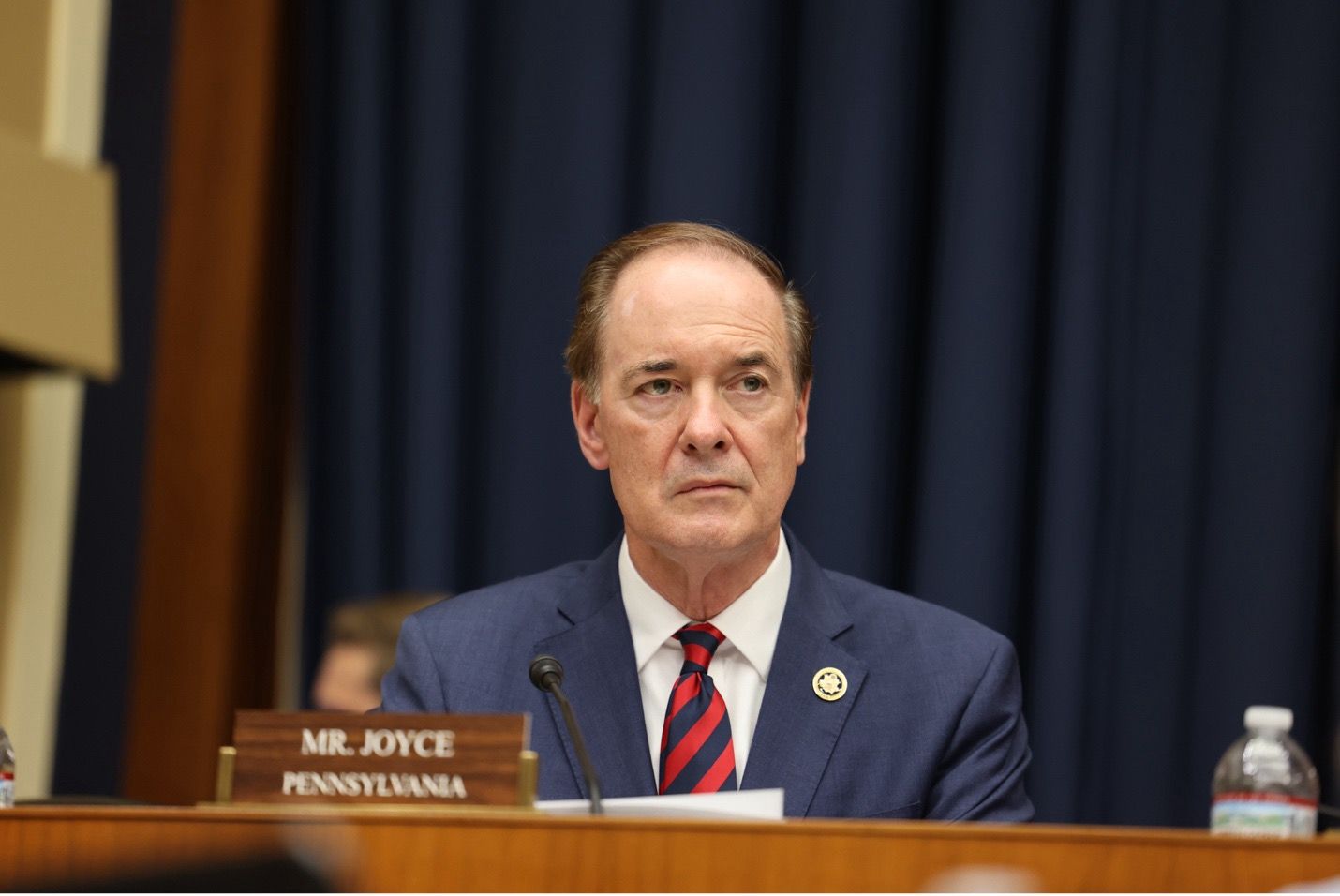
Congressman John Joyce, M.D. (PA-13):Since the passage of the ACA, we have seen costs across all markets continue to increase. One of the key issues driving this is the medical loss ratio, or the MLR, that requires plans to spend either 80 percent or 85 percent of your premium dollars on health care expenses. The MLR created multiple perverse incentives for insurance companies to dramatically consolidate both vertically and horizontally. The companies that you lead today are not just involved in insurance. You own PBMs, you own specialty pharmacies, you own retail pharmacies, you own GPOs, you own physician groups and practices. In some cases, you own hospitals, and you own drug manufacturing companies. And at least one of you owns a bank! This has led to alleged cases of self-dealing, as your companies work to circumvent the [multi-level marketing] requirements.”

BV8A2106 copy.JPG

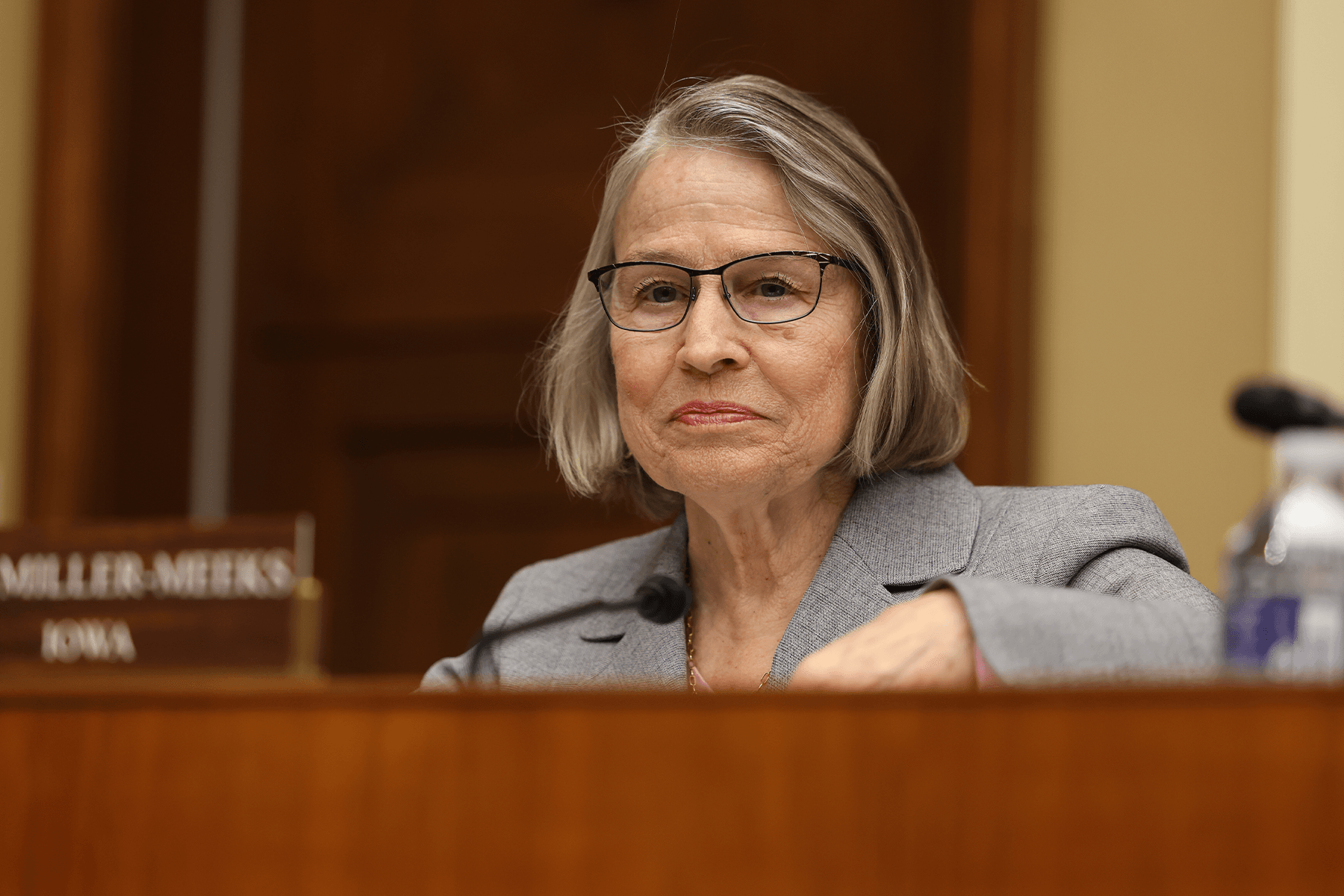
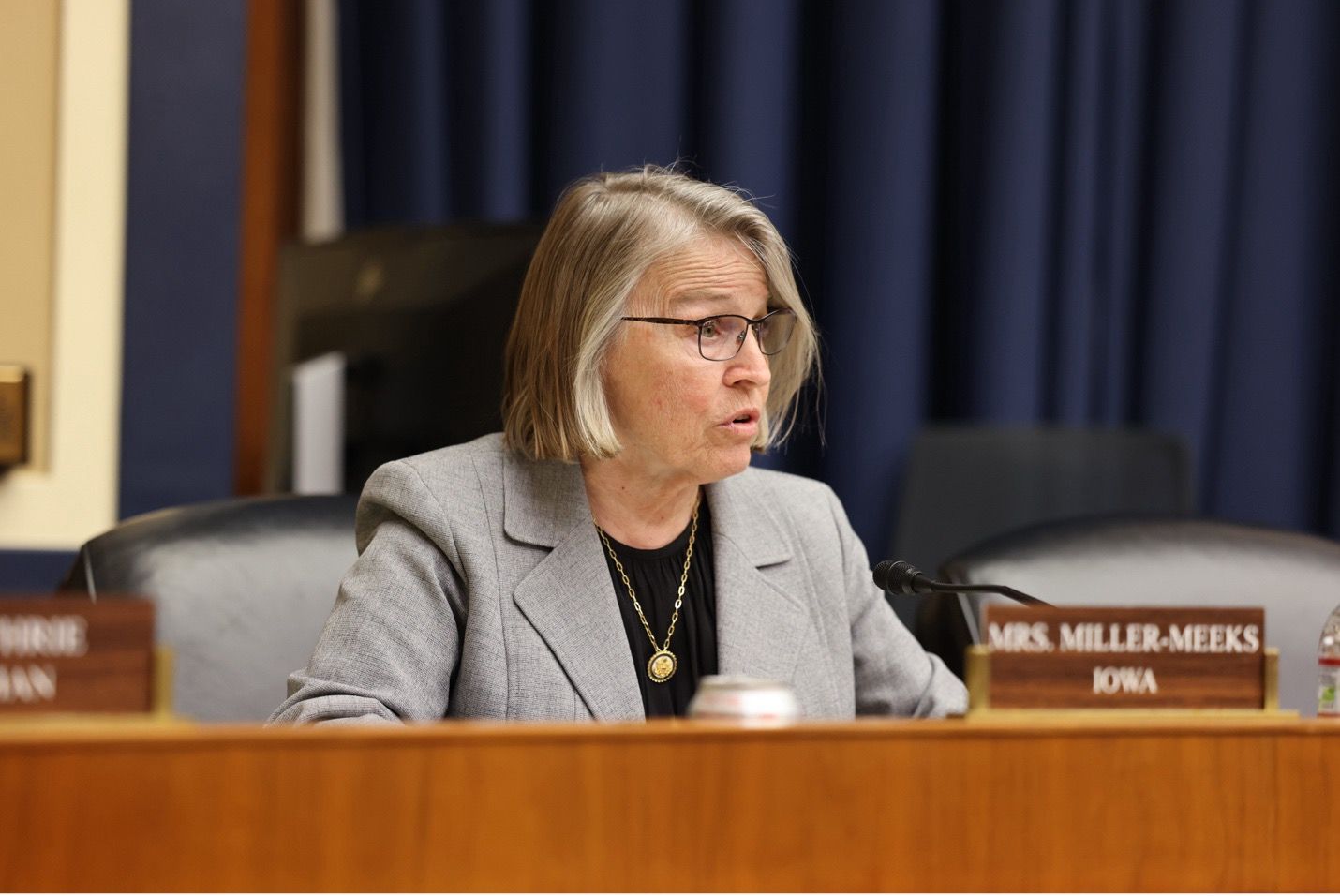
Congresswoman Mariannette Miller-Meeks (IA-01):The largest PBMs—CVS Caremark, Express Scripts, and Optum—have created rebate contracting entities, or PBM group purchasing organizations, which are adding to the complex and opaque nature of the medicine supply chain. My first PBM reform bill on transparency was in 2019, as an Iowa state senator. PBMs claim these entities provide them and their clients with greater bargaining power to lower costs, but recent investigations by Members of Congress, industry experts, state attorneys general, and federal oversight agencies suggest the opposite may be true. We have a graph up here. Let’s start with the left. The drugmaker pays rebates directly to the PBMs and PBM GPOs to ensure their drugs are included on their health plan formularies—meaning the drugs are covered by insurance. Then, these PBMs and their PBM GPO subsidiaries collect the rebates, which they promise to pass through to their patients and health plans. Can any of you tell me what percentage of rebates are passed through to the patient, who is paying a higher drug cost because the rebates are added to the price of the drug?” Top Health Insurers: “...” Congresswoman Miller-Meeks: “Is it zero?” Top Health Insurers: “...” Congresswoman Miller-Meeks: “You don’t even know that you’re not giving these patients back a rebate for paying higher drug prices.”


Jan 22, 2026
Press Release

Environment Subcommittee Holds Hearing to Discuss Legislation to Modernize America’s Chemical Safety Law

WASHINGTON, D.C. – Today, Congressman Gary Palmer (AL-06), Chairman of the Subcommittee on Environment, led a hearing titled Chemicals in Commerce: Legislative Proposal to Modernize America’s Chemical Safety Law, Strengthen Critical Supply Chains, and Grow Domestic Manufacturing.

“The process for reviewing new chemicals – which was a significant focus of the 2016 effort – is broken. This regulatory uncertainty makes it difficult for the chemical industry to bring safer alternatives or new technology to the market in the U.S. and impacts human health and the environment by slowing the transition to safer alternatives,” said Chairman Palmer. “The bill would reauthorize the fee provision for another 10 years and require increased transparency and accountability in how fees are used by EPA.”

Watch the full hearing here.

Below are key excerpts from today’s hearing:

BV8A8574.JPG

Congressman John Joyce, M.D. (PA-13): “Dr. White, we've had this discussion and my colleagues have opened the door, but I want to give you an opportunity to speak to how provisions in this legislative proposal today will guide EPA to focus their consideration on conditions that reasonably could be foreseen, and not just theoretical or even unlikely, because I think we're opening up potential areas that will waste time to be able to allow important chemicals to be assessed. Can you discuss that for us, please?” Dr. White: “For every single chemical that the EPA has evaluated since TSCA was modernized, they have found it to be an unreasonable risk. This has really been because of their scientific practices and principles. They have ignored submitted data. They have mischaracterized worst case exposure scenarios and not understood what exposure actually looks like when they're making decisions. And they focused on conditions of use that were not relevant or that were not really going to provide or have a specific high level of exposure. So, this has led to really flawed assessments by the agency, leading to overly conservative risk management decisions by the agency. What this new approach does is it requires the agency to focus on those conditions of use that are more likely than not to occur. So, it really helps to, again, focus the agency on looking at actual real-world scenarios for how a chemistry might be used.”

BV8A8753.JPG

Congresswoman Mariannette Miller-Meeks (IA-01): “For states like Iowa, where agriculture, manufacturing, including chemical manufacturing, and innovation are central to our economy, we need a regulatory system that protects human health and the environment without relying on duplicative regulation or unnecessary delays. This discussion draft refocuses TSCA on real world risk, best available science, and coordination with other federal and international regulators. It encourages safer innovation, strengthens domestic supply chains, and ensures EPA is accountable for its decisions while preserving strong protections for workers, consumers, and families.”

BV8A8639.JPG

Congressman Gabe Evans (CO-08): “One of the processes that's used at EPA to manage and look at these chemicals and do cost benefit analysis is what's called a risk evaluation. In your experience, do EPA's risk evaluations and subsequent risk management rules provide health and safety benefits that are commensurate with the costs and burdens of the rules? And if not, what can we do to address that?” Dr. White: “EPA's risk evaluation process can be improved upon. It has a best available science and a way to vet the scientific evidence statute that it should be relying on. It has been missing the mark over the last several years. And so, there's really an opportunity to strengthen that, maintain that language.”


Jan 22, 2026
Health

Chairman Griffith Delivers Opening Statement at Subcommittee on Health Hearing Examining Health Insurance Affordability

WASHINGTON, D.C. – Congressman Morgan Griffith (VA-09), Chairman of the Subcommittee on Health, delivered the following opening statement at today’s hearing titled Lowering Health Care Costs for All Americans: An Examination of Health Insurance Affordability.

Subcommittee Chairman Griffith’s opening statement as prepared for delivery:

“Today we will discuss health care costs and patient access challenges by examining affordability across the entire health insurance marketplace.

“This hearing builds on work Republicans have done this Congress to address health care affordability.

“We plan to have future hearings with other leaders and experts across the health care continuum to understand the root causes of rising health care costs.

“Specifically, this hearing will focus on the role insurers play in the delivery of care.

“The insurance market is dominated by a handful of Fortune 50 corporations that control the majority of the national market.

“In some states, a single insurer may even control 80 or 90 percent of a particular market.

“The biggest health insurers today often manage several facets of the health care supply chain, such as owning the pharmacy benefit managers; the group purchasing organizations; multiple provider groups; and specialty or mail-order pharmacies.

“Even with owning those, complicated benefit designs, narrow networks, prior authorization requirements, and opaque coverage decisions often leave patients feeling like they are paying more for less.

“The market also lacks transparency and is not easily navigable.

“One contributor to health insurance unaffordability for millions of Americans is the so called ‘Affordable Care Act,’ also known as Obamacare, that was signed into law in 2010.

“When Democrats passed Obamacare, without Republican support, they sold the bill on the promises that premiums would fall, competition would rise, and ‘if you like your insurance plan, you will keep it.’

“Instead, Obamacare has increased health care costs, warped incentives, federalized benefits, restricted plan design, and limited access to care.

“Many patients have fewer plan choices than they did before Obamacare was enacted. In fact, a constituent told me recently that his family only has one provider option. Therefore, Obamacare coverage is not translating to patient or taxpayer affordability.

“Unfortunately, employer-sponsored insurance is also becoming unaffordable, and, each year, more American small businesses choose not to offer health insurance because it is too costly.

“This impacts the ability for a small business to be competitive and attract talent.

“We know two things are true:

“Competition is essential for patient access! Lack of competition and consolidation within the insurance marketplace has led us to higher health care costs as a whole.

“The health care system needs to work for patients.

“That means empowering individuals with real choices, transparent prices, and coverage that fits their needs.

“We must strive to have more competitive plan options that reward quality and focus on affordability, access, and outcomes.

“Our discussion today is meant to move beyond politics and spur debate about how we can work toward delivering meaningful, innovative solutions for the Americans that we serve.

“We owe it to patients to get to the root causes of the challenges we see across the health sector, and I look forward to hearing from our witnesses.”


Jan 21, 2026
Markups

Chairman Guthrie Delivers Opening Statement at Full Committee Markup

WASHINGTON, D.C. – Congressman Brett Guthrie (KY-02), Chairman of the Committee on Energy and Commerce, delivered the following opening statement at today’s markup of 11 bills.

Chairman Guthrie’s opening statement as prepared for delivery:

“Welcome to the first full committee mark-up of 2026. In 2025, the House passed 62 E&C bills. 17 of those bills were signed into law. We held over 60 hearings and markups and spent over 80 hours marking up legislation. That’s a remarkable accomplishment and I want to thank all the members on this Committee for your hard work.

“We are going to continue that work in 2026. Today, we are considering 11 pieces of legislation that will provide permitting reform under the Clean Air Act, support American energy dominance, and improve public safety communications.

“35 years have passed since the Clean Air Act was meaningfully updated and outdated previsions are creating a permitting gridlock that must be addressed.

“When it comes to the Clean Air Act, we are considering a range of bills that would ensure that states and local communities are not penalized for air emissions that come from outside of the U.S.; modernize the current National Ambient Air Quality Standards; reduce permitting gridlock; and facilitate state implementation of Clean Air Act permitting.

“Unfortunately, the current program threatens nearly $200 billion in economic activity and puts over a million jobs at risk.

“Further, we’ll discuss legislation to ensure that states are not penalized for wildfire mitigation measures, like prescribed burns and brush clearing; to streamline the New Source Review permitting process; to provide alternate pathways for critical mineral manufacturing and advanced manufacturing facilities to meet permitting requirements; and to eliminate duplicative reviews that currently lead to increased delays and expenses in NEPA review.

“To ensure the availability of reliable and affordable power, we will examine legislation to extend hydropower licensing for projects across the country, and we will consider several bipartisan public safety communications bills to improve the emergency alert system, including Lulu’s Law to codify the option of using emergency alerts in instances of shark attacks.

“I appreciate all of the work our sponsors have done to advance these bills and bring them to this markup.”


Jan 21, 2026
Markups

Full Committee Markup Recap: E&C Advances 11 Bills to the Full House of Representatives

WASHINGTON, D.C. – Today, the House Committee on Energy and Commerce, led by Chairman Brett Guthrie (KY-02), reported 11 pieces of legislation to the full House of Representatives.

“Today, our Committee advanced commonsense legislation to reform permitting under the Clean Air Act, unleash American energy, and improve public safety communications,” said Chairman Guthrie. “Thank you to our members who have worked to support these bills that will strengthen American manufacturing, support reliable and affordable power, and enhance community safety, we look forward to this legislation being considered by the full House of Representatives.”

Legislative Vote Summary:

  • H.R. 6409, Foreign Emissions and Nonattainment Clarification for Economic Stability (FENCES) was reported to the full House by a roll call vote of 25 yeas - 22 nays.
  • H.R. 4218, Clean Air and Economic Advancement Reform (CLEAR) Act was reported to the full House by a roll call vote of 27 yeas – 23 nays.
  • H.R. 6387, Fire Improvement and Reforming Exceptional Events (FIRE) Act was reported to the full House by a roll call vote of 27 yeas – 23 nays.
  • H.R. 4214, Clean Air and Building Infrastructure Improvement Act was reported to the full House by a roll call vote of 28 yeas – 24 nays.
  • H.R. 161, New Source Review Permitting Improvement Act was reported to the full House, as amended, by a roll call vote of 28 yeas – 23 nays.
  • H.R. 6373, Air Permitting Improvements to Protect National Security Act was reported to the full House by a roll call vote of 25 yeas – 23 nays.
  • H.R. 6398, Reducing and Eliminating Duplicative Environmental Regulations (RED Tape) Act was reported to the full House by a roll call vote of 23 yeas – 22 nays.
  • H.R. 2072, To require the Federal Energy Regulatory Commission to extend the time period during which licensees are required to commence construction of certain hydropower projects. was reported to the full House by a roll call vote of 44 yeas – 0 nays.
  • H.R. 5200, Emergency Reporting Act was reported to the full House by a roll call vote of 45 yeas – 0 nays.
  • H.R. 5201, Kari’s Law Reporting Act was reported to the full House by a roll call vote of 46 yeas – 0 nays.
  • H.R. 2076, LuLu’s Law was reported to the full House by a roll call vote of 46 yeas – 0 nays.

Watch the full markup here.

Below are key excerpts from today’s markup:

Evans FCMU.jpg

Congressman Gabe Evans (CO-08): “My commonsense bipartisan bill will help address a critical issue in western states that makes life less affordable for working families. My Fire Improvement and Reforming Exceptional Events Act, or FIRE Act, ensures that states like Colorado are not punished for smoke and emissions they can't control, while still maintaining strong environmental protections. We've heard the data, 70 percent of the emissions in Colorado originate from outside of the state's jurisdiction. This includes things like Canadian wildfires, Chinese pollution, and naturally occurring atmospheric events. But the resulting regulations that states like Colorado put onto industry and consumers are a leading cause of the affordability crisis facing families in my district.”

Latta FCMU.jpg

Congressman Bob Latta (OH-05): “H.R. 2072 will require the Federal Energy Regulatory Commission to extend the time period during which licensees are required to commence construction of certain hydropower projects. Hydropower is critical to part of our nation's energy mix, supplying power to approximately 30 million homes and businesses and accounting for 40 percent of our black start capacity, which means they can restart themselves without external power. The legislation requires the Federal Energy Regulatory Commission to extend the time period in which licensees are required to commence construction of relevant hydropower projects.”

Palmer FCMU.jpg

Congressman Gary Palmer (AL-06): “Lulu's Law is named after Lulu Griffin who—at 15 years old—lost part of her left arm, her hand, and her right leg during a shark attack last year. Lulu's Law would enable authorities to quickly deploy wireless emergency alerts to the public if someone is attacked by a shark, or conditions for a shark attack are present nearby. About 90 minutes before Lulu was attacked, another woman about a mile down the beach had suffered critical injuries from the same shark. Passage of this bill will allow an alert system that will go out to cell phones to let people know to get their children out of the water, to get out of the water themselves in the event of a shark attack nearby.”


Jan 20, 2026
Health

MEDIA ADVISORY: Subcommittee on Health Hearing with Health Insurance Company CEOs

WASHINGTON, D.C. – The House Committee on Energy and Commerce will hold a Subcommittee on Health hearing titled Lowering Health Care Costs for All Americans: An Examination of Health Insurance Affordability. The hearing will feature testimony from top health insurance company CEOs and focus on the core drivers working against health care affordability.

WHAT: Subcommittee on Health hearing to have productive discussions with health insurance companies on the core drivers working against health care affordability—namely onerous government interference, administrative burdens, waste, fraud, and abuse, and lack of competition and patient choice.

DATE: Thursday, January 22, 2026

TIME: 9:45 AM ET

LOCATION: 2123 Rayburn House Office Building

Members of the media who wish to attend in-person should RSVP to their respective press gallery no later than 5:00 PM ET on Wednesday, January 21, 2026.

House Radio/TV Gallery:
** radiotv@mail.house.gov **
(202) 225-5214

House Periodical Gallery:
** Periodical.press@mail.house.gov **
(202) 225-2941

House Daily Press Gallery:
** dailypressgallery@mail.house.gov **
(202) 224-3945

Photographer Gallery:
** press_photo@saa.senate.gov **
(202) 224-6548

If you have any press-related questions, please contact Katie West at ** Katie.West@mail.house.gov **.


E&C Leaders Launch Investigation into Ongoing Medicaid Fraud in Minnesota

WASHINGTON, D.C. – Congressman Brett Guthrie (KY-02), Chairman of the House Committee on Energy and Commerce, Congressman John Joyce, M.D. (PA-13), Chairman of the Energy and Commerce Subcommittee on Oversight and Investigations, and Congressman Morgan Griffith (VA-09), Chairman of the Energy and Commerce Subcommittee on Health, are requesting communications, documents, and information from Minnesota Governor Tim Walz and the Temporary Commissioner of Minnesota’s Department of Human Services, Shireen Gandhi, to better understand the ongoing Medicaid fraud occurring in the state of Minnesota and actions the state is taking to strengthen program integrity.

The unprecedented fraud scheme in Minnesota, which has potentially been ** ongoing ** since 2013, has revealed a swath of criminal schemes, including overbilling, false records, identity theft, and phantom claims in Medicaid social service and health programs for the elderly and disabled, people struggling with addiction, and homelessness. Chairmen Guthrie, Joyce, and Griffith issued the following statement regarding ** the letter’s ** content:

“The extensive fraud schemes being perpetrated in Minnesota have wreaked havoc on government-funded health programs. We have an obligation to ensure finite taxpayer dollars are being used responsibly, and that the most vulnerable Americans are not being exploited to the benefit of fraudsters and foreign actors,” said Chairmen Guthrie, Joyce, and Griffith. “As members of Congress and this Committee, our track record has made our continued commitment to ridding government programs of waste, fraud, mismanagement, and abuse clear. This letter is the next step in the Committee’s work to root out fraud and restore program integrity in our federal health programs nationwide.”

The Trump Administration has taken concrete steps to address the fraud being uncovered in Minnesota. Complementary to that work, Congress has a responsibility to oversee federal programs, like Medicaid, to ensure precious dollars and resources are being spent appropriately to deliver quality and necessary care.

BACKGROUND:

Glaring accounts of waste, fraud, and abuse in Minnesota’s Medicaid social service and health programs have resulted in billions of taxpayer dollars going straight to the pockets of fraudsters and foreign actors.

  • Ongoing investigations indicate that fraudulent provider schemes are particularly prevalent in health and community-based service programs, including residential drug and alcohol treatment, home health, housing, and autism service programs.

Unfortunately, Minnesota’s Medicaid program lacks adequate oversight and fraud control measures, and state officials have neglected to swiftly identify and address vulnerabilities in programs.

  • Fraud experts note that fraudsters often target states like Minnesota, which tend to have the “weakest ID checks, fastest payouts, and lowest audit risk,” when looking to establish fraud schemes.

In July 2025, the Working Families Tax Cuts legislation was signed into law by President Trump, including critical provisions to target waste, fraud, and abuse within the Medicaid program—several of which help prevent the fraud schemes that occurred in Minnesota from happening again.

In response to these fraudulent practices, CMS is auditing the Minnesota Medicaid program, freezing provider enrollment, and deferring payments for 14 high-risk programs, including adult companion, rehabilitative mental health services, individualized home supports, residential treatment services, among others—which, alone, cost taxpayers $3.75 billion annually.

CMS recently briefed the Committee on what is currently known about the Medicaid fraud in Minnesota and actions CMS has taken to date. This further underscored the need for the Committee’s oversight to ensure program integrity.


Jan 20, 2026
Press Release

Energy and Commerce Weekly Look Ahead: The Week of January 19th, 2026

WASHINGTON, D.C. – This week, the House Committee on Energy and Commerce is holding two Subcommittee Hearings and one Full Committee Markup. Read more below.

FULL COMMITTEE MARKUP: The Committee on Energy and Commerce will hold a markup of 11 bills.

  • DATE: Wednesday, January 21, 2026
  • TIME: 10:15 AM ET
  • LOCATION: 2123 Rayburn House Office Building

SUBCOMMITTEE HEARING: The Energy and Commerce Subcommittee on Health is holding a hearing to have productive discussions with health insurance companies on the core drivers working against health care affordability—namely onerous government interference, administrative burdens, waste, fraud, and abuse, and lack of competition and patient choice.

  • DATE: Thursday, January 22, 2026
  • TIME: 9:45 AM ET
  • LOCATION: 2123 Rayburn House Office Building

SUBCOMMITTEE HEARING: The Energy and Commerce Subcommittee on Environment is holding a hearing to discuss legislation to modernize America’s Chemical Safety Law.

  • DATE: Thursday, January 22, 2026
  • TIME: 2:00 PM ET
  • LOCATION: 2123 Rayburn House Office Building