Subcommittee on Energy Holds Legislative Hearing on PHMSA Pipeline Safety Program Reauthorization
WASHINGTON, D.C. – Today, Congressman Bob Latta (OH-05), Chairman of the Subcommittee on Energy, led a hearing titled America’s Energy Infrastructure: Authorizing Pipeline Safety.
“Reliable, affordable natural gas makes up almost half of our country’s resource mix for power generation, and more than half of American families rely on natural gas to heat their homes, cook their food, and power their lives,” said Chairman Latta. “Pipeline infrastructure in this country is essential to ensure the safe delivery of energy to fuel our country.”
Watch the full hearing here.
Below are key excerpts from today’s hearing:
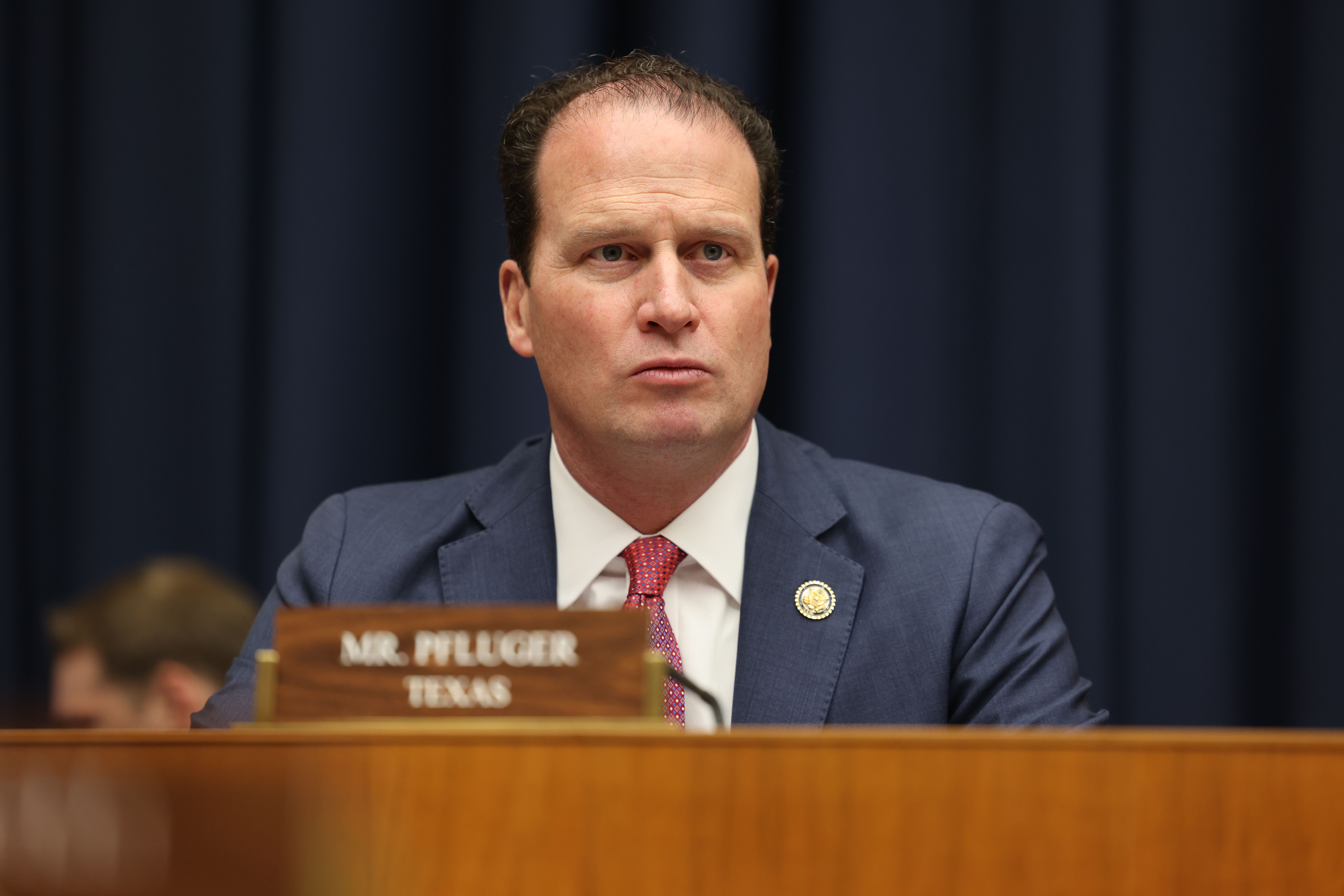
Congressman August Pfluger (TX-11): “Pipelines are the safest delivery method in the world. We appreciate what you're doing. In a state like Texas, we have almost half a million miles of pipeline that transport the vast majority of our oil and natural gas, CO2, and other things, and our national security depends on that. We’re seeing that play out with the situation in Iran, we need to continue to build out this network because it is the safest network...The ERCOT grid relies heavily on natural gas fired generation to meet the peak demand and maintain grid stability, an adequate pipeline capacity and timely infrastructure development are directly tied to reliability and affordability.”
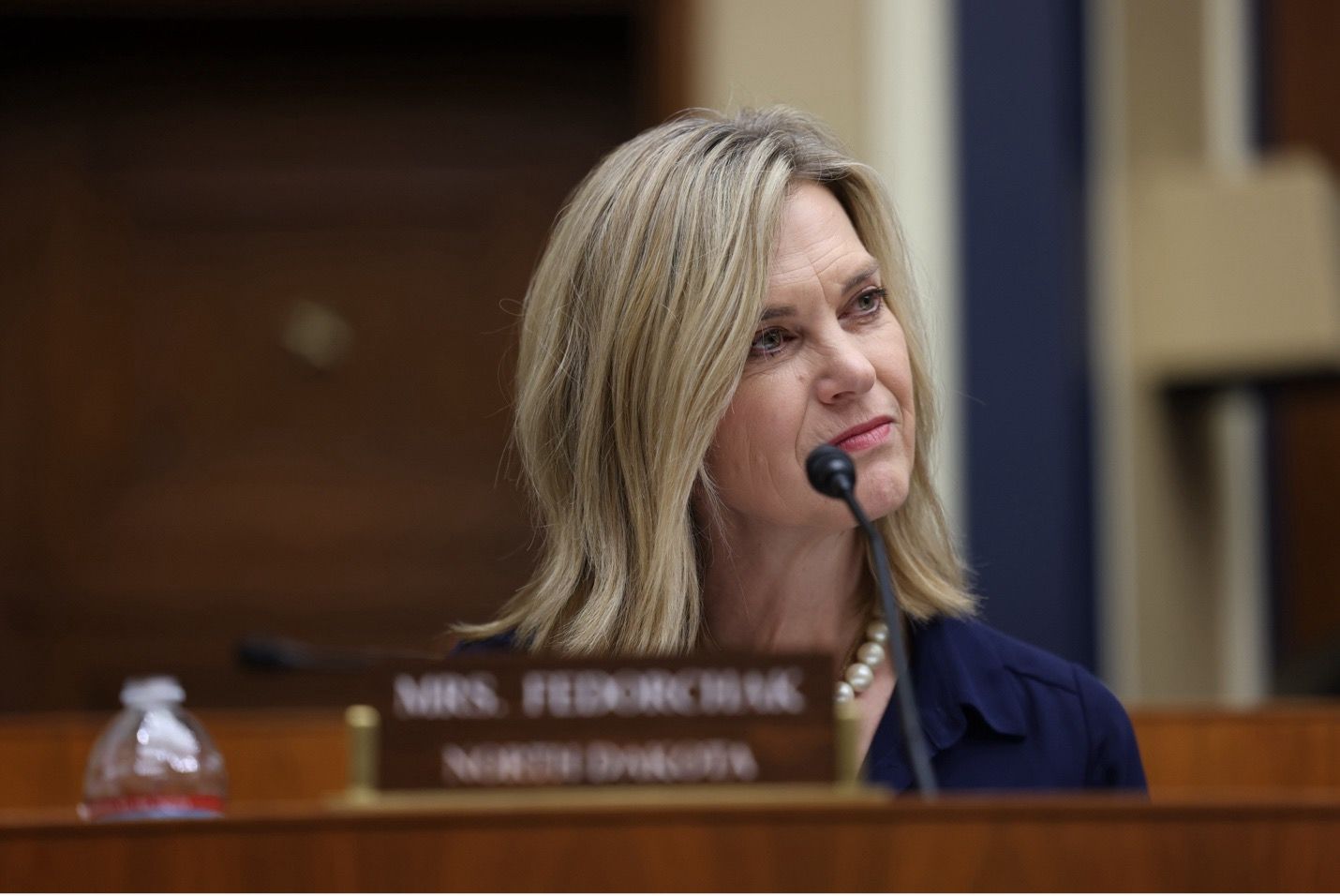
Congresswoman Julie Fedorchak (ND-AL): “Speaking about the partnership with the states, and having been a regulator, we operated on behalf of PHMSA for some of the programs. I thought it was a great way to have folks who are committed to our state and really care deeply about what happens there focus on pipeline safety. So, I think it’s a brilliant program. Tell me about the benefits of the state partnerships, and if you have enough money for that, and if you think that you could save money and have more safety by expanding that model of cooperative federalism and more state inspectors.” Administrator Roberti: “It is a great program. Our state partners cover 80% of the natural gas pipelines — the distribution pipelines. I think there’s 1.3 million miles of distribution mains, another almost a million miles of service lines. And they are front and center with their inspections. We work hard to train them, work cooperatively to share information.”

Congressman Gabe Evans (CO-08): “How do burdensome environmental regulations and climate mandates in blue states like Colorado actually prevent the safe and consistent maintenance of pipeline infrastructure?” Administrator Roberti: “Well, every time — and this is right now a state-by-state issue — many states are trying to eliminate pipelines...States that are pursuing decarbonization are saying, ‘Hold on, let’s take a time out. We won’t need these pipelines anymore.’ Unfortunately, whether the regulators or the legislators, they’re operating in a world of delusion. These pipelines will be necessary for decades to come.”
###