Environment Subcommittee Advances Seven Pieces of Legislation to Support Addressing Harmful Regulations and to Support Recycling
WASHINGTON, D.C. - Yesterday, Congressman Gary Palmer (AL-06), Chairman of the Subcommittee on Environment, led a markup of legislation to address harmful regulations on companies and to support their recycling efforts.
“The bills our Environment Subcommittee marked up yesterday support the recovery of critical minerals and materials from domestic sources,” said Chairman Palmer. “Rather than continuing to rely on adversaries such as China that dominate the critical minerals supply chain, we are taking the commonsense steps needed to safeguard our national security.”
Legislative Vote Summary:
- H.R. 2140, the Diesel Emissions Reduction Act of 2025, was forwarded to the Full Committee, by voice vote.
- H.R. 3194, the Lifting Overburdensome Commerce Obstructions and Motives (LOCOMOTIVES) Act, was forwarded to the Full Committee, by voice vote.
- H.R. 9317, the B_uses Utilizing Safety and Environmental Standards (BUSES) Act_, was forwarded to the Full Committee, by voice vote.
- H.R. 9615, the Battery Recycling for America's Competitive Economy (BRACE) Act, was forwarded to the Full Committee, as amended, by voice vote.
- H.R. 9616, the Environmental Monitoring and Remediation Technology Assessment Initiative (EMRTAI) Act of 2026, was forwarded to the Full Committee, by voice vote.
- H.R. 9617, the Coordinating and Harnessing America's Recovery of Minerals (CHARM) Act, was forwarded to the Full Committee, by voice vote.
- H.R. 9618, the Diesel Engine Flexibility (DEF) Act, was forwarded to the Full Committee, as amended, by voice vote.
Watch the full markup here.
Below are key excerpts from today's markup:
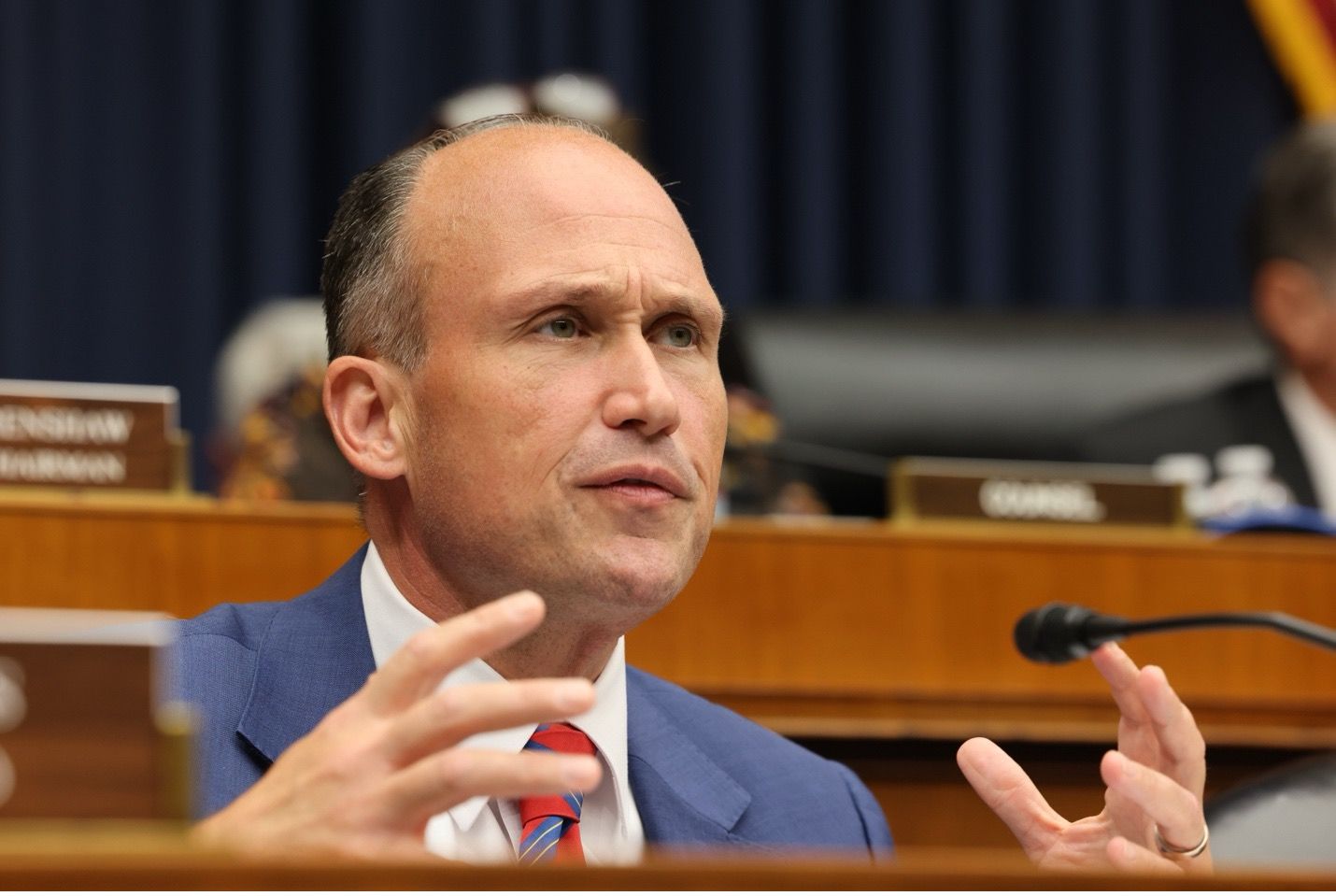
Congressman Nick Langworthy (NY-23) on H.R. 9317, the Buses Utilizing Safety and Environmental Standards Act: "Buses are one of the safest and most efficient ways to move large numbers of people. They transport children to school, connect rural communities, and support our tourism industry. They move military personnel, and they provide critical transportation for millions of Americans every single year. The rules governing these operators should reflect what actually takes place to operate a bus safely, not create unnecessary obstacles. Here's the problem: buses don't idle because drivers want to. They idle because the job requires it. Before a bus can even begin its route, federal law requires drivers to complete safety inspections. They need to maintain brake pressure, operate wheelchair lifts and other accessibility equipment, and safely board passengers with disabilities. And where I come from in western New York, keeping passengers warm during the winter is often a matter of safety, not convenience."
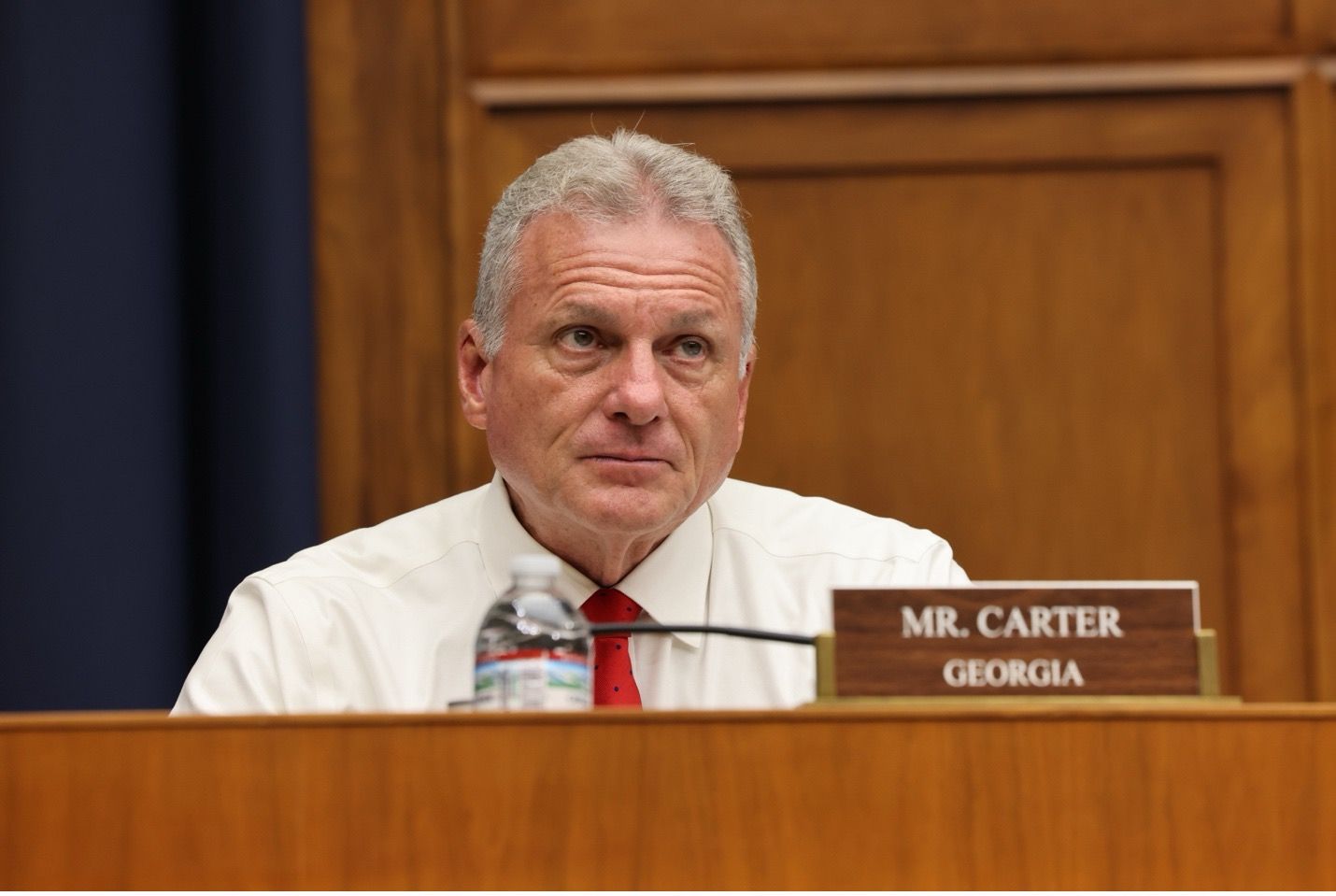
Congressman Buddy Carter (GA-01) on H.R. 3194, the Lifting Overburdensome Commerce Obstructions and Motives Act: "H.R. 3194 is a commonsense bill created in response to California's attempt to impose zero-emission locomotive mandates that would dramatically increase the prices of goods and have serious consequences for freight rail. This bill will close the loophole which allows the California Air Resources Board to request waivers from EPA that allow the state to issue overreaching mandates. These mandates would empower California to impose its policies on the national rail system and govern interstate commerce. The CARB proposal would effectively ban a large portion of the national locomotive fleet from operating in California. This would mean higher prices for consumers, and it would not lead to cleaner air quality. The fact is that California is simply rushing to green without looking at the real-world consequences of their actions."
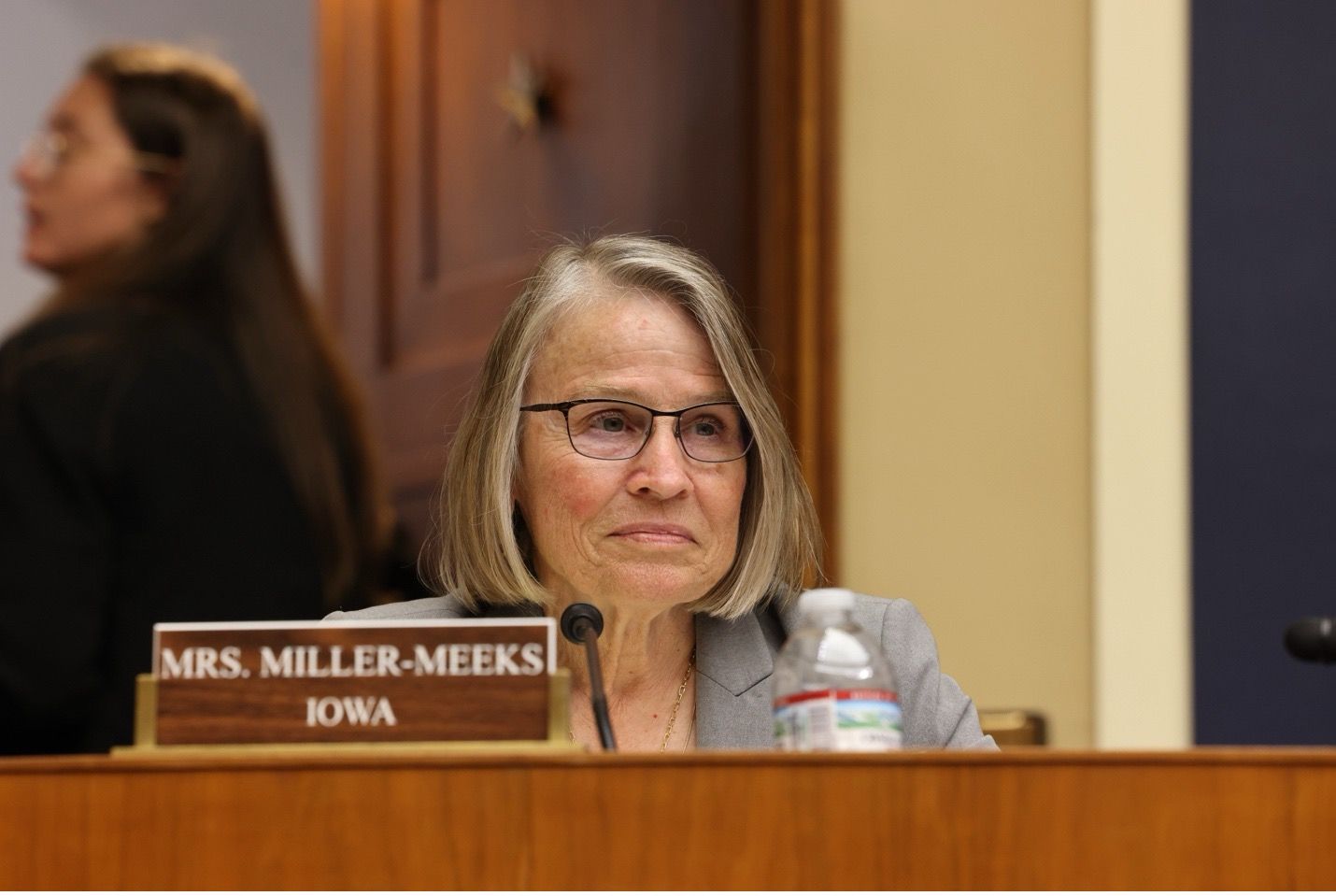
Congresswoman Mariannette Miller-Meeks, M.D. (IA-02) on H.R. 9615, the Battery Recycling for America's Competitive Economy Act: "Demand for lithium-ion batteries in the United States has grown exponentially in recent years, in large part due to demand for rechargeable batteries for energy storage systems, electric vehicles, communication devices, and other consumer goods. As more lithium-ion batteries reach the end of their life, the recycling and recovery of critical minerals from these batteries provides a tremendous opportunity for the United States to boost its supply chains for certain critical minerals. Critical minerals such as nickel, cobalt, lithium, and copper can be recovered from lithium-ion batteries. However, end-of-life batteries and scrap materials are largely sent overseas, often to China, for processing. Our subcommittee has heard testimony at two hearings that our own regulatory scheme under the Resource Conservation and Recovery Act, or RCRA, is contributing to these valuable minerals being sent overseas - and to this missed opportunity to recover critical minerals already present in our country."