Welcome to the House Committee on Energy and Commerce

E&C is at the forefront of all issues and policies powering America’s economy, including our global competitive edge in energy, technology, and health care.


The Latest

From the Committee

Dec 5, 2025
Press Release
Energy and Commerce Members Introduce Bills to Reform Clean Air Act Permitting

WASHINGTON, D.C. – Today, Congressman Brett Guthrie (KY-02), Chairman of the House Committee on Energy and Commerce, applauded the introduction of four bills that provide commonsense reforms to rein in outdated and overburdensome Clean Air Act (CAA) regulations that have stifled American manufacturing and growth without delivering promised environmental protections.

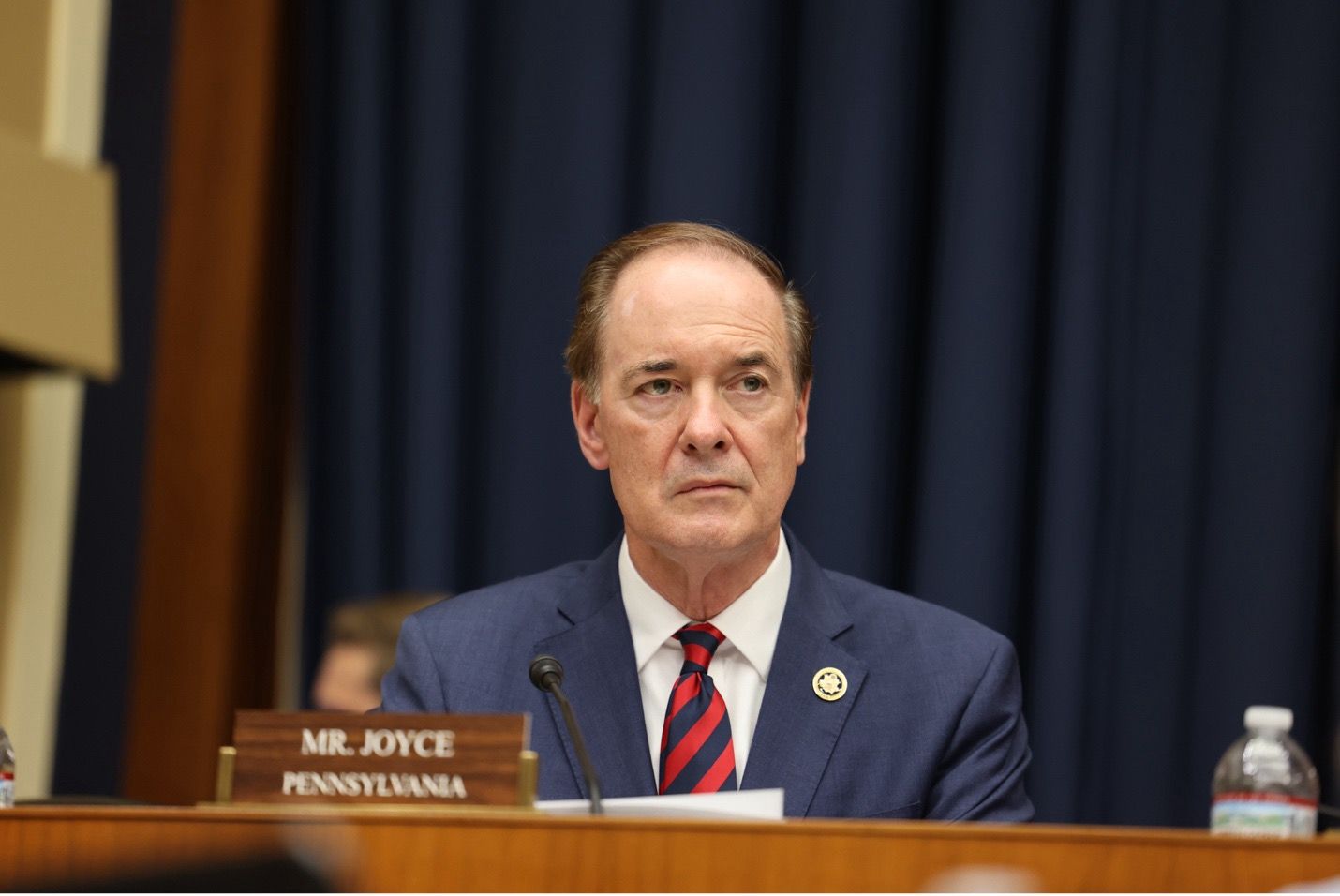
The Air Permitting Improvements to Protect National Security Act, led by Chairman Gary Palmer (AL-06), the Reducing and Eliminating Duplicative Environmental Regulations (RED Tape) Act, led by Congressman John Joyce, M.D. (PA-13), the Foreign Emissions and Nonattainment Clarification for Economic Stability (FENCES) Act, led by Congressman August Pfluger (TX-11), and the Fire Improvement and Reforming Exceptional Events (FIRE) Act, led by Congressman Gabe Evans (CO-08), address excessive regulatory red tape under the CAA that creates bottlenecks, delays investment, and slows our nation’s ability to compete with China.

“Meaningful permitting reform cannot be accomplished without modernizing the Clean Air Act. Our Committee is working to end the suffocating regulatory state that the Biden-Harris Administration sought to entrench, ultimately halting manufacturing and driving investments overseas,” said Chairman Guthrie. “These bills will cut through the red tape that has hurt American businesses and workers, while still ensuring strong air quality protections. If we want to win the AI race against China, deepen our global leadership in advanced manufacturing, and continue onshoring more investment, we will need to be able to build the needed infrastructure, facilities, and power generation—these bills will help us to achieve these goals. Thank you to Chairman Palmer, Chairman Joyce, Congressman Pfluger, and Congressman Evans for leading the introduction of these important bills.”

“Manufacturing and critical mineral facilities that are essential to our economic stability and national security are currently being delayed due to permitting gridlock caused by burdensome regulations,” said Chairman Palmer. “This amendment to the Clean Air Act is long overdue. It’s time we remove unnecessary roadblocks so that we can adequately support domestic production while also ensuring we are protecting future generations’ environment and quality of life.”

“Simply stated, more efficient project approvals will create new Pennsylvania jobs,” said Congressman Joyce, M.D.I’m proud to introduce the RED Tape Act and offer a commonsense solution to eliminate redundant federal approvals that delay economic growth and job creation.”

“American companies are being unfairly penalized for pollution originating outside the United States. We’ve seen how even the mention of a nonattainment designation, like when the Biden EPA threatened to redesignate the Permian Basin, can create significant uncertainty for businesses and communities,” said Congressman Pfluger. “These designations delay permits and hurt economic growth, while failing to address the very problem they are trying to solve. My bill restores commonsense by preventing the EPA from punishing states for pollution they didn’t cause – including foreign emissions, cross-state transport, wildfire smoke, and mobile-source emissions outside their control. I’m proud to lead this bill as another major step in modernizing and strengthening America’s broken permitting system.”

“A leading reason for the affordability crisis facing Coloradans is red tape around air quality permitting. When the economy is strangled under the weight of costly, poorly designed ozone attainment standards, jobs are lost, prices spike, and financial stress increases negative health outcomes,” said Congressman Evans. “Clean air is important to everyone, but Colorado jobs should not be penalized for emissions outside of their control — whether it's Canadian wildfires or Chinese pollution. My bill, the FIRE Act, is a common-sense solution that will drive down costs for working families in Colorado by clarifying that Clean Air Act benchmarks should not be used to punish jobs and hamstring the economy for things like prescribed burns or out-of-state wildfire smoke.”

Background:

Air Permitting Improvements to Protect National Security Act

  • The Clean Air Act requires pre-construction permits for major sources of emissions and pollution, but Section 173 of the Clean Air Act currently includes a provision allowing offset requirements to be waived for rocket engines or motors, which are essential for national security.  
  • This bill expands that authority to include advanced manufacturing facilities and critical minerals facilities, which are vital to strengthening America’s supply chains and national defense.  
  • Under the bill, the President may determine that an advanced manufacturing facility or a critical minerals facility is exempt from offset emissions credit requirements. An advanced manufacturing or critical mineral facility may also receive an exemption to the offset requirements if it can show offsets are not readily available and that the facility is working to maximize emissions reductions.  
  • Importantly, these facilities would still be required to meet all other Clean Air Act permitting requirements, ensuring continued environmental protections.

Reducing and Eliminating Duplicative Environmental Regulations (RED Tape) Act  

  • Under current law, the EPA conducts a second review and publicly comments on the environmental impacts of other federal agencies’ projects and regulations, even where the EPA has participated in the initial environmental review. This has created redundancy and adds a costly, duplicative, and unnecessary layer of bureaucracy. 
  • Agencies that prepare environmental impact statements already have the expertise to evaluate their own projects. Adding a full and secondary review creates duplication and delays in the system.   
  • The RED Tape Act would eliminate the EPA’s burdensome requirement to provide duplicative feedback on other agencies’ environmental impact statements under NEPA.

Foreign Emissions and Nonattainment Clarification for Economic Stability (FENCES) Act  

  • States across the country are being unfairly penalized for pollution that originates beyond U.S. borders, including from natural events like the Canadian wildfires. Under current law, states can adjust their air quality plans if foreign emissions affect their ability to meet federal air standards.  
  • However, recent EPA guidance has limited permissible adjustments only to human-caused emissions, creating unnecessary hurdles for states and industries already working to comply with the Clean Air Act. 
  • The FENCES Act clarifies that all foreign emissions, whether natural or human-caused, are excluded when determining whether a state meets national air quality standards or when reviewing new facility permits. The bill also allows states to account for foreign emissions earlier in the process, rather than waiting until all other requirements are complete.

Fire Improvement and Reforming Exceptional Events (FIRE) Act  

  • The FIRE Act ensures that states are not punished for smoke and emissions they cannot control, while still maintaining strong environmental protections. It provides clarity and predictability for air quality planning, reduces unnecessary regulatory burdens on manufacturers and communities, and rewards proactive wildfire mitigation that protects public health and improves future air quality.  
  • The legislation updates Section 319(b) of the Clean Air Act to clarify how emissions from wildfires, prescribed burns, and other exceptional events are treated in federal air quality reviews. It strengthens states’ coordination with the EPA to ensure timely, transparent exceptional-event determinations.

###


More News & Announcements


Dec 3, 2025
Markups

E&C Advances Fifteen Bills to the Full House of Representatives

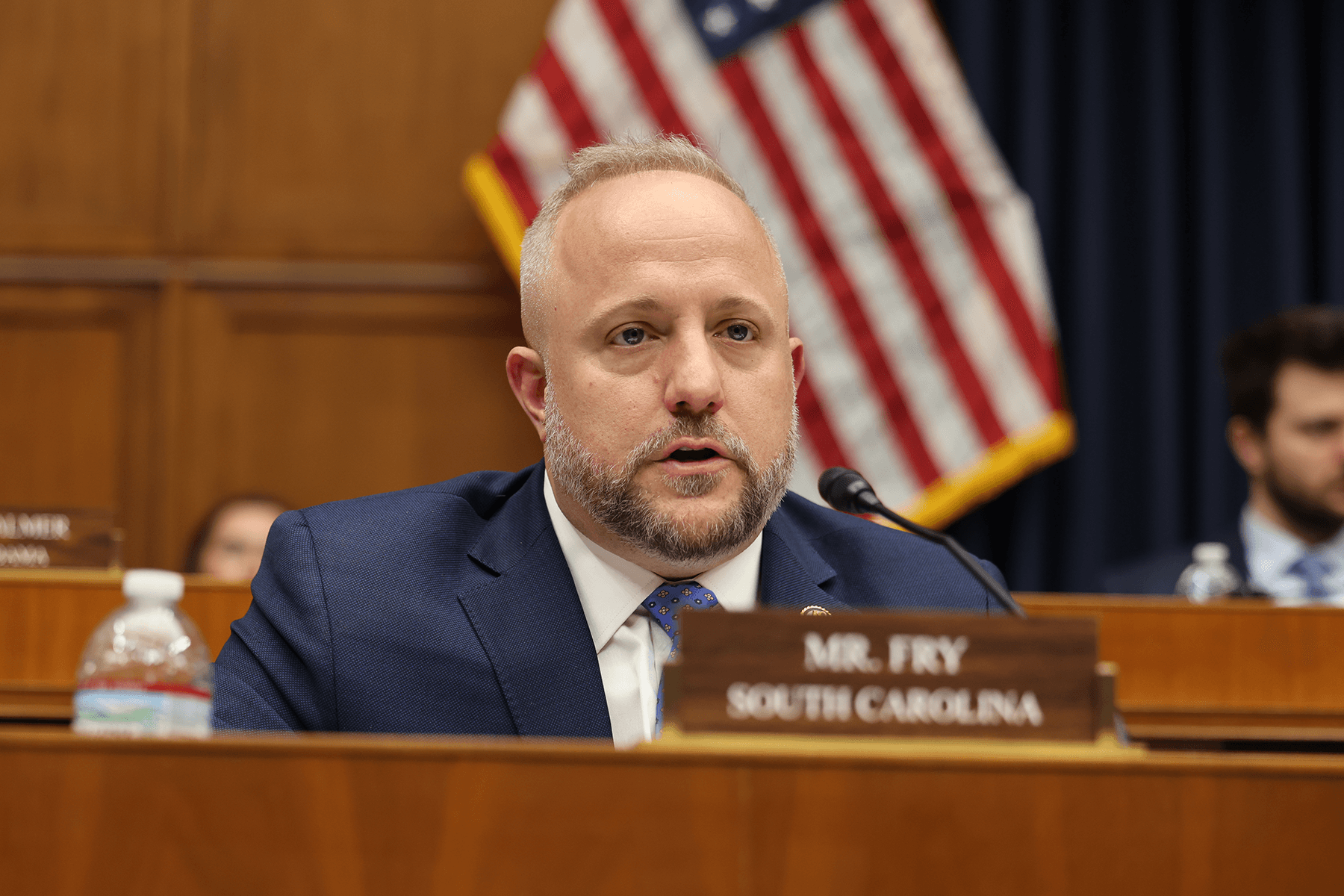
WASHINGTON, D.C. – Today, the House Committee on Energy and Commerce, led by Chairman Brett Guthrie (KY-02), reported fifteen pieces of legislation to the full House of Representatives. “Under the Biden-Harris Administration, the Department of Energy issued efficiency regulations for nearly every appliance in American households. Energy efficiency is important as a general matter, but it’s a major problem when regulations are drafted to meet arbitrary standards despite diminishing returns on actual, cost-effective gains in efficiency,” said Chairman Guthrie. “Closing the digital divide and expanding access to reliable broadband will further drive American wireless and AI leadership. I see this first-hand in parts of my district that still lack the service they need to take full advantage of the digital economy.” Legislative Vote Summary: H.R. 1343 , Federal Broadband Deployment Tracking Act, was reported to the full House by a roll call vote of 49 yeas – 0 nays. H.R. 1588 , Facilitating DIGITAL Applications Act, was reported to the full House by a roll call vote of 50 yeas – 0 nays. H.R. 1665 , DIGITAL Applications Act, was reported to the full House by a roll call vote of 51 yeas – 0 nays. H.R. 1681 , Expediting Federal Broadband Deployment Act, was reported to the full House by a roll call vote of 51 yeas – 0 nays. H.R. 1731 , Standard FEES Act, was reported to the full House by a roll call vote of 49 yeas – 0 nays. H.R. 6046 , Broadband and Telecommunications RAIL Act, was reported to the full House by a roll call vote of 51 yeas – 0 nays. H.R. 2289 , American Broadband Deployment Act of 2025, was reported to the full House by a roll call vote of 26 yeas – 24 nays. H.R. 3474 , Federal Mechanical Insulation Act, was reported to the full House by a roll call vote of 51 yeas – 0 nays. H.R. 3699 , Energy Choice Act, was reported to the full House by a roll call vote of 24 yeas – 21 nays. H.R. 5184 , Affordable Housing Over Mandating Efficiency Standards (Affordable HOMES) Act, was reported to the full House by a roll call vote of 30 yeas – 16 nays. H.R. 4690 , Reliable Federal Infrastructure Act, was reported to the full House by a roll call vote of 27 yeas – 21 nays. H.R. 4593 , Saving Homeowners from Overregulation With Exceptional Rinsing (SHOWER) Act, was reported to the full House by a roll call vote of 28 yeas – 20 nays. H.R. 4758 , Homeowner Energy Freedom Act, was reported to the full House by a roll call vote of 25 yeas – 21 nays. H.R. 4626 , Don’t Mess With My Home Appliances Act, was reported to the full House by a roll call vote of 26 yeas – 22 nays. H.R. 1355 , Weatherization Enhancement and Readiness Act of 2025, was reported, as amended, to the full House by a roll call vote of 50 yeas – 0 nays. Watch the full markup here . Below are key excerpts from today’s markup: Congressman Buddy Carter (GA-01) on the American Broadband Deployment Act of 2025: “This bill brings together proposals from my Republican colleagues to cut red tape and speed broadband deployment. It streamlines approvals for new infrastructure by ensuring fees reflect actual cost, setting clear and timely permitting deadlines, and giving providers relief if they are wrongfully denied access. [...] These reforms will accelerate investment, lower barriers, and help connect all Americans.” Congressman Rick Allen (GA-12) on the Don’t Mess With My Home Appliances Act: “Under the guise of energy efficiency, the Biden-Harris Administration waged a four-year war on domestic fossil energy and consumer choice. And it was American families that that paid the price. From gas stoves, refrigerators, freezers, washers, dryers, dishwashers, and air conditioners, no household appliance was off limits in their pursuit of a radical rush to green agenda. And we can't allow that to happen again. […] These are common sense changes that will ensure certainty for manufacturers and consumers and allow consumer choice." Congressman Russell Fry (SC-07) on the SHOWER Act: “The affordability issue was caused by the Biden Administration and congressional Democrats turning a blind eye to what was happening in America when inflation rose 11%, 12%, 20%. They turned a blind eye to inflation rising faster than incomes to meet it. They turned a blind eye to a president who literally sleepwalked through his entire presidency, and the American people suffered for it."


Dec 3, 2025
Markups

Chairman Guthrie Delivers Opening Statement at Full Committee Markup

WASHINGTON, D.C . – Congressman Brett Guthrie (KY-02), Chairman of the Committee on Energy and Commerce, delivered the following opening statement at today’s markup of fifteen bills. Chairman Guthrie’s opening statement as prepared for delivery: “Thank you all for being here this morning as we consider vital legislation to support connectivity, address burdensome regulations, and lower costs for Americans. “Across the country, Americans are confronting the issue of affordability. Today, our Committee will aim to improve consumer choice, secure our grid, and lower prices for the communities we represent. “For example, the Homeowner Energy Freedom Act would help address home affordability by repealing several costly programs from the mis-named Inflation Reduction Act. “Under the Biden-Harris Administration, the Department of Energy issued efficiency regulations for nearly every appliance in American households. “Energy efficiency is important as a general matter, but it’s a major problem when regulations are drafted to meet arbitrary standards despite diminishing returns on actual, cost-effective gains in efficiency. “The Don't Mess With My Home Appliances Act addresses this issue, for example, by requiring DOE to consider an appliance's full life-cycle cost, including maintenance, when determining if a new standard is justified.  “We cannot allow ill-considered standards to hurt our ability to power federal facilities, like VA hospitals. The Reliable Federal Infrastructure Act would repeal the required phase-out of fossil fuel use in federal buildings, which could jeopardize our national security. It’s essential that we don’t turn away from needed reliable and affordable baseload power sources. “Similarly, closing the digital divide and expanding access to reliable broadband will further drive American wireless and AI leadership. I see this first-hand in parts of my district that still lack the service they need to take full advantage of the digital economy. “NTIA has now signed off on nearly 30 states’ and territories’ broadband plans in the BEAD program. And with billions of dollars heading out the door to get shovels in the ground and finally close the digital divide, we must also remove other barriers to deployment. “Unpredictable timelines, expensive—and sometimes duplicative—reviews, and a lack of transparency, all contribute to deployment delays. “The bills we are marking up today put timelines on state and local permitting reviews, limit application fees, exempt certain projects from redundant environmental and historic preservation reviews, encourage federal agencies to prioritize broadband applications, and provide transparency into the opaque federal permitting-review process. “I want to thank each of the sponsors of these bills—both Republicans and Democrats—for their commitment to ensuring that every American has access to connectivity and we continue our technological leadership through AI and other exciting new technologies. “As we address the need to lower housing costs, secure our grid, and streamline broadband permitting, today’s markup is a chance to work on the issues that matter most to the American people.” ###


Dec 3, 2025
Energy

Subcommittee on Energy Holds Hearing on the Security of our Energy Infrastructure, Including the Electric Grid

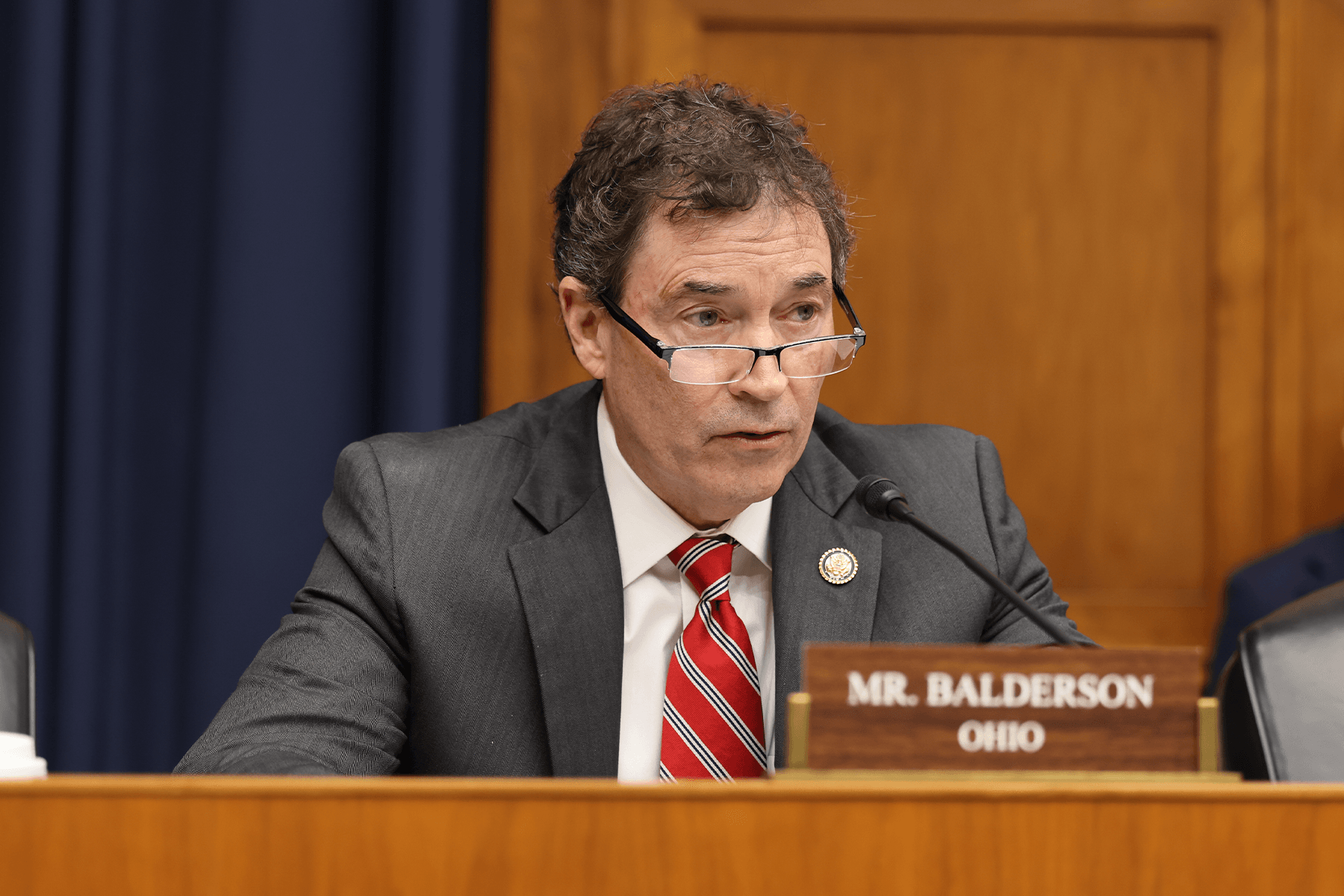
WASHINGTON, D.C. – Yesterday, Congressman Bob Latta (OH-05), Chairman of the Subcommittee on Energy, led a hearing titled Securing America’s Energy Infrastructure: Addressing Cyber and Physical Threats to the Grid . “Addressing cyber and physical threats represents another challenge to the reliable delivery of energy and power. Incapacitating the grid with cyber or physical attacks will have widespread, devastating impacts, which makes security particularly vital to our nation's security, economy, our health, and welfare,” said Chairman Latta. “Addressing these threats is difficult. The avenues for malicious attack only increase with increased digitization, and the growing linkages of gas pipelines, new generating resources, and expanded transmission.” Watch the full hearing here . Below are key excerpts from yesterday’s hearing: Congressman Troy Balderson (OH-12): “Two weeks ago, the U.S.-China Economic and Security Review Commission released their 2025 report to Congress. In this report, the commission stated that the extensive use of Chinese components in the U.S. grid creates risks for cyber espionage and sabotage. As our nation looks to increase grid resiliency and reliability in the face of historic electricity demand growth, Congress and all relevant energy stakeholders must work to reduce our reliance on foreign adversaries, such as China, to meet our energy needs.” Congressman August Pfluger (TX-11): “Mr. Ball, in your testimony, you indicated that the PRC campaigns, like Salt Typhoon and Volt Typhoon, represent the most persistent and adaptive threats targeting our infrastructure. We know that the Chinese Communist Party is actively seeking to do damage and gather intelligence. But can you describe, at an operational level, what utilities are doing differently today than has been done before to detect and to stop these campaigns, and then what gaps still exist that we need to be worried about?” Mr. Ball: “ I think the best way to describe that is that we see an industry that is evolving in its capabilities, and it’s based on awareness. We have seen a significant awakening, and I’m not saying it’s enough, but we have seen a significant awakening to the threat within our industry. And, you know, when it boils down to it, despite the sophisticated capabilities that threat actors like the PRC have, a lot of the things that make us resilient still boil down to basic practices and making yourself and our utilities more resilient. We need to continue to bolster that capability for our industry, whether it’s large ISOs or down to the municipals and cooperatives. I think you’re hearing even today how this industry is awake to that. And I think we need to continue to empower them to be able to build a more resilient system.” Congressman Nick Langworthy (NY-23): “Mr. Chairman, our witnesses know better than anyone how frequently adversaries test our defenses and target the operators who keep power flowing. As we consider these vulnerabilities, we must also recognize the broader point: cyber and physical threats don’t just expose weaknesses in the electrical system — they highlight the danger of relying on a single source of energy. When states or cities adopt policies that eliminate natural gas or restrict access to other fuels, they don’t just limit consumer choice — they reduce resiliency. Electricity is essential, but it only works when the grid is functioning. If a cyberattack or a physical incident takes the grid offline, everything that depends on electricity stops. Natural gas and propane, however, can be delivered directly to the home or facility and continue to operate independently of the electrical grid. They provide heat, hot water, cooking capabilities, and even fuel for backup generators during an outage. These fuels don’t replace electricity, but they give families, hospitals, and emergency services a critical lifeline when the grid is down. Removing these options leaves communities with only one energy source to rely on — and one point of failure.”   ###


Trending Subcommittees

Commerce, Manufacturing, and Trade


8 Updates

Interstate and foreign commerce, including all trade matters within the jurisdiction of the full committee; consumer protection, including privacy matters generally; data security; motor vehicle safety; regulation of commercial practices (the Federal Trade Commission), including sports-related matters; consumer product safety (the Consumer Product Safety Commission); product liability; and regulation of travel, tourism, and time. The Subcommittee’s jurisdiction can be directly traced to Congress’ constitutional authority “to regulate Commerce with foreign nations, and among the several States, and with the Indian Tribes.”


Communications & Technology


4 Updates

Electronic communications, both Interstate and foreign, including voice, video, audio and data, whether transmitted by wire or wirelessly, and whether transmitted by telecommunications, commercial or private mobile service, broadcast, cable, satellite, microwave, or other mode; technology generally; emergency and public safety communications; cybersecurity, privacy, and data security; the Federal Communications Commission, the National Telecommunications and Information Administration, the Office of Emergency Communications in the Department of Homeland Security; and all aspects of the above-referenced jurisdiction related to the Department of Homeland Security.


Energy


11 Updates

National Energy Policy, energy infrastructure and security, energy related Agencies and Commissions, all laws, programs, and government activities affecting energy matters. National Energy Policy focuses on fossil energy; renewable energy; nuclear energy; energy conservation, utility issues, including but not limited to interstate energy compacts; energy generation, marketing, reliability, transmission, siting, exploration, production, efficiency, cybersecurity, and ratemaking for all generated power. Energy infrastructure and security focuses on pipelines, the strategic petroleum reserve, nuclear facilities, and cybersecurity for our nation’s grid. Our jurisdiction also includes all aspects of the above-referenced jurisdiction related to the Department of Homeland Security. Agencies and Commissions in our jurisdiction include: The US Department of Energy, the Nuclear Regulatory Commission; and the Federal Energy Regulatory Commission.


Recent Letters


Nov 17, 2025
Health

Chairmen Guthrie and Joyce Pen Letter to CMS Following HHS Announcement Decertifying South Florida OPO and Implementing Further Safety Guidelines for the Organ Procurement and Transplant System

WASHINGTON, D.C.  – Today, Congressman Brett Guthrie (KY-02), Chairman of the House Committee on Energy and Commerce, and Congressman John Joyce, M.D. (PA-13), Chairman of the Subcommittee on Oversight and Investigations, sent a letter to the Centers for Medicare and Medicaid Services (CMS) requesting a briefing to better understand the Department of Health and Human Services’ (HHS) recent actions and ongoing work to enhance safety within the organ procurement and transplantation system. On Thursday, September 18, 2025, the Department of Health and Human Services (HHS) announced major efforts to improve safety, transparency, and efficiency within the organ procurement and transplantation system, including the decertification of an organ procurement organization (OPO) for the first time in U.S. history. According to the announcement , the decision was made “after an investigation uncovered years of unsafe practices, poor training, chronic underperformance, understaffing, and paperwork errors.” The Committee has a history of ensuring patient safety remains the highest priority in our organ procurement and transplantation system, as evident from the Committee’s work last Congress on organ transplantation and donation issues as well as its oversight this Congress. As a part of its ongoing investigation, the Committee requests that CMS respond to questions, including those related to the decertification of the OPO in South Florida and the prevalence of incidents similar to those outlined in the Health Resources and Services Administration’s (HRSA) investigative report, to ensure patient safety remains a top priority. Read the full letter HERE . “While the Committee applauds efforts taken by CMS to uphold the highest standards of care to which all OPOs are expected to adhere, HHS’s announcement decertifying the Life Alliance Organ Recovery Agency illustrates the urgency of this moment and why the subcommittee is not finished with our oversight of the organ transplant system,” said Chairmen Guthrie and Joyce. “It is our moral obligation as members of Congress to establish safeguards and prevent these harmful practices from persisting further, and we look forward to obtaining answers from the agency about the prevalence of these incidents, as well as how CMS plans to proceed with prioritizing patient safety first and foremost.” Background: During the 118th Congress, the Committee on Energy and Commerce led the passage of the Securing the U.S. Organ Procurement and Transplantation Network Act to both modernize the Organ Procurement and Transplantation Network (OPTN) and allow HRSA to institute a competitive contracting process to find the best contractors for various OPTN functions. This legislation was signed into law on September 22, 2023.  On March 20, 2024, the Committee launched an investigation into the organ procurement and transplantation system by sending a letter to United Network for Organ Sharing (UNOS) requesting information related to concerns surrounding data security and operability, patient safety and equity, and conflicts of interest.   On March 20, 2024, the Committee also sent a letter to HRSA requesting information related to implementation of the Securing the U.S. Organ Procurement and Transplantation Network Act as well as other concerns related to effective oversight and management.  On September 11, 2024, the Subcommittee on Oversight and Investigations held a hearing that focused on the implementation of reforms at the OPTN, including the need for stronger oversight and accountability as well as ongoing patient safety concerns.  During the hearing, questions were raised related to allegations of mismanagement and patient safety concerns after patients began exhibiting signs of increased neurologic function after being previously deemed suitable as an organ donation candidate. Several of these allegations, particularly those related to patient safety, were later substantiated through the findings contained in HRSA’s March 2025 report.  On March 24, 2025, HRSA’s Division of Transplantation issued a report that summarized the findings of its investigation into KYDA, the OPO now known as Network for Hope, which serves Kentucky and parts of Ohio, West Virginia, and Indiana.   HRSA’s investigation examined an “index case” and an additional 351 unique cases of authorized, not recovered (ANR) patients. This means that the patients were considered for donation after circulatory death recovery, but no organs were transplanted. The report showed that nearly 30 percent of the cases “had concerning features.” The concerning features included problems with patient-family interactions, medical assessments and team interactions, recognition of high neurologic function, and recognition and documentation of drugs in records.  On May 28, 2025, HRSA issued a corrective action plan to the OPTN, which directed the OTPN to take specific actions within a specified period of time, including developing a 12-month OPTN monitoring plan for KYDA to address concerns identified. The corrective action plan also requires the OPTN to propose policies for public comment to improve safeguards for potential donation after circulatory death (DCD) patients in the organ procurement process and increase information shared with patient families regarding DCD organ procurement.  On July 22, 2025, the House Committee on Energy and Commerce’s Subcommittee on Oversight and Investigations held a hearing examining concerning practices within our nation’s organ procurement and transplant system that were identified by HRSA’s investigation.  On September 12, 2025, the Committee sent a bipartisan letter to HRSA requesting a briefing on its ongoing oversight of patient safety in our nation’s organ procurement and transplant system. ###


Nov 14, 2025
Environment

Chairmen Joyce and Palmer Send Letter to GAO Requesting Information on Alternatives to Critical Minerals Supply Chain

WASHINGTON, D.C. – Yesterday, Congressman John Joyce, M.D. (PA-13), Chairman of the Subcommittee on Oversight and Investigations, and Congressman Gary Palmer (AL-06), Chairman of the Subcommittee on Environment, sent a letter to Gene Dodaro, the Comptroller General of the Government Accountability Office (GAO), requesting an assessment of available or emerging technologies and materials that could be used to supplement critical minerals in semiconductors. “Critical minerals such as lithium, cobalt, and rare earth elements are essential for technologies used in many sectors of the economy, including energy, transportation, national defense, health care, and consumer electronics,” said Chairmen Joyce and Palmer . “These minerals are vulnerable to supply-chain disruptions for several reasons, including U.S. reliance on foreign sources, as well as the rapid growth in demand for critical minerals in the U.S. and abroad.” CLICK HERE to read the full letter. The letter asks the GAO to examine: The status of domestic technologies and supplemental materials, such as critical minerals found in mine waste, tailings, or reclaimed from end-of-life batteries and electronic waste, that can serve as substitutes for foreign-sourced critical minerals from non-allied nations needed for semiconductors and energy grid or power electronics, including impacts on material and product performance. Key technological challenges to the development or adoption of these domestic supplemental and materials to advance the diversification of U.S. critical mineral sources. BACKGROUND: In May, the Subcommittee on Oversight and Investigations held a hearing on ways to enhance our critical mineral supply chains. Energy and Commerce Committee Republicans are committed to strengthening our critical mineral supply chains and finding solutions to reduce our reliance on foreign sources, particularly when it comes to foreign adversaries like China. The Trump Administration has also worked hard to bolster these supply chains. Critical minerals are essential to American technologies and industries, and finding innovative domestic solutions that can contribute to our independence from non-allied nations is essential as we work to onshore American innovation and strengthen our national security. ###


Chairmen Guthrie, Joyce, and Bilirakis Send Letter to NCAA Over Decision to Let Student Athletes Gamble on Professional Sports

WASHINGTON, D.C. – Congressman Brett Guthrie (KY-02), Chairman of the House Committee on Energy and Commerce, Congressman John Joyce, M.D. (PA-13), Chairman of the Subcommittee on Oversight and Investigations, and Congressman Gus Bilirakis (FL-12), Chairman of the Subcommittee on Commerce, Manufacturing, and Trade, sent a letter to National Collegiate Athletic Association (NCAA) President Charlie Baker following the recent announcement that student athletes and athletic department staff will be allowed to bet on professional sports. KEY EXCERPTS: “The Committee on Energy and Commerce is examining the NCAA’s recent policy change permitting student athletes and athletic department staff to bet on professional sports.” [...] To assist the Committee in its oversight, we request a briefing by no later than November 13, 2025, that addresses the following: Why is the NCAA changing its policy allowing student athletes to bet on professional sports? Has the NCAA conducted any studies, analyses, or reviews of the impact of gambling on student athletes? If so, what are the results? What role did they play in the NCAA’s decision to allow student athletes to bet on professional sports? How does this change allow the NCAA, the conferences, and the member schools to better protect the integrity of college games and encourage healthy habits for student-athletes who choose to engage in betting activities on professional sports? How is the NCAA engaging with athletic conferences, member institutions, and teams to address questions and concerns about this rule change? Amid recent allegations of illegal sports betting among student athletes and concerns expressed by member institutions, is NCAA reconsidering implementation of the policy? What guardrails are in place to prevent the type of illegal sports betting activity that is allegedly occurring in the NCAA and NBA, considering that some student athletes will go on to become professional athletes? Please provide details about any fraudulent, illegal, and alleged betting practices in connection with NCAA players, coaches, and officials, including the actions of NCAA players identified in recent infraction decisions; as well as prior instances, some of which are identified above. Please describe the NCAA’s “layered integrity monitoring program,” for maintaining competition integrity and pursuing sports betting violations. What gaps, if any, are in existing regulations that allow illegal betting schemes to occur in college sports? BACKGROUND: On October 24, 2025, the Committee on Energy and Commerce launched its investigation into sports fixing and illegal gambling after the Federal Bureau of Investigation (FBI) unsealed indictments of current and former NBA players and coaches. An initial announcement stated that, effective November 1, 2025, student athletes and athletic department staff in all three NCAA divisions would be permitted to bet on professional sports. A few days before the policy change was supposed to take effect, the Division I Board of Directors voted to delay implementation of the rule change across all three divisions to November 22, 2025. A recent NCAA press release stated that “enforcement staff has opened investigations into potential sports betting violations by approximately 30 current or former men's basketball student-athletes.” CLICK HERE to read the full letter.