Health Subcommittee Holds Hearing on Department of Health and Human Services FY2027 Budget
WASHINGTON, D.C. – Today, Congresswoman Diana Harshbarger (TN-01), Vice Chair of the Subcommittee on Health, led a hearing titled The Fiscal Year 2027 Department of Health and Human Services Budget.
“As a pharmacist, I’ve seen firsthand how health challenges play out in real life—at the pharmacy counter, in rural communities, and for patients trying to navigate a system that is often too complicated and too expensive. Too often, patients walk away from needed care—not because it isn’t available, but because they can’t afford it, or because the system makes it too difficult to get the care they need,” said Vice Chair Harshbarger. “This budget outlines an ambitious agenda to improve health outcomes, modernize federal programs, and make health care more affordable and accessible. This Subcommittee looks forward to continue working with the Administration to ensure these priorities are implemented in a way that delivers real results for the American people.”
Watch the full hearing here.
Below are key excerpts from today’s hearing:
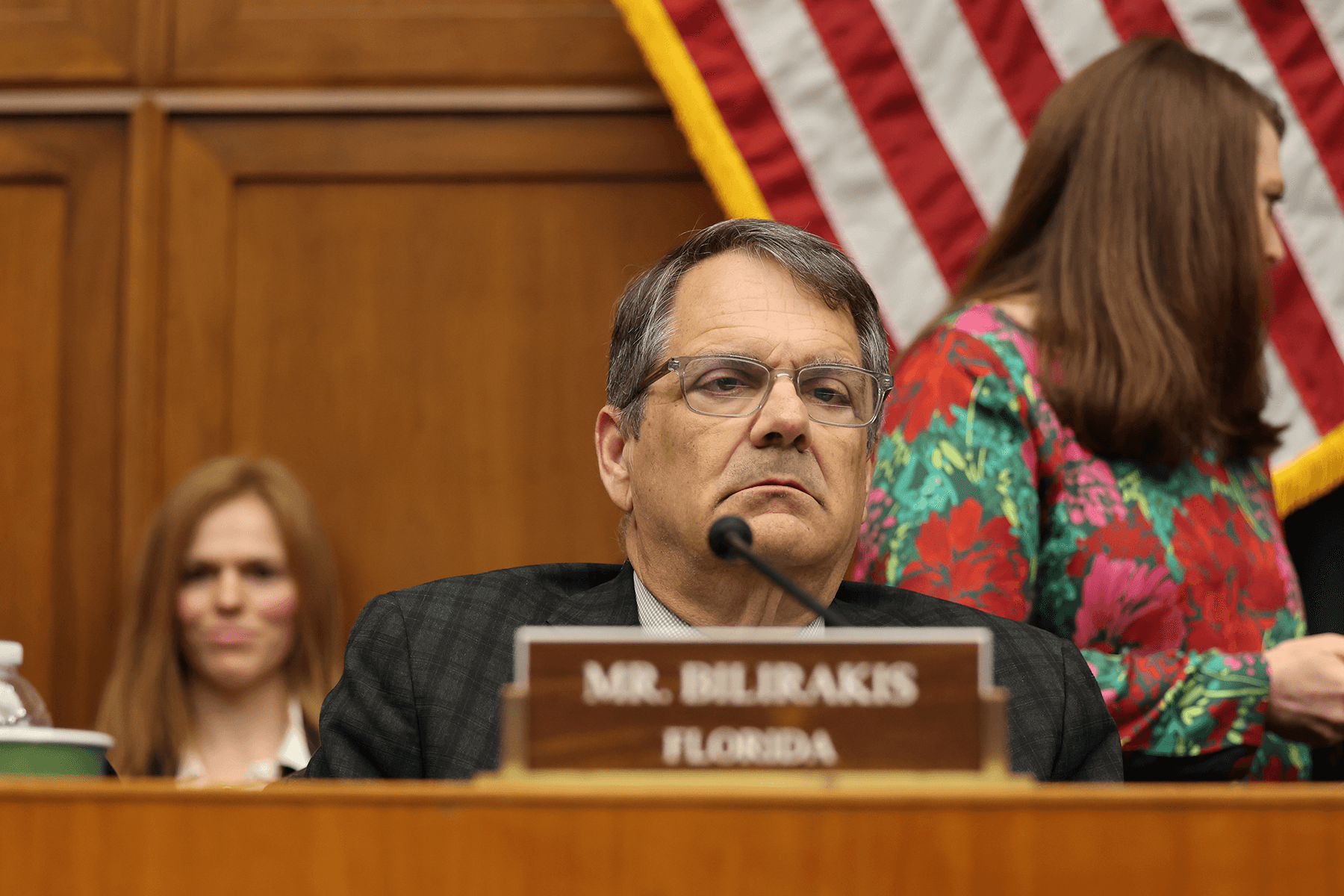
Congressman Gus Bilirakis (FL-12): “As you know, rare disease innovation is a key priority area for me. Last year, with HHS support, Congress reauthorized the FDA Pediatric Priority Review Voucher (PRV) program, a critical incentive for rare disease companies to develop pediatric treatments. I was pleased to see a legislative proposal in the president's budget this year to make the PRV program permanent, and I look forward to working with you on this proposal that will bring stability to the rare community, so thank you very much for that. Rare disease advocates were also encouraged to see the addition of two conditions to the recommended universal screening panel for heritable screen against newborn screening. What will the process look like for adding new conditions to the newborn screening panel moving forward?” Secretary Kennedy: “We added new two new diseases—Metachromatic Leukodystrophy and Duchenne Muscular Dystrophy—to the panel. We intend to add a lot more of those diseases. In addition to that, we have a new initiative called the Plausible Mechanism Pathway that will quickly facilitate new drugs getting to market—new rare disease drugs without going through clinical trials of a similar molecule has already gone through the process, and there's a plausible mechanism for approval. In addition to that, we have a Rare Pediatric [Disease] Priority Review Voucher that is going to, again, facilitate quick approval of rare disease drugs. So, this is a center focus at FDA right now. We're doing more than any administration has done in history.”
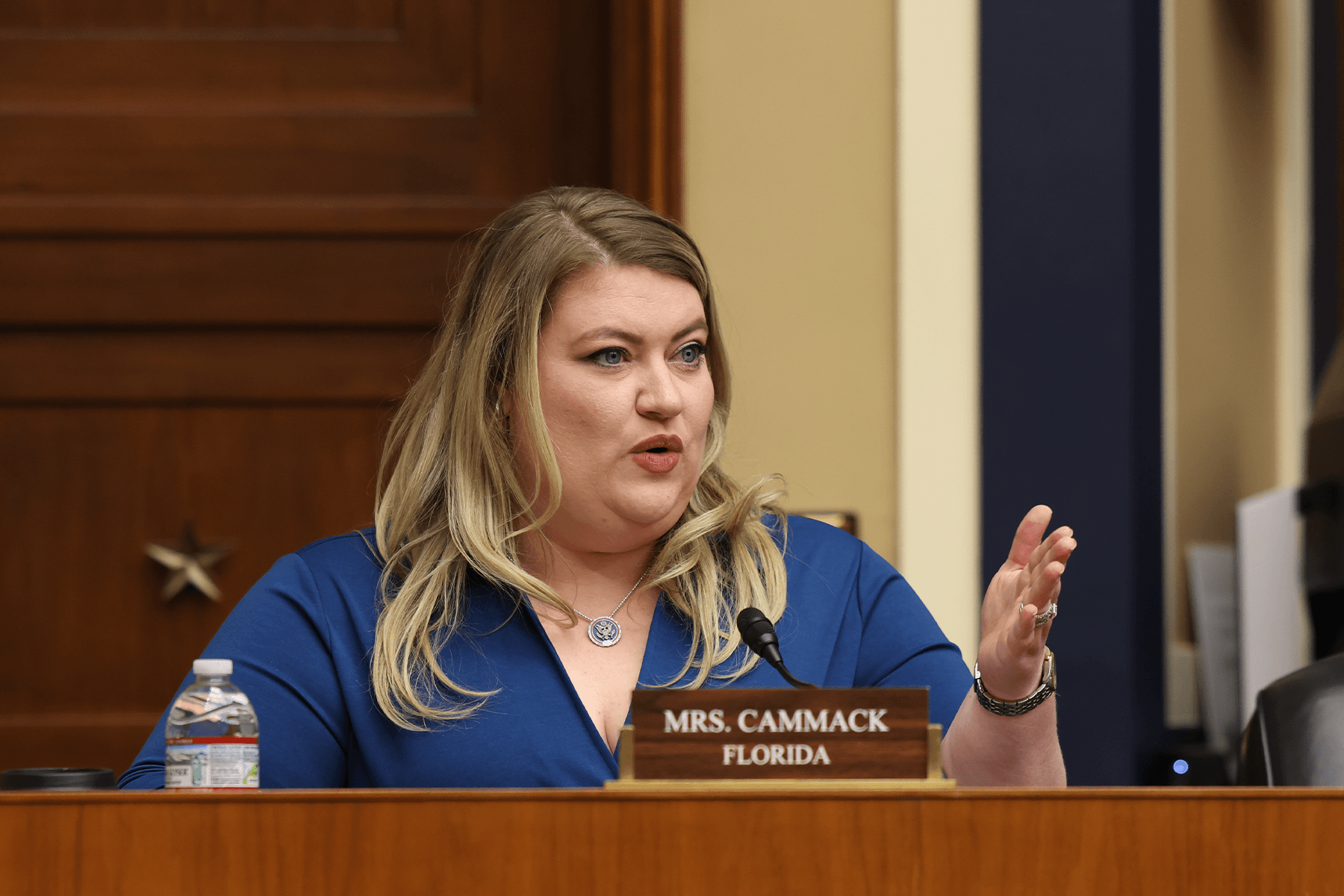
Congresswoman Kat Cammack (FL-03): “As we review the Fiscal Year 2027 Budget, Secretary Kennedy, I think it's important that we focus not just on how much we are spending, but whether or not we're actually improving health outcomes for the American people. Now, too often, we say that we have a health care system, but I personally believe that we have a “sick care” system, and we have a culture that perpetuates a system of maintenance rather than prevention. And I think much of what your initiatives do is trying to address the cultural issue, as well as the structural issues within HHS. I appreciate the Administration's focus on prevention, nutrition, innovation, and I look forward to continuing the discussion on how this budget can move us in that direction, while improving access and lowering costs.”
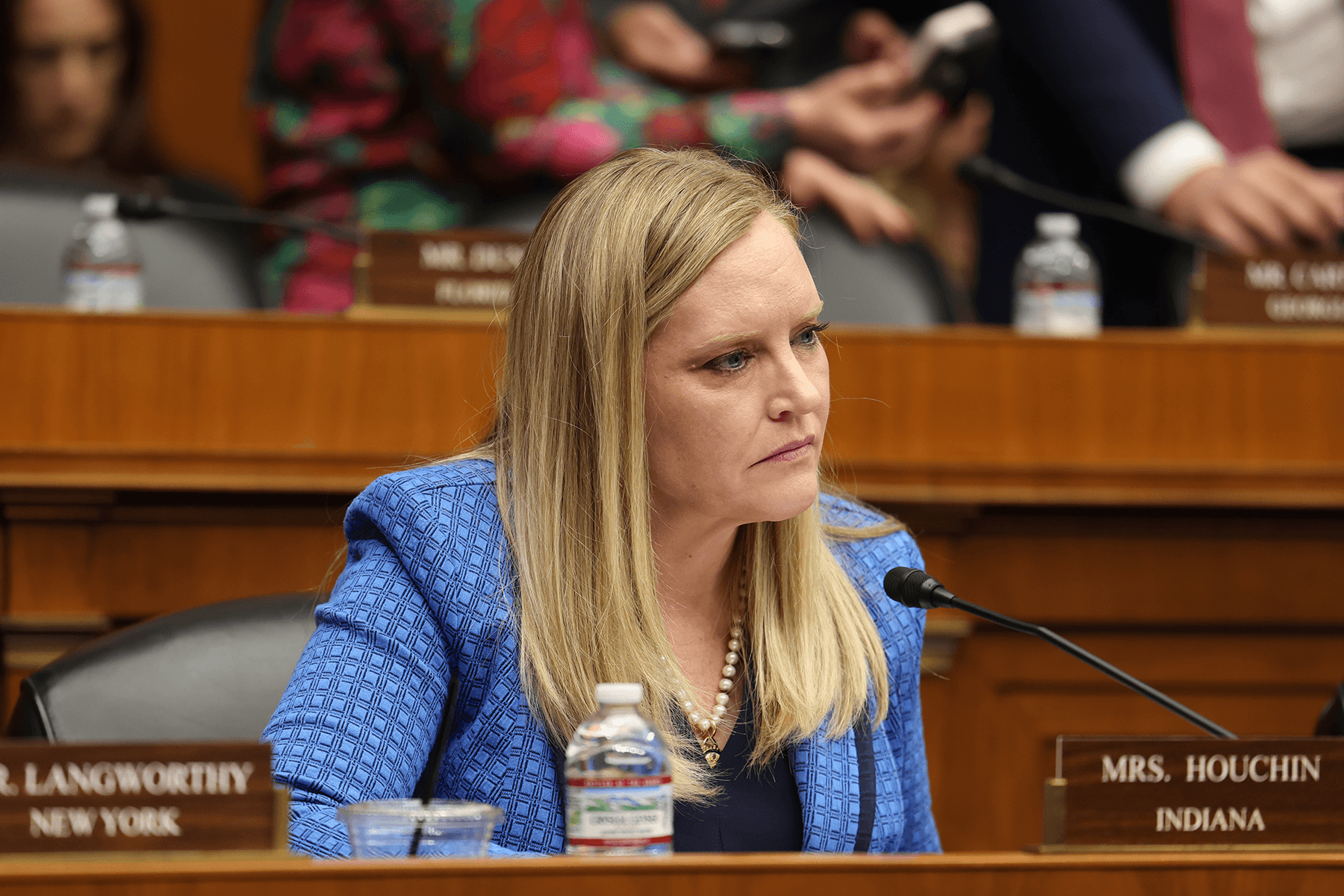
Congressman Erin Houchin (IN-09): “Areva Pharmaceuticals is a critical manufacturer of generics in my district, which I'm proud to have headquartered in Southern Indiana, and they've been manufacturing pharmaceutical products in Indiana since 2011. They're continuing their efforts to expand production to include manufacturing of raw materials. They make fludarabine phosphate, which is a key pretreatment for CAR T-cell therapy and stem cell therapy for cancer treatment. The only place they can source the precursor to make that medication is in Wuhan, China. They are facing a lengthy and complicated approval process with uncertain timelines, making it extremely difficult to expand these productions in raw materials. Mr. Secretary, what are HHS and the FDA doing to accelerate U.S. pharmaceutical domestic manufacturing of these precursors and minimizing regulatory roadblocks, while still maintaining high safety standards?” Secretary Kennedy: “And thank you for asking me that. It's been a huge stumbling block for the production of generic drugs in this country, which are the majority of drugs that we use. And we're getting them all from China and from India—almost all of them from China and India—and it is a vulnerability in our supply chains. It's a national health threat, [and] a national defense vulnerability as well, so we're doing everything that we can to ease the production pains of construction and expanding plants here and getting quick approvals. FDA has initiated a new program called the PreCheck program that fast tracks these proposals.”