Energy Subcommittee Advances Five Bills to Strengthen American Cybersecurity
WASHINGTON, D.C. – Today, Congressman Bob Latta (OH-05), Chairman of the Subcommittee on Energy, led a markup of five bills.
“Today the Energy Subcommittee marked up five bills that will update and enhance programs to help ensure the physical and cyber security of our nation’s energy infrastructure, including our electric grid,” said Chairman Latta. “These bills, two of which we have moved through the Committee in past Congresses with strong bipartisan support, also strengthen the Department of Energy’s ability to carry out its energy emergency functions.”
Legislative Vote Summary:
- H.R. 7258, Energy Emergency Leadership Act, was forwarded without amendment to the Full Committee by a voice vote.
- H.R. 7266, Rural and Municipal Utility Cybersecurity Act, was forwarded to the Full Committee, as amended, by a voice vote.
- H.R. 7257, Securing Community Upgrades for a Resilient Grid (SECURE Grid) Act, was forwarded without amendment to the Full Committee by a voice vote.
- H.R. 7272, Pipeline Cybersecurity Preparedness Act, was forwarded without amendment to the Full Committee by a voice vote.
- H.R. 7305, Energy Threat Analysis Center Act of 2026, was forwarded without amendment to the Full Committee by a voice vote.
Watch the full markup here.
Below are key excerpts from today’s markup:
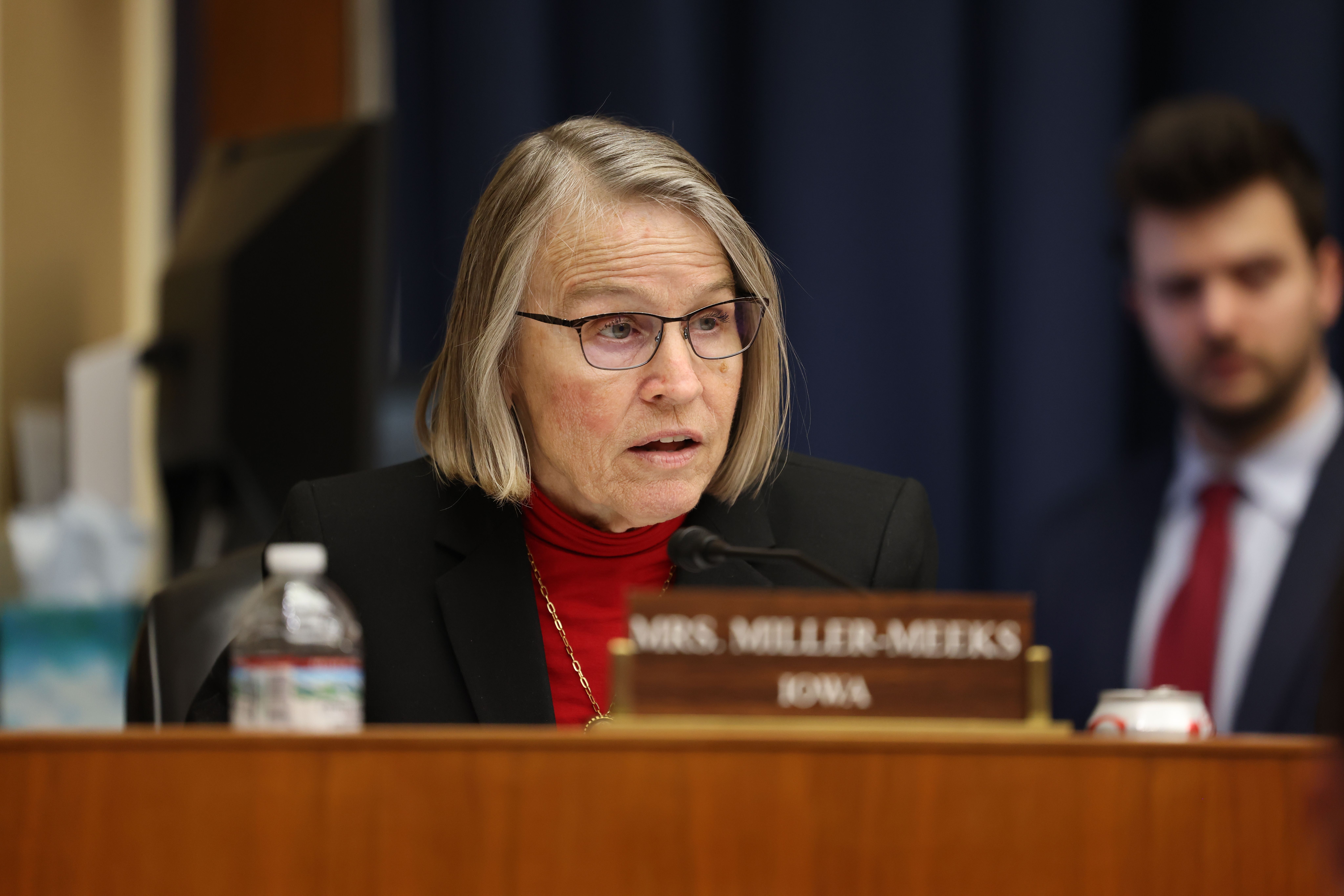
Congresswoman Mariannette Miller-Meeks (IA-01) on H.R. 7266, the Rural and Municipal Utility Cybersecurity Act: “Cyber-attacks targeting critical infrastructure have become more sophisticated and frequent. This bill ensures that rural electric cooperatives and small utilities have access to advanced cybersecurity tools, technical assistance, and grant funding to protect, detect, respond to, and recover from cyber threats. In Iowa’s First District, rural electric cooperatives serve ratepayers across our 20 counties. These cooperatives faced the same sophisticated cyber threats as major metropolitan systems but often lack the resources to defend against them. This bill ensures our local utilities have the tools they need to protect the grid that powers our homes, farms, and small businesses.”
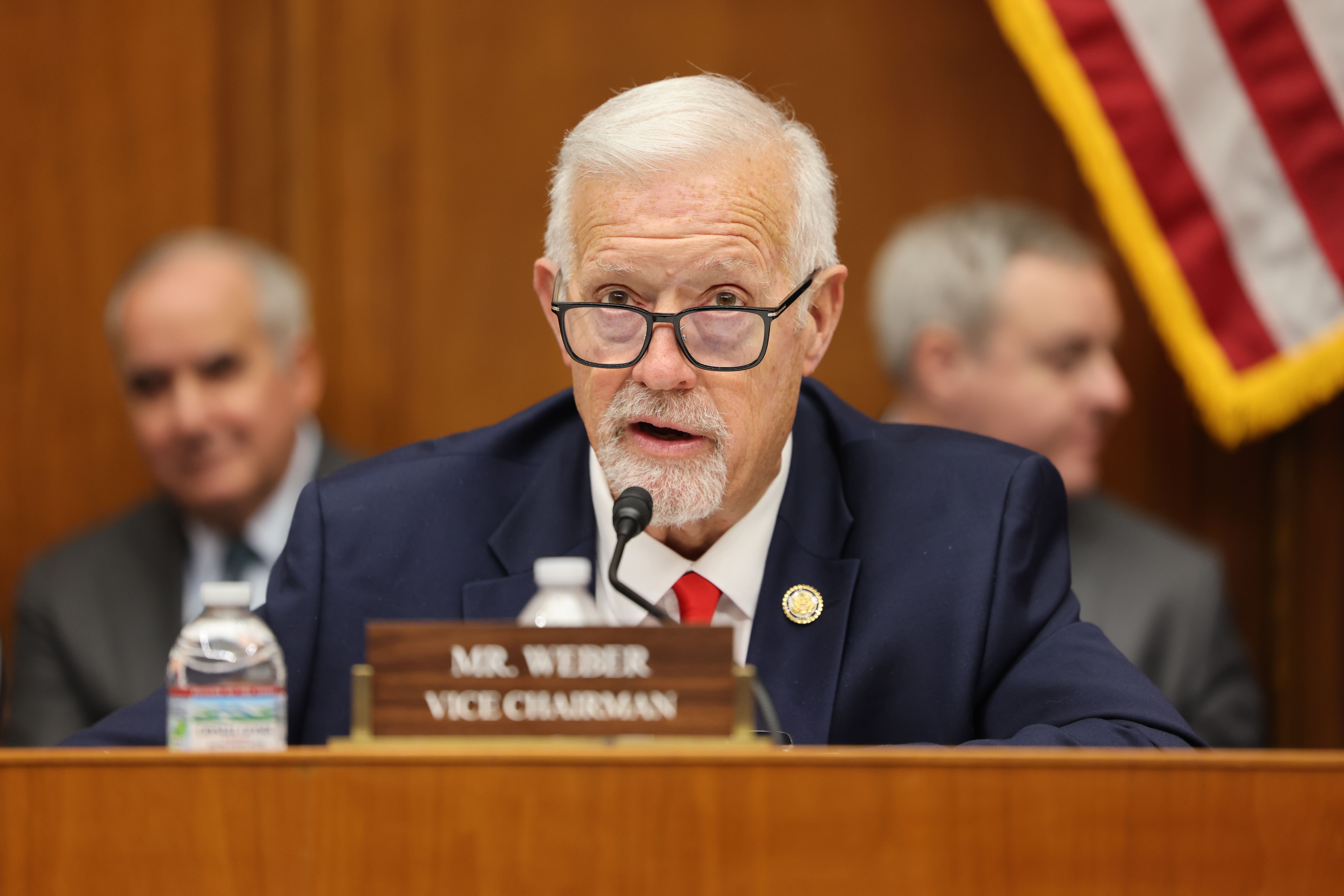
Congressman Randy Weber (TX-14) on H.R. 7272, the Pipeline Cybersecurity Preparedness Act: “H.R. 7272 would improve how the Department of Energy works with others to ensure the security and resilience of pipelines, as well as LNG facilities that our energy sector depends upon for the reliable supply of fuels and electricity. This legislation focuses on the Department of Energy’s vast technical capabilities to develop a program that improves the coordination and technical support needed to ensure timely, efficient, and effective work to secure our energy systems and respond to disruptions.”
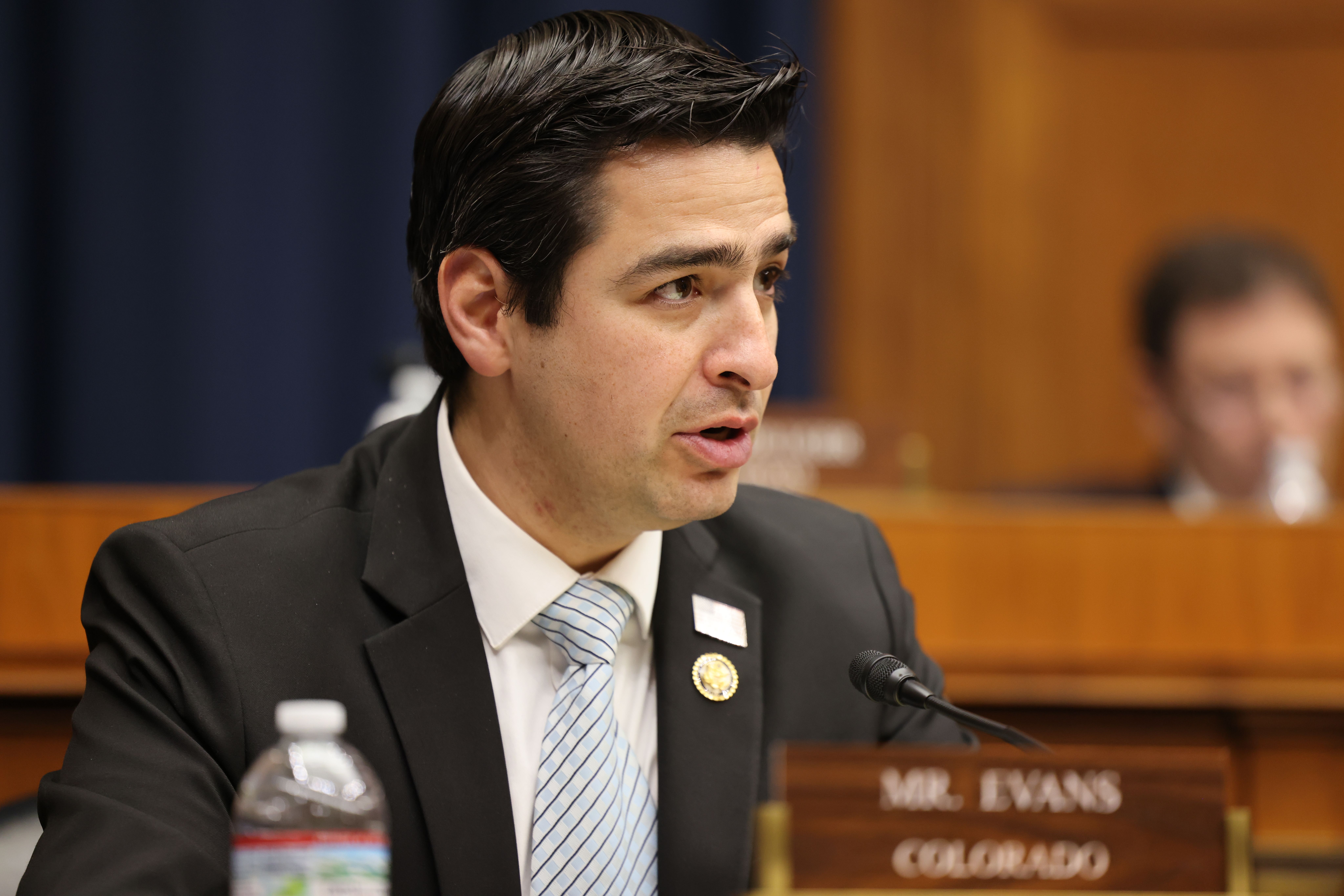
Congressman Gabe Evans (CO-08) on H.R. 7305, the Energy Threat Analysis Center Act of 2026: “It’s essential that we reauthorize ETAC. Chinese Communist Party-backed hacker groups like Volt Typhoon and Salt Typhoon have already embedded themselves in networks within critical infrastructure, and they’re operating at times undetected. Small towns and rural areas quite often don’t have the resources and the infrastructure to prevent attacks like this and are left with massive disruptions and costs when an attack occurs. These hackers are lying in wait, ready to disrupt key energy systems that are crucial to daily life, including domestic production and military readiness. The preventative work that ETAC does protects communities and our national security from attacks like these.”
###