CMT Subcommittee Holds Hearing on the Semiconductor Ecosystem and Supply Chain
WASHINGTON, D.C. – Today, Congressman Gus Bilirakis (FL-12), Chairman of the Subcommittee on Commerce, Manufacturing, and Trade, led a hearing titled Computing Power and Competition: Examining the Semiconductor Ecosystem.
“Semiconductors are the backbone of our modern economy and daily life - powering everything from vehicles and smartphones to household appliances and the advanced systems that underpin our national defense,” said Chairman Bilirakis. “Today’s hearing reinforced that vulnerabilities in the semiconductor supply chain pose real risks to both our economic stability and national security. That is why strong oversight and a resilient, secure semiconductor ecosystem are essential. As emerging technologies like artificial intelligence continue to shape the future, the United States must lead by ensuring our supply chains are dependable, our innovation base is strong, and our competitive edge remains unmatched.”
Watch the full hearing here.
Below are key excerpts from today’s hearing:
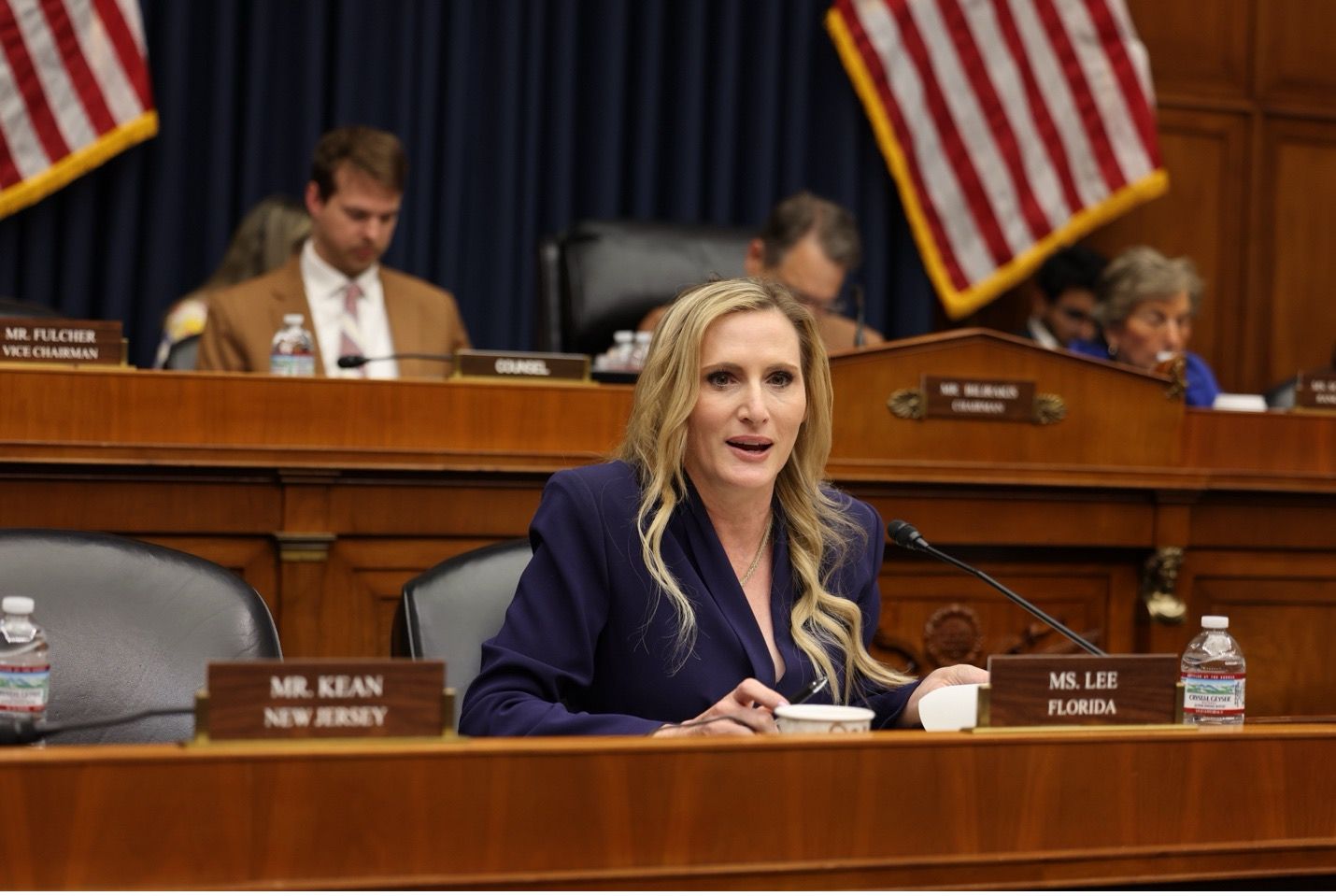
Congresswoman Laurel Lee (FL-15): “When it comes to semiconductors, U.S. leadership depends not just on investment, but on protecting our intellectual property that drives innovation and ensuring that we have the workforce to sustain it. In Florida, we are seeing that firsthand. Our state now has the fifth largest semiconductor workforce anywhere in the country, supported by growing partnerships between industry, universities and community colleges to build a strong talent pipeline. I am interested in how we can all work together to protect American innovation, compete globally, and ensure that we are building the workforce needed to compete globally in the decades ahead.”
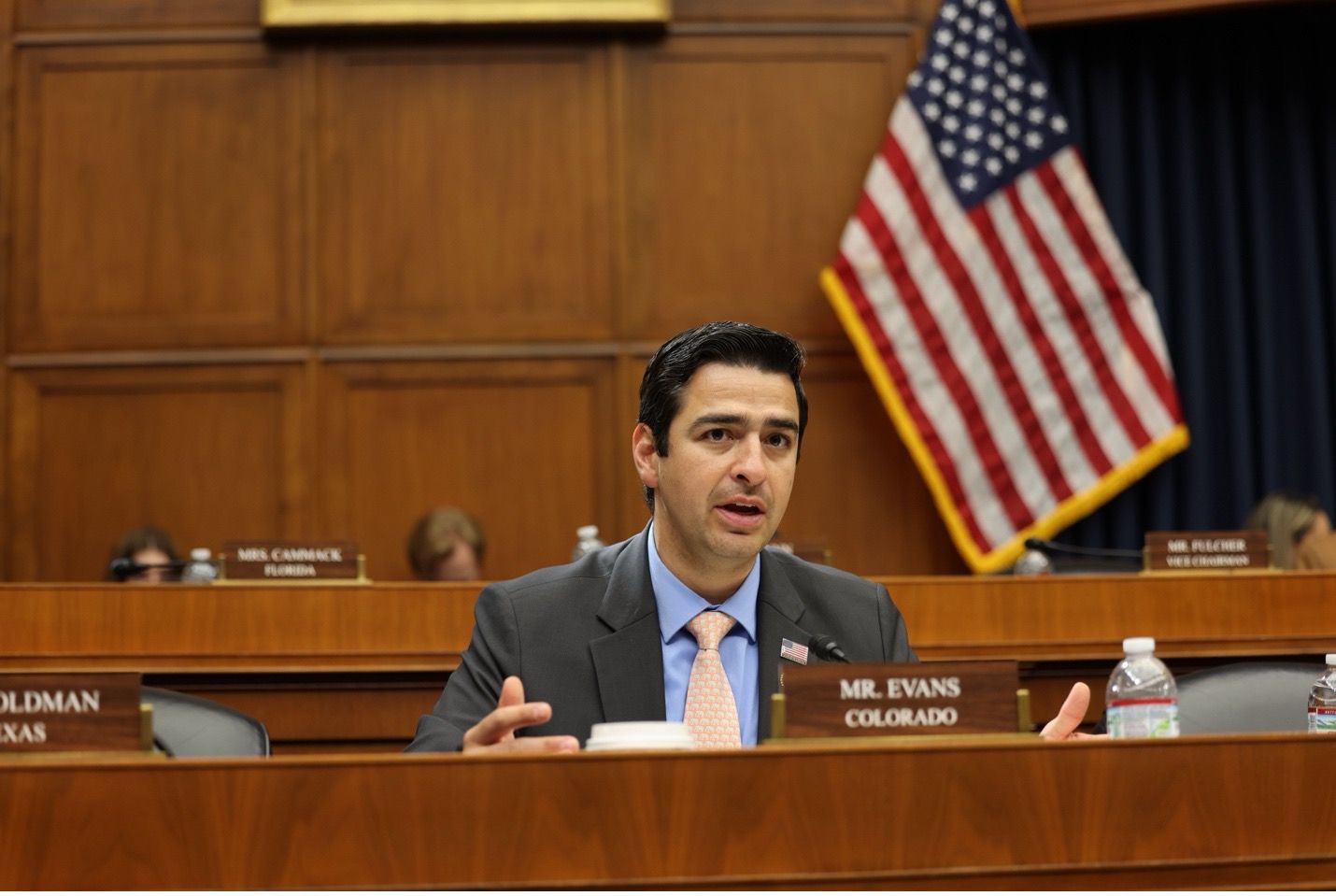
Congressman Gabe Evans (CO-08): “I used to be a U.S. Army Black Hawk helicopter pilot. Even if we make those chips in the United States, we know the Chinese are trying to hoover up all of that information. Talk about how we can protect our IP.” Mr. Grebe: “Again, we continue to protect our process IP very diligently. It is the secret sauce of how we make our money long term. And the ten-year investment that we make on R&D, we have physical security controls and IT security controls in all of our factories and all the products that we build. And we continue to test for products out in the market to make sure they're not being tampered with, that we sell them in different marketplaces.”
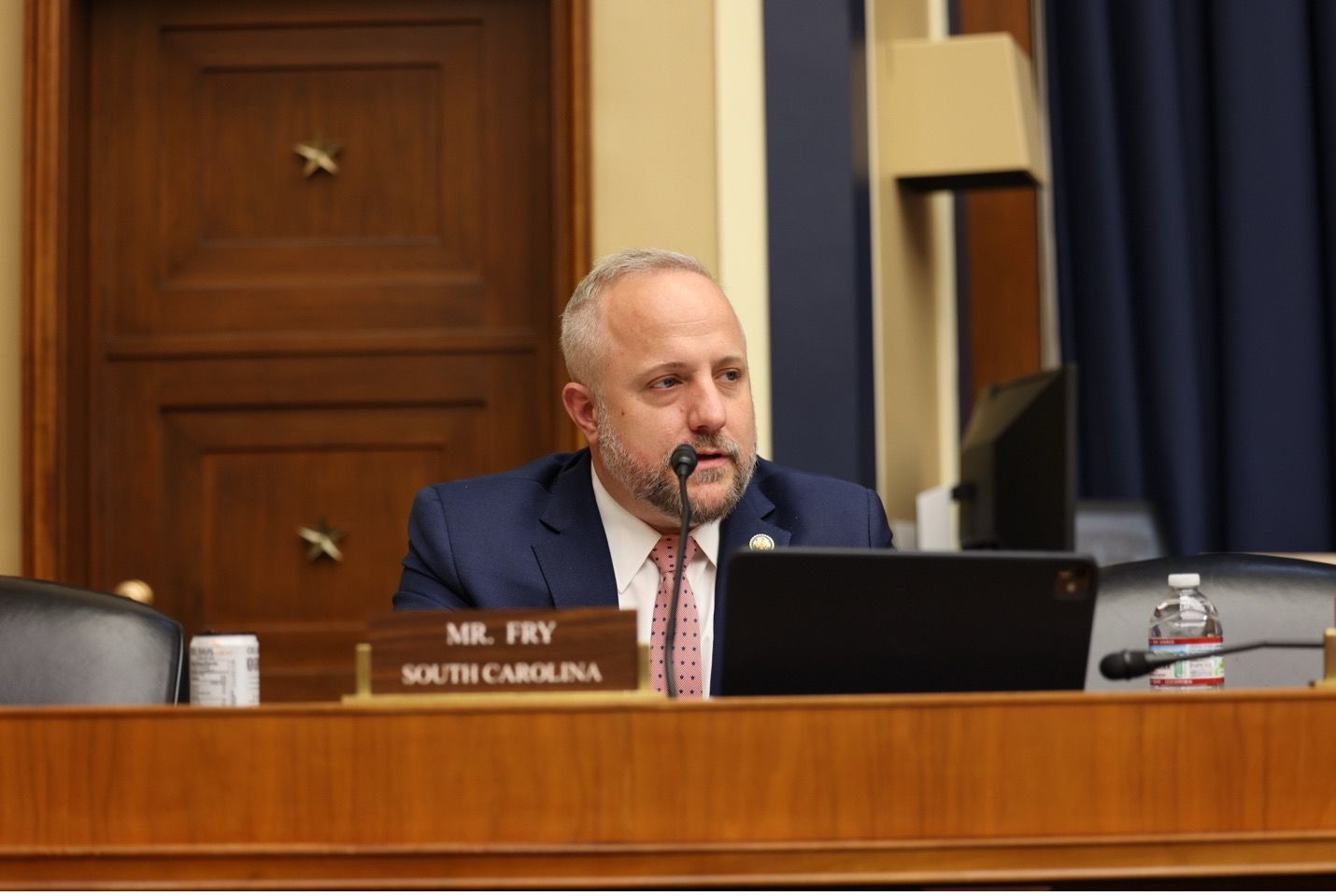
Congressman Russell Fry (SC-07): “The goal should be to expand domestic capacity, strengthen supply chains, and make sure more of the semiconductor ecosystem is built here at home. But we can't necessarily trade one policy or industry at the expense of another; we have to balance those interests for the sake of our economy, our workforce, and our global competitiveness. Mr. Oxman, everybody agrees AI is driving demand, but families in the district that I represent experience semiconductor issues through car prices, appliances, broadband equipment, electric bills... How should Congress balance frontier AI goals with everyday consumer impacts?” Mr. Oxman: “You're absolutely right that there is a great amount of market demand for semiconductors for both logic chips and memory chips today. And the good news is, the renaissance and manufacturing that we've been talking about today is designed to address that demand. It is a marketplace need for more supply, and we're absolutely working on that across the industry. I also think it's important to note that these semiconductors that we've been talking about today, in many cases, are advanced semiconductors that are going to power the AI stack of tomorrow. There are also foundational chips that we need to invest in more in the United States as well, that go into cars and appliances and washing machines and the like. And we're doing that as well. There's manufacturing happening for foundational chips at the same time.”