Welcome to the House Committee on Energy and Commerce

E&C is at the forefront of all issues and policies powering America’s economy, including our global competitive edge in energy, technology, and health care.


The Latest

From the Committee

Dec 18, 2025
Environment
Chairman Palmer Delivers Opening Statement at Environment Subcommittee Hearing on the Current Statutory and Regulatory Landscape of PFAS

WASHINGTON, D.C. – Congressman Gary Palmer (AL-06), Chairman of the Subcommittee on Environment, delivered the following opening statement at today’s hearing titled Examining the Impact of EPA’s CERCLA Designation for Two PFAS Chemistries and Potential Policy Responses to Superfund Liability Concerns.

Subcommittee Chairman Palmer’s opening statement as prepared for delivery:

“Welcome to today’s hearing before the Subcommittee on Environment. This year, we’ve revisited some of our country’s most important environmental laws and confronted emerging challenges in protecting our environment and promoted a regulatory climate that encourages innovation and economic growth.

“Among other things, we’ve identified shortcomings with the administration of the Toxic Substances Control Act that delay newer, safer chemistries from reaching consumers; explored opportunities to revitalize brownfields sites for crucial infrastructure projects; evaluated the state of technologies to improve our recycling systems; and passed common-sense Clear Air Act reforms.

“Today, we are examining EPA’s decision last year to designate two PFAS chemistries—PFOA and PFOS—as hazardous substance under the Comprehensive Environmental Response, Compensation, and Liability Act, also known as ‘CERCLA’ or the Superfund law. CERLCA was enacted in 1980 to facilitate the cleanup of the most contaminated sites around the country and to establish a scheme to hold liable for cleanup costs the parties responsible for that contamination. Superfund imposes strict, and joint and several liability on parties.

“In other words, a responsible party could be responsible for the entire cost to cleanup a contaminated site even if its contribution to the pollution was minimal. CERCLA includes exemptions as well as defenses to liability for certain parties such as ‘bona fide prospective purchasers’ and ‘innocent landowners,’ as they are referred to. However, in the context of the hazardous substance designations for PFOA and PFOS, there are concerns that the existing exemptions and defenses may not adequately protect a class of parties commonly known as ‘passive receivers’ who did not manufacture or use PFOA or PFOS, but may have acquired, used, or disposed of material containing these chemicals. Today, we will examine the impacts of potential liability for PFAS contamination on these entities. Congress has clarified and expanded liability protections before, such as by passing the Small Business Liability Relief and Brownfields Revitalization Act in 2002. We will consider how concerns about PFAS liability may deter a range of economic activities and whether changes to CERCLA, or other legislative action, are needed.

“Additionally, at our March hearing on reauthorization of the Environmental Protection Agency’s (EPA) Brownfields Program, we discussed the tremendous potential of the estimated 450,000 brownfields sites in our country for housing important infrastructure such as power generation, semiconductor manufacturing facilities, and data centers.

“We hope to examine whether concerns about liability for PFAS hinder the redevelopment of these sites.

“To this end, we welcome Susan Bodine, who previously served as Assistant Administrator for the Office of Solid Waste and Emergency Response at EPA during the George W. Bush Administration and then as Assistant Administrator for the Office of Enforcement and Compliance Assurance in the first Trump Administration, in addition to senior staff roles in both the House and the Senate.

“We are also joined by Lawrence Falbe, Chair of the International Council of Shopping Centers Environmental and Land Use Policy Committee. Mr. Falbe will share his experience on how potential PFAS contamination impacts real estate transactions for those seeking to reuse those sites.

“Next, Emily Donovan joins us a co-founder of Clean Cape Fear, a grassroots community advocacy organization focused on the presence and impact of certain PFAS in communities. We also welcome Tracy Mehan, who represents the American Water Works Association and served as EPA Assistant Administrator for Water, also during the George W. Bush Administration. I thank all of our Members and witnesses for being here, and I look forward to today’s discussion.”

###


More News & Announcements


Dec 18, 2025
Health

Chairman Guthrie Delivers Floor Remarks on the Do No Harm in Medicaid Act

WASHINGTON, D.C. – Today, Congressman Brett Guthrie (KY-02), Chairman of the House Committee on Energy and Commerce, delivered remarks on the House floor regarding H.R. 498, the Do No Harm in Medicaid Act, legislation that prohibits federal Medicaid funds from being used toward gender transition procedures for individuals under the age of 18.

Chairman Guthrie’s remarks on H.R. 498, the Do No Harm in Medicaid Act:

“I rise today in strong support of H.R. 498, the Do No Harm in Medicaid Act.

“This bill helps support our fellow hard-working Americans, whose valuable—and finite—taxpayer dollars should not continue to fund medically unnecessary care under the Medicaid Program.

“It is our duty as members of Congress to focus hard-earned taxpayer dollars on care that is medically necessary to improve the health of Americans.

“H.R. 498, the Do No Harm in Medicaid Act, does just that—prohibiting federal Medicaid dollars from going toward specified gender transition procedures for individuals under the age of 18.

“My fellow House Republicans, and particularly my colleagues on the Energy and Commerce Committee, have worked diligently this Congress to eliminate waste, fraud, and abuse in the Medicaid program through the Working Families Tax Cuts Act.

“Our goal is to eliminate unnecessary and improper spending to strengthen, secure, and sustain the Medicaid program for those who are truly among the most vulnerable populations: expectant mothers, their children, low-income seniors, and individuals with disabilities.

“CBO estimates that this bill would save taxpayers $445 million over a decade.

“I want to make it abundantly clear that this legislation, in no way, prevents minors from accessing medical care that they truly need.

“It simply prohibits the use of federal Medicaid funding on specified gender transition procedures that are medically unnecessary.

“This critical legislation builds upon our work in the Working Families Tax Cuts Act to create a more sustainable financial future for Medicaid and preserve the program for the times when people truly need to lean on it.”


Dec 18, 2025
Environment

Environment Subcommittee Holds Hearing on the Current Statutory and Regulatory Landscape of PFAS

WASHINGTON, D.C. – Today, Congressman Gary Palmer (AL-06), Chairman of the Subcommittee on Environment, led a hearing titled Examining the Impact of EPA’s CERCLA Designation for Two PFAS Chemistries and Potential Policy Responses to Superfund Liability Concerns.

“CERLCA was enacted in 1980 to facilitate the cleanup of the most contaminated sites around the country and to establish a scheme to hold liable for cleanup costs the parties responsible for that contamination. Superfund imposes strict, and joint and several liability on parties,” said Chairman Palmer. “In other words, a responsible party could be responsible for the entire cost to cleanup a contaminated site even if its contribution to the pollution was minimal.”

Watch the full hearing here

Below are key excerpts from today’s hearing:

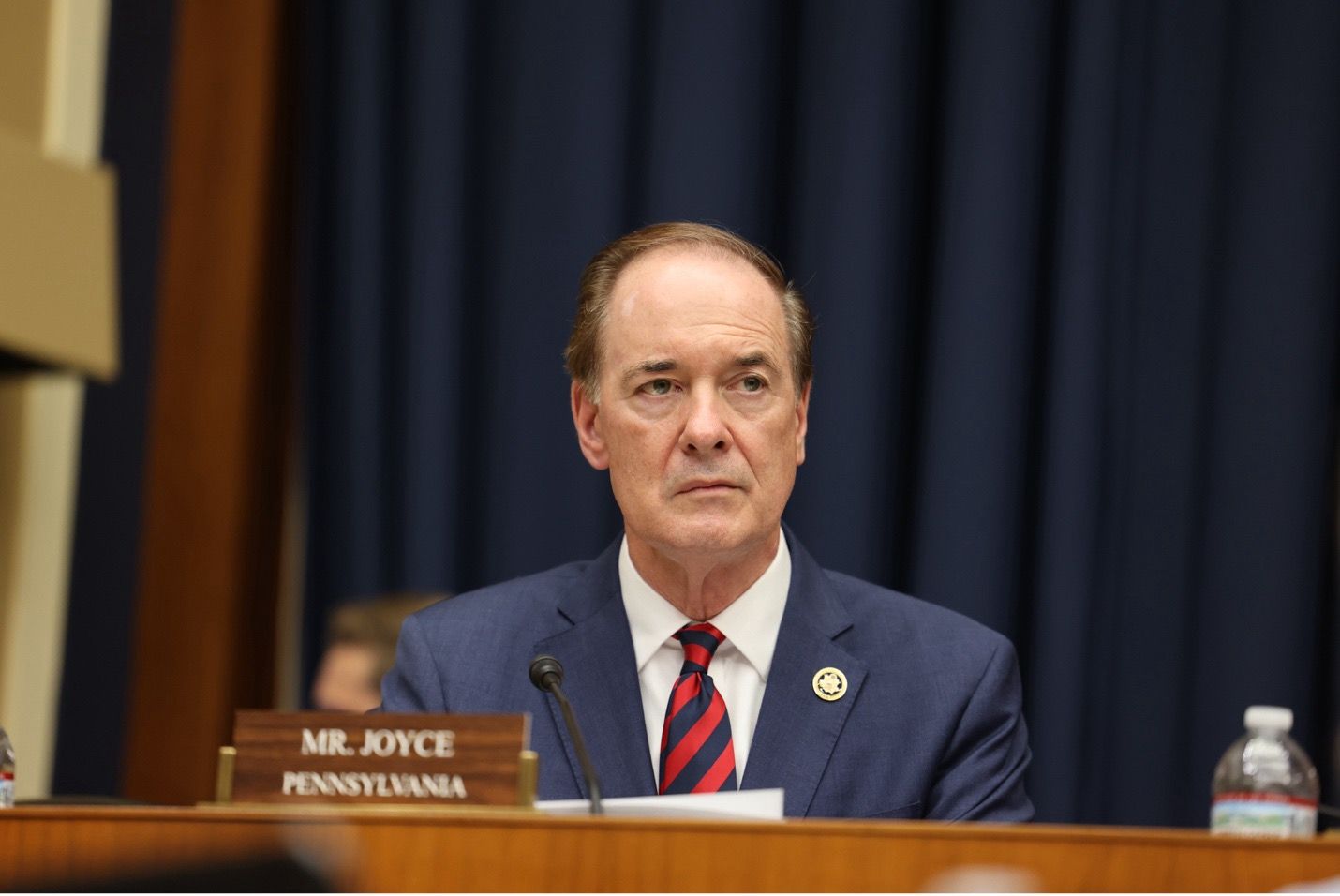
BV8A6008.JPG

Congressman John Joyce, M.D. (PA-13): “CERCLA was established to hold polluters liable for the cleanup of chemical contamination that they caused. This polluter pays liability framework is helpful in many instances where there is a need for expensive environmental cleanups, so that the party that generated or released the hazardous substance can be held responsible for the associated costs. However, the liability established by CERCLA does not stop with the polluters. Under the statute’s liability framework, any person who has had incurred costs related to the remediation of hazardous substances can file suit against not just polluters, but so-called passive receivers. These passive receivers are not involved in the initial generation or discharge of hazardous chemicals, but might receive water, soil or other materials containing such substances. Given how common the use of PFAS is, the 2024 final rule designating two PFAS chemistries as hazardous substances creates a system where many passive receivers will be drawn into costly legal proceedings for contamination that they bear little or absolutely no responsibility for having created.”

BV8A6346.JPG

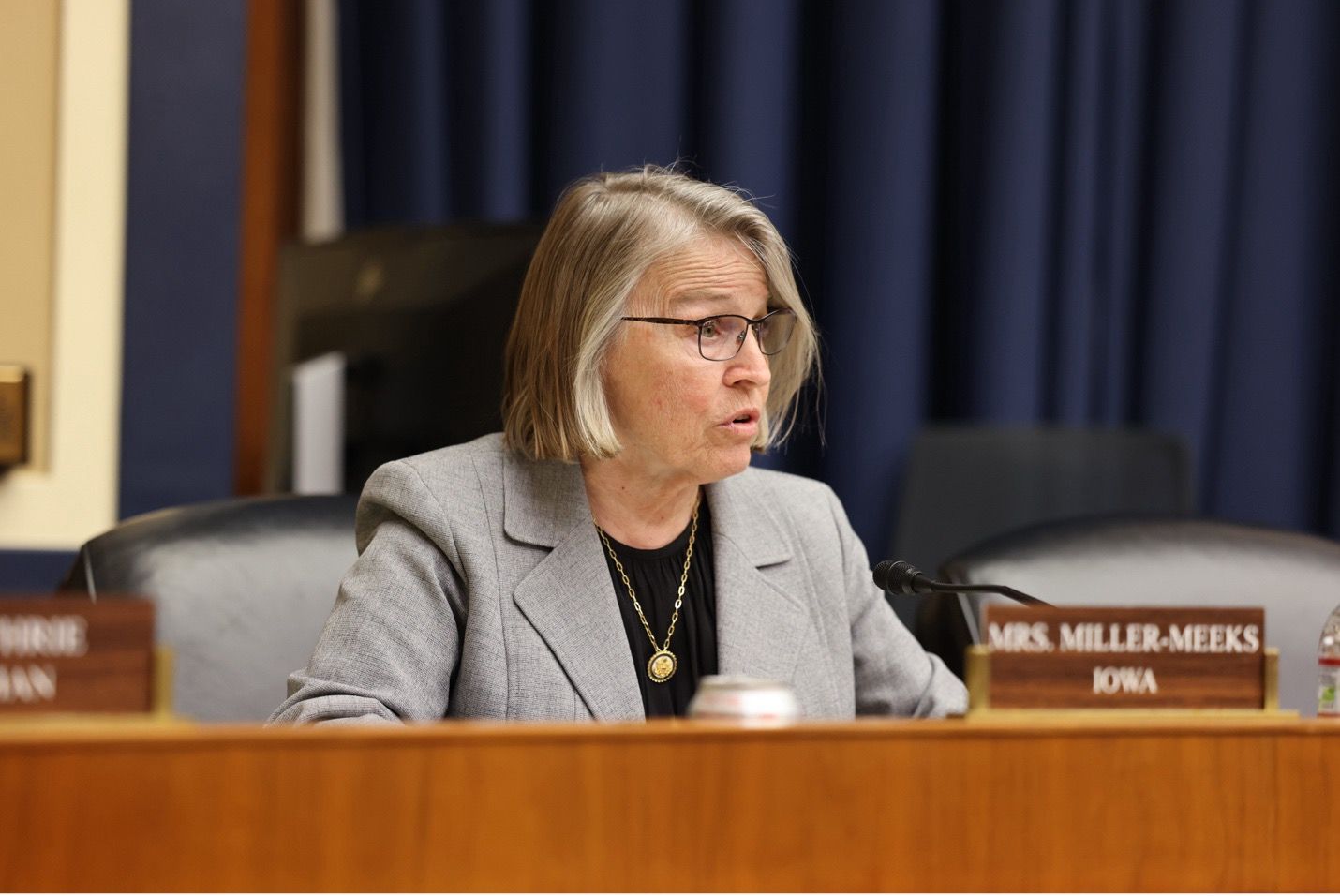
Congresswoman Mariannette Miller-Meeks (IA-01): “As the Representative from Iowa, I take seriously our responsibility to protect public health and the environment while also ensuring that federal policies are fair, clear, and feasible in Iowa. Clean water affects our farmers, our rural communities, our drinking water systems, and our local employers, as well as families. Many of the entities now worried about the circle of liability like water utilities, wastewater facilities, landfills and farmers, who responsibly apply biosolids, did not create PFAS but could still be swept up in a liability scheme that is retroactive, strict, joint, and several. Cost to passive receivers is only one piece of the problem. We should also explore options that support swift remediation and provide the liability certainty necessary for American industry to focus on solutions that allow them to continue to invest in the US, rather than endless courtroom battles. At the same time, we should be encouraging innovation and American ingenuity. Iowa agriculture is already helping lead the way with promising alternatives to PFAS, including soy-based fire suppressants made from soybean meal. These kinds of homegrown solutions can reduce reliance on legacy chemicals, create new markets for farmers, and strengthen our economy without heavy handed mandates from Washington.”

BV8A6390.JPG

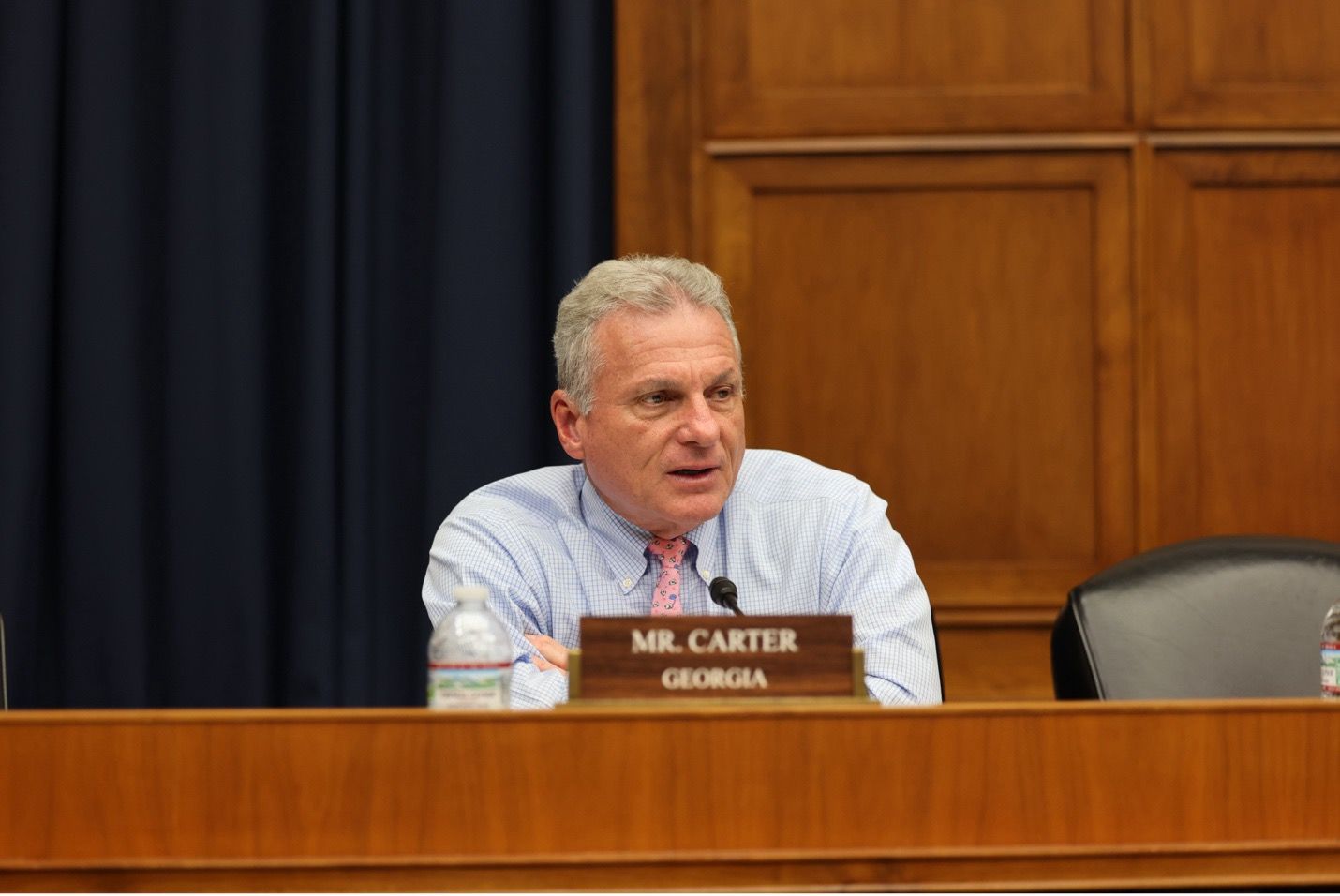
Congressman Buddy Carter (GA-01): “This is certainly an important hearing, and Mr. Chairman, I applaud you and thank you for holding it. […] We've established the fact that PFAS are used in a number of different areas and a number of different things, and consumer products and industrial purposes. And oftentimes they're used in life saving devices, electronics and firefighting foams. I'm going to touch on that in just a second, but while they're essential for everyday life and many life saving devices, its very complex nature makes the cleanup and the disposal difficult. So, I want to talk about the practicality of how we deal with this. I'm not denying we need to deal with it, I just want to talk about the practicality.”


Dec 18, 2025
Press Release

House Passes Energy and Commerce Bill to Stop Federal Medicaid Dollars from Funding Medically Unnecessary Care for Minors

WASHINGTON, D.C. – Today, Congressman Brett Guthrie (KY-02), Chairman of the House Committee on Energy and Commerce, and Congressman Dan Crenshaw (TX-02), issued a statement following House passage of H.R. 498, the Do No Harm in Medicaid Act—legislation that prohibits federal Medicaid dollars from going toward specified gender transition procedures for individuals under the age of 18.

“The Do No Harm in Medicaid Act helps strengthen, sustain, and secure our Medicaid program by ensuring federal Medicaid funding is not used for medically unnecessary care for minors,” said Chairman Guthrie. “I’m thankful to my colleague, Representative Dan Crenshaw, for his diligent work in protecting our nation’s children. It’s our duty as members of Congress to support our fellow Americans—especially our most vulnerable—by prohibiting valuable and finite taxpayer dollars from continuing to fund controversial, life-altering gender transition procedures for individuals under the age of 18.”

“Using Medicaid for unscientific, irreversible procedures on minors is an abominable betrayal of our most vulnerable,” said Rep. Crenshaw. “This is a crucial step in protecting our children from the depraved actors that would do them harm.”

Background on H.R. 498:

  • H.R. 498, the Do No Harm in Medicaid Act, prohibits federal Medicaid funding for specified gender transition procedures for individuals under the age of 18.
  • The House also passed this bill as a provision within H.R. 1, the budget reconciliation bill, on May 22, 2025.
  • The Congressional Budget Office estimates that H.R. 498 would reduce direct spending for Medicaid and CHIP by $445 million over the 2026-2035 period.
  • Publicly available polling has consistently indicated that Americans oppose providing children with puberty blockers and irreversible surgeries.
  • The U.S. Department of Health and Human Services (HHS) announced today a series of proposed regulatory actions to carry out President Trump’s Executive Order directing HHS to end the practice of sex-rejecting procedures on children that expose young people to irreversible harm, including pharmaceutical or surgical interventions that attempt to align a child’s physical appearance or body with an asserted identity different from their sex.


Trending Subcommittees

Commerce, Manufacturing, and Trade


11 Updates

Interstate and foreign commerce, including all trade matters within the jurisdiction of the full committee; consumer protection, including privacy matters generally; data security; motor vehicle safety; regulation of commercial practices (the Federal Trade Commission), including sports-related matters; consumer product safety (the Consumer Product Safety Commission); product liability; and regulation of travel, tourism, and time. The Subcommittee’s jurisdiction can be directly traced to Congress’ constitutional authority “to regulate Commerce with foreign nations, and among the several States, and with the Indian Tribes.”


Communications & Technology


5 Updates

Electronic communications, both Interstate and foreign, including voice, video, audio and data, whether transmitted by wire or wirelessly, and whether transmitted by telecommunications, commercial or private mobile service, broadcast, cable, satellite, microwave, or other mode; technology generally; emergency and public safety communications; cybersecurity, privacy, and data security; the Federal Communications Commission, the National Telecommunications and Information Administration, the Office of Emergency Communications in the Department of Homeland Security; and all aspects of the above-referenced jurisdiction related to the Department of Homeland Security.


Energy


8 Updates

National Energy Policy, energy infrastructure and security, energy related Agencies and Commissions, all laws, programs, and government activities affecting energy matters. National Energy Policy focuses on fossil energy; renewable energy; nuclear energy; energy conservation, utility issues, including but not limited to interstate energy compacts; energy generation, marketing, reliability, transmission, siting, exploration, production, efficiency, cybersecurity, and ratemaking for all generated power. Energy infrastructure and security focuses on pipelines, the strategic petroleum reserve, nuclear facilities, and cybersecurity for our nation’s grid. Our jurisdiction also includes all aspects of the above-referenced jurisdiction related to the Department of Homeland Security. Agencies and Commissions in our jurisdiction include: The US Department of Energy, the Nuclear Regulatory Commission; and the Federal Energy Regulatory Commission.


Recent Letters


Nov 17, 2025
Health

Chairmen Guthrie and Joyce Pen Letter to CMS Following HHS Announcement Decertifying South Florida OPO and Implementing Further Safety Guidelines for the Organ Procurement and Transplant System

WASHINGTON, D.C.  – Today, Congressman Brett Guthrie (KY-02), Chairman of the House Committee on Energy and Commerce, and Congressman John Joyce, M.D. (PA-13), Chairman of the Subcommittee on Oversight and Investigations, sent a letter to the Centers for Medicare and Medicaid Services (CMS) requesting a briefing to better understand the Department of Health and Human Services’ (HHS) recent actions and ongoing work to enhance safety within the organ procurement and transplantation system. On Thursday, September 18, 2025, the Department of Health and Human Services (HHS) announced major efforts to improve safety, transparency, and efficiency within the organ procurement and transplantation system, including the decertification of an organ procurement organization (OPO) for the first time in U.S. history. According to the announcement , the decision was made “after an investigation uncovered years of unsafe practices, poor training, chronic underperformance, understaffing, and paperwork errors.” The Committee has a history of ensuring patient safety remains the highest priority in our organ procurement and transplantation system, as evident from the Committee’s work last Congress on organ transplantation and donation issues as well as its oversight this Congress. As a part of its ongoing investigation, the Committee requests that CMS respond to questions, including those related to the decertification of the OPO in South Florida and the prevalence of incidents similar to those outlined in the Health Resources and Services Administration’s (HRSA) investigative report, to ensure patient safety remains a top priority. Read the full letter HERE . “While the Committee applauds efforts taken by CMS to uphold the highest standards of care to which all OPOs are expected to adhere, HHS’s announcement decertifying the Life Alliance Organ Recovery Agency illustrates the urgency of this moment and why the subcommittee is not finished with our oversight of the organ transplant system,” said Chairmen Guthrie and Joyce. “It is our moral obligation as members of Congress to establish safeguards and prevent these harmful practices from persisting further, and we look forward to obtaining answers from the agency about the prevalence of these incidents, as well as how CMS plans to proceed with prioritizing patient safety first and foremost.” Background: During the 118th Congress, the Committee on Energy and Commerce led the passage of the Securing the U.S. Organ Procurement and Transplantation Network Act to both modernize the Organ Procurement and Transplantation Network (OPTN) and allow HRSA to institute a competitive contracting process to find the best contractors for various OPTN functions. This legislation was signed into law on September 22, 2023.  On March 20, 2024, the Committee launched an investigation into the organ procurement and transplantation system by sending a letter to United Network for Organ Sharing (UNOS) requesting information related to concerns surrounding data security and operability, patient safety and equity, and conflicts of interest.   On March 20, 2024, the Committee also sent a letter to HRSA requesting information related to implementation of the Securing the U.S. Organ Procurement and Transplantation Network Act as well as other concerns related to effective oversight and management.  On September 11, 2024, the Subcommittee on Oversight and Investigations held a hearing that focused on the implementation of reforms at the OPTN, including the need for stronger oversight and accountability as well as ongoing patient safety concerns.  During the hearing, questions were raised related to allegations of mismanagement and patient safety concerns after patients began exhibiting signs of increased neurologic function after being previously deemed suitable as an organ donation candidate. Several of these allegations, particularly those related to patient safety, were later substantiated through the findings contained in HRSA’s March 2025 report.  On March 24, 2025, HRSA’s Division of Transplantation issued a report that summarized the findings of its investigation into KYDA, the OPO now known as Network for Hope, which serves Kentucky and parts of Ohio, West Virginia, and Indiana.   HRSA’s investigation examined an “index case” and an additional 351 unique cases of authorized, not recovered (ANR) patients. This means that the patients were considered for donation after circulatory death recovery, but no organs were transplanted. The report showed that nearly 30 percent of the cases “had concerning features.” The concerning features included problems with patient-family interactions, medical assessments and team interactions, recognition of high neurologic function, and recognition and documentation of drugs in records.  On May 28, 2025, HRSA issued a corrective action plan to the OPTN, which directed the OTPN to take specific actions within a specified period of time, including developing a 12-month OPTN monitoring plan for KYDA to address concerns identified. The corrective action plan also requires the OPTN to propose policies for public comment to improve safeguards for potential donation after circulatory death (DCD) patients in the organ procurement process and increase information shared with patient families regarding DCD organ procurement.  On July 22, 2025, the House Committee on Energy and Commerce’s Subcommittee on Oversight and Investigations held a hearing examining concerning practices within our nation’s organ procurement and transplant system that were identified by HRSA’s investigation.  On September 12, 2025, the Committee sent a bipartisan letter to HRSA requesting a briefing on its ongoing oversight of patient safety in our nation’s organ procurement and transplant system. ###


Nov 14, 2025
Environment

Chairmen Joyce and Palmer Send Letter to GAO Requesting Information on Alternatives to Critical Minerals Supply Chain

WASHINGTON, D.C. – Yesterday, Congressman John Joyce, M.D. (PA-13), Chairman of the Subcommittee on Oversight and Investigations, and Congressman Gary Palmer (AL-06), Chairman of the Subcommittee on Environment, sent a letter to Gene Dodaro, the Comptroller General of the Government Accountability Office (GAO), requesting an assessment of available or emerging technologies and materials that could be used to supplement critical minerals in semiconductors. “Critical minerals such as lithium, cobalt, and rare earth elements are essential for technologies used in many sectors of the economy, including energy, transportation, national defense, health care, and consumer electronics,” said Chairmen Joyce and Palmer . “These minerals are vulnerable to supply-chain disruptions for several reasons, including U.S. reliance on foreign sources, as well as the rapid growth in demand for critical minerals in the U.S. and abroad.” CLICK HERE to read the full letter. The letter asks the GAO to examine: The status of domestic technologies and supplemental materials, such as critical minerals found in mine waste, tailings, or reclaimed from end-of-life batteries and electronic waste, that can serve as substitutes for foreign-sourced critical minerals from non-allied nations needed for semiconductors and energy grid or power electronics, including impacts on material and product performance. Key technological challenges to the development or adoption of these domestic supplemental and materials to advance the diversification of U.S. critical mineral sources. BACKGROUND: In May, the Subcommittee on Oversight and Investigations held a hearing on ways to enhance our critical mineral supply chains. Energy and Commerce Committee Republicans are committed to strengthening our critical mineral supply chains and finding solutions to reduce our reliance on foreign sources, particularly when it comes to foreign adversaries like China. The Trump Administration has also worked hard to bolster these supply chains. Critical minerals are essential to American technologies and industries, and finding innovative domestic solutions that can contribute to our independence from non-allied nations is essential as we work to onshore American innovation and strengthen our national security. ###


Chairmen Guthrie, Joyce, and Bilirakis Send Letter to NCAA Over Decision to Let Student Athletes Gamble on Professional Sports

WASHINGTON, D.C. – Congressman Brett Guthrie (KY-02), Chairman of the House Committee on Energy and Commerce, Congressman John Joyce, M.D. (PA-13), Chairman of the Subcommittee on Oversight and Investigations, and Congressman Gus Bilirakis (FL-12), Chairman of the Subcommittee on Commerce, Manufacturing, and Trade, sent a letter to National Collegiate Athletic Association (NCAA) President Charlie Baker following the recent announcement that student athletes and athletic department staff will be allowed to bet on professional sports. KEY EXCERPTS: “The Committee on Energy and Commerce is examining the NCAA’s recent policy change permitting student athletes and athletic department staff to bet on professional sports.” [...] To assist the Committee in its oversight, we request a briefing by no later than November 13, 2025, that addresses the following: Why is the NCAA changing its policy allowing student athletes to bet on professional sports? Has the NCAA conducted any studies, analyses, or reviews of the impact of gambling on student athletes? If so, what are the results? What role did they play in the NCAA’s decision to allow student athletes to bet on professional sports? How does this change allow the NCAA, the conferences, and the member schools to better protect the integrity of college games and encourage healthy habits for student-athletes who choose to engage in betting activities on professional sports? How is the NCAA engaging with athletic conferences, member institutions, and teams to address questions and concerns about this rule change? Amid recent allegations of illegal sports betting among student athletes and concerns expressed by member institutions, is NCAA reconsidering implementation of the policy? What guardrails are in place to prevent the type of illegal sports betting activity that is allegedly occurring in the NCAA and NBA, considering that some student athletes will go on to become professional athletes? Please provide details about any fraudulent, illegal, and alleged betting practices in connection with NCAA players, coaches, and officials, including the actions of NCAA players identified in recent infraction decisions; as well as prior instances, some of which are identified above. Please describe the NCAA’s “layered integrity monitoring program,” for maintaining competition integrity and pursuing sports betting violations. What gaps, if any, are in existing regulations that allow illegal betting schemes to occur in college sports? BACKGROUND: On October 24, 2025, the Committee on Energy and Commerce launched its investigation into sports fixing and illegal gambling after the Federal Bureau of Investigation (FBI) unsealed indictments of current and former NBA players and coaches. An initial announcement stated that, effective November 1, 2025, student athletes and athletic department staff in all three NCAA divisions would be permitted to bet on professional sports. A few days before the policy change was supposed to take effect, the Division I Board of Directors voted to delay implementation of the rule change across all three divisions to November 22, 2025. A recent NCAA press release stated that “enforcement staff has opened investigations into potential sports betting violations by approximately 30 current or former men's basketball student-athletes.” CLICK HERE to read the full letter.