Welcome to the House Committee on Energy and Commerce

E&C is at the forefront of all issues and policies powering America’s economy, including our global competitive edge in energy, technology, and health care.


The Latest

From the Committee

Jan 13, 2026
Energy
Chairman Latta Delivers Opening Statement at Subcommittee on Energy Hearing on Legislation to Protect America’s Energy Infrastructure

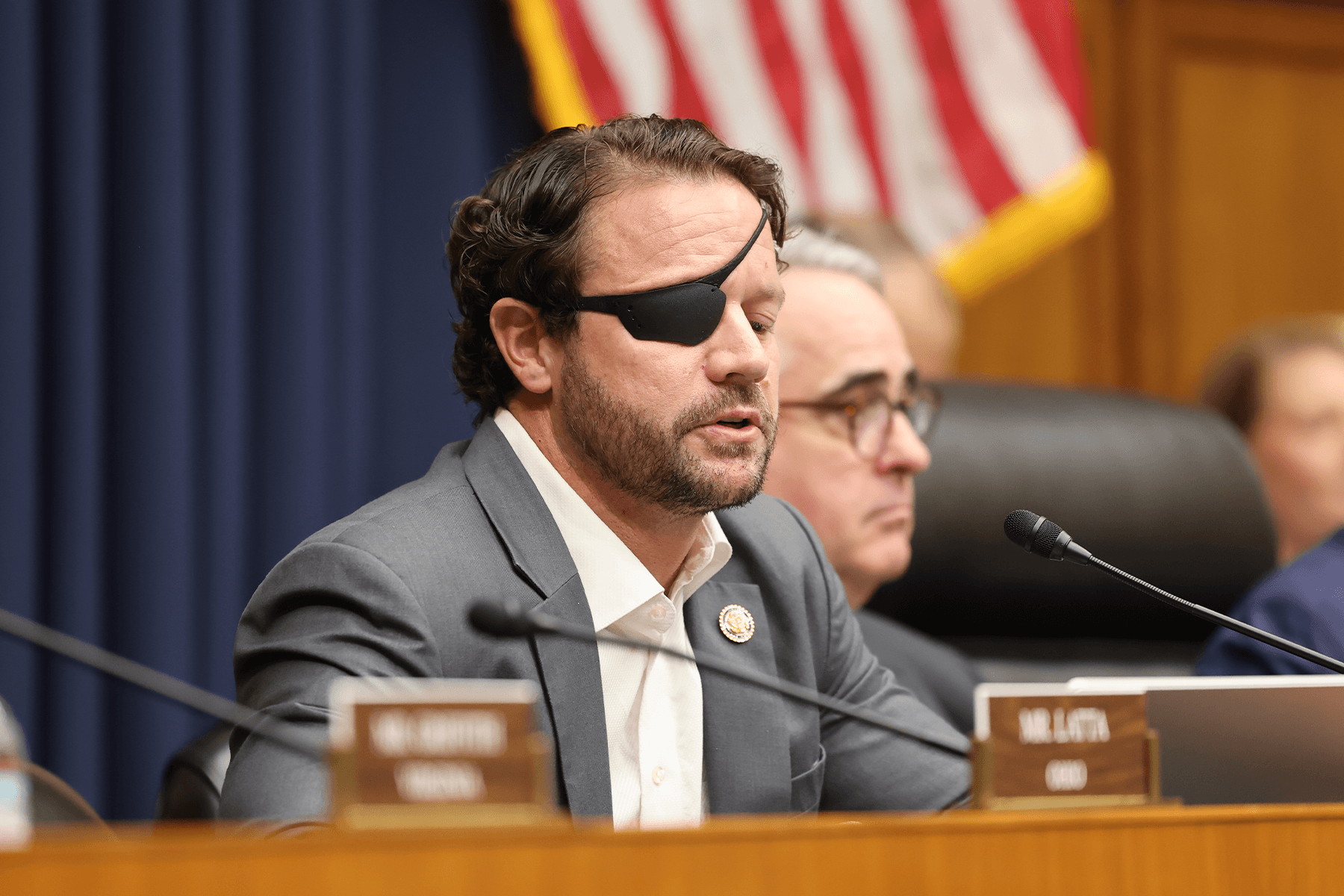
WASHINGTON, D.C. – Congressman Bob Latta (OH-05), Chairman of the Subcommittee on Energy, delivered the following opening statement at today's hearing titled Protecting America's Energy Infrastructure in Today's Cyber and Physical Threat Landscape.

Subcommittee Chairman Latta’s opening statement as prepared for delivery:

“Welcome to today’s hearing and thank you to the witnesses for appearing before us to inform our legislative efforts to secure and strengthen the nation’s energy systems.

“The reliable delivery of energy through our critical infrastructure is foundational to the modern economy and the health and welfare of all our communities.

“At a time of tremendous growth in our nation’s energy demands, the need for effective security cannot be overstated.

“During our recent hearing examining cyber and physical threats, we heard directly from operators and experts about the capabilities of adversaries and the work to safeguard against efforts to exploit vulnerabilities to disrupt the everyday lives of hardworking Americans.

“Addressing cyber and physical threats is no easy task.

“The avenues for malicious activity only widen as digitization, communications, and linkages of gas pipelines, new generating resources, and transmission take root to meet energy demands.

“The interconnected nature of our energy systems requires constant intelligence sharing, clear visibility into threat landscapes, and sufficient resources to fill gaps in security protections for rural and small utility service territories.

“That is exactly what the legislation before us seeks to accomplish.

“Importantly, the Energy Emergency Leadership Act strengthens the Department of Energy’s central energy sector security mission.

“It does so by requiring that its well-established energy emergency and cyber functions are led by an Assistant Secretary, confirmed by the Senate.

“This will ensure the Department has the focused and accountable leadership to more fully protect the public from fuel and electricity supply disruptions, including emerging threats from our foreign adversaries to the nation’s electric grid.

“As the Sector Risk Management Agency for the energy sector, DOE requires visibility over the whole system and actively collaborates not only with the power sector, but also the oil and gas sector to prepare and respond appropriately to emergencies. DOE’s central role in Federal coordination and providing technical assistance as needed is critical for a secure energy system.

“The Pipeline Cybersecurity Preparedness Act will enhance and formalize DOE’s work in this area, so we have a stronger, more resilient energy sector.

“Alongside this bill, the Energy Threat Analysis Center Act would formally authorize a valuable program that improves information sharing and coordination on threat analyses.

“The Energy Threat Analysis Center, or ETAC, brings together key public and private partners, including the intelligence community, to address vulnerabilities in critical infrastructure and provide operational support for energy sector resilience.

“The Rural and Municipal Utility Cybersecurity Act will improve cybersecurity protocols and equipment for small utilities, electric co-operatives, and public power agencies by providing targeted funding and technical assistance.

“These small entities typically serve our most rural and remote communities that do not have the same resources as their larger investor-owned counterparts.

“States too play an essential role in protecting energy infrastructure within their borders.

“Last Congress, this committee held a field hearing in North Carolina to examine the attack on a substation in Moore County that left 30,000 people without power.

“The SECURE Grid Act, which I plan to sponsor with my colleague from California’s 7th Congressional district, builds upon the existing State Energy Security Plan framework to expand the visibility of potential threats to local distribution and supply chain networks.

“Altogether, this package of security bills comes at a critical time.

“Our adversaries remain close on our heels to overtake the United States as the leading technological superpower on the world stage.

“Our communities cannot afford to endure disruptive large-scale attacks that can be prevented with commonsense solutions and collaboration.

“The bills before us today present a bipartisan opportunity to secure our nation’s energy system so we can fuel economic growth in job creating industries across the country.

“Today we’ll hear from the Department of Energy, which has been helpful providing technical assistance to our bi-partisan work today.

“Alex Fitzsimmons, Acting Undersecretary of Energy, will provide a broad view of DOE’s important energy sector work and how this legislation may advance that work.

“Our second panel of witnesses will also inform our work from their perspectives on the front lines of cyber and physical threat protection.

“I look forward to the discussion today.”

###


More News & Announcements


Jan 13, 2026
Press Release

Chairmen Guthrie, Joyce, Griffith, Smith, Schweikert, and Buchanan Ask HHS OIG About Ongoing HHA and Hospice Fraud in Los Angeles County

WASHINGTON, D.C. – Congressman Brett Guthrie (KY-02), Chairman of the House Committee on Energy and Commerce, Congressman John Joyce, M.D. (PA-13), Chairman of the Energy and Commerce Subcommittee on Oversight and Investigations, Congressman Morgan Griffith (VA-09), Chairman of the Energy and Commerce Subcommittee on Health, Congressman Jason Smith (MO-08), Chairman of the House Committee on Ways and Means, Congressman David Schweikert (AZ-01), Chairman of the Ways and Means Subcommittee on Oversight, and Congressman Vern Buchanan (FL-16), Chairman of the Ways and Means Subcommittee on Health, authored ** a letter ** to the U.S. Department of Health and Human Services (HHS) Office of Inspector General (OIG) requesting a meeting on the concerning evidence detailed in the letter that points to large-scale, ongoing Medicare fraud in Los Angeles County, along with what action is being taken to address the situation.

“The House Committee on Energy and Commerce has an extensive history of digging deeper into matters where program integrity has been compromised. This letter is crucial in our commitment to eliminating waste, fraud, and abuse in federal health care programs,” said Chairmen Guthrie, Joyce, and Griffith. “Republicans have spent much of this Congress furthering legislation to protect our most vulnerable Americans—especially seniors, but our work is not done. Continued oversight is crucial to uphold the integrity of programs that serve our most vulnerable populations. We applaud the ongoing work being conducted by HHS-OIG in cracking down on the fraud that has occurred, and we look forward to addressing the larger-scale scheme that is draining public resources from Americans who need these services the most.”

“Medicare home health and hospice fraud directly undermines the safety and reliability of care for America’s most vulnerable seniors. Auditors have reported an unprecedented jump in home health and hospice fraud in Los Angeles County, California – including one report showing 112 different hospices located at the same physical address. With $1.2 billion in improper payments in home health claims and the Inspector General reporting $198 million in suspected hospice fraud, Gavin Newsom’s California could just as well be another Minnesota,” said Chairman Smith. “The Ways and Means Committee will not hesitate to use our broad oversight authority to get to the bottom of this and protect taxpayers and vulnerable patients against these bad actors.”

BACKGROUND:

Evidence has strongly suggested large-scale Medicare fraud involving home health agencies (HHA) and hospice agencies in Los Angeles County, California, noting that such practices not only drain public resources but also compromise the quality of care provided to patients, especially those most vulnerable populations.

  • The Centers for Medicare and Medicaid Services (CMS) found that the 2023 improper payment error rate for home health claims was 7.7 percent, or about $1.2 billion, in 2023.
  • In terms of hospice care, HHS OIG reported suspected hospice fraud to be an estimated $198.1 million in fiscal year (FY) 2023.
  • CMS has placed HHAs as an area of high risk for Medicare fraud.

Emerging concerns over Medicare fraud in the HHAs and hospice sector highlights heightened activity, specifically in Los Angeles County.

  • From 2019 through June 2023, HHAs in the U.S. decreased from 8,838 to 8,280 (6 percent), while, at the same time, HHAs in Los Angeles County increased from 896 to 1,309 (46 percent).
  • More than 1,400 new Los Angeles County HHAs enrolled in Medicare in the last five years, representing over 50 percent of all HHAs in the state of California and nearly 14 percent of all HHAs in the country.

Based on data from the March 2022 California State Auditor’s Report and from HHS on hospice ownership, Los Angeles County had more than 31 percent of the hospice agencies in the U.S. in 2022.

  • There were approximately 58 million seniors in the U.S. in 2022, with Los Angeles County having approximately 1.49 million seniors (2.5 percent).
  • The report highlighted indicators that included a “rapid, disproportionate growth in the number of hospice agencies” and “excessive geographic clustering of hospice agencies,” noting that 112 different licensed hospice agencies were located at the same physical address.
  • State auditors in California estimated that hospice agencies in Los Angeles County likely overbilled Medicare by $105 million in 2019.

These accounts of widespread fraud occurring in Los Angeles County’s HHAs and hospice agencies have raised concerns about whether home health and hospice Accrediting Organizations (AO) are effectively examining such organizations at the time of their enrollment in Medicare.

  • In November 2024, CMS issued a Quality, Safety, and Oversight memo to surveyors, reminding them to closely inspect hospices’ Medicare enrollment documents to understand changes in ownership and location, but neglecting to encourage AOs to pursue other commonsense antifraud measures.

In April 2025, HHS OIG announced that the Office of Audit Services would compile a report for FY 2026 to identify trends, patterns, and comparisons that could indicate potential vulnerabilities related to new Medicare hospice provider enrollments.

In May 2025, the Health Care Fraud Strike Force—a joint task force of federal, state, and local law enforcement agencies, including HHS OIG—** announced multiple arrests ** following a multi-year investigation into Armenian Organized Crime, which dismantled five hospices in the greater Los Angeles area.

On November 28, 2025, CMS ** announced ** the Calendar Year 2026 Home Health Prospective Payment System Final Rule, providing comments that suggest an interest in addressing the aforementioned accounts of fraud.


Jan 12, 2026
Press Release

ICYMI: “House Healthcare Leaders: Republicans Cleaning Up Democrat ‘Mess,’ Inviting Health Insurance CEO to Testify”

WASHINGTON, D.C. – In case you missed it, ** Breitbart ** recently reported that Congressman Brett Guthrie (KY-02), Chairman of the House Committee on Energy and Commerce, and Congressman Jason Smith (MO-08), Chairman of the House Committee on Ways and Means, announced upcoming hearings inviting five of the nation’s largest health insurance company CEOs to testify on rising health care costs and ways to make health care more affordable for all Americans.

In Case You Missed It:

“House Energy and Commerce Chairman Brett Guthrie (R-KY), House Ways and Means Chairman Jason Smith (R-MO) told Breitbart News that Republicans have been forced to clean up Democrats’ healthcare ‘mess;’ they will invite health insurance executives later this month to testify on how to lower healthcare costs.

“‘House Republicans are once again left to clean up the mess of Democrats’ flawed policymaking. Instead of temporarily bailing out a failing program utilized by a fraction of the country, we have invited five of the top health insurance company CEOs to testify before our Committees to have a discussion and answer questions about rising costs, the current state of health care affordability, and the role played by large health insurers,’ Guthrie and Smith said in a written statement.

“On January 22, health insurance executives will testify before two hearings, with the Energy and Commerce Committee hearing taking part in the morning, and the Ways and Means Committee hearing taking place that afternoon.

“Executives that have been invited to the hearings include:

- Stephen Hemsley, CEO, UnitedHealth Group
- David Joyner, President and CEO, CVS Health Group
- David Cordani, President, CEO, and Chairman of the Board, Cigna Health Group
- Gail Boudreaux, President and CEO, Elevance Health
- Paul Markovich, President and CEO, Ascendiun

“‘This hearing is the first in a series to examine the root causes driving higher health care prices and discuss policies that will lower the cost of care for all Americans,’ they continued.

“The hearings will take place as the House will as soon as Thursday vote on a bill that would extend the expiring enhanced Obamacare subsidies, which has become a focal point of the nation’s healthcare debate.

“Democrats have honed in on these expiring Enhanced Premium Tax Credits (EPTCs), or enhanced Obamacare credits, that aim to lower the cost of health insurance. However, as Breitbart News has detailed, these enhanced subsidies that were meant to serve as a temporary relief from the effects of the coronavirus pandemic are rife with abuse.

“The nonpartisan Government Accountability Office (GAO) found that there was rampant waste, fraud, and abuse coming from these premium tax credits. Further, a report from the Paragon Health Institute has explained how the expiring Obamacare premiums minimally impacted total 2026 premiums, which counters a Democrat narrative that the expiration of these credits are responsible for the recent rise in health insurance premiums.

“Democrats first enhanced these subsidies through the pandemic-era stimulus plan, the $1.9 trillion American Rescue Plan. The Democrat majority in Congress then extended the credits through the so-called Inflation Reduction Act through the end of 2025, setting the stage for Congress’s current healthcare fight.

“In contrast to the Democrats, Republicans in the House passed the Lower Health Care Premiums for All American Act, a bill that the Congressional Budget Office (CBO) said would lower premiums by 11 percent and save $35.6 billion.

“‘Republicans are committed to making health care more affordable by driving solutions that increase patient choice and competition, root out waste, fraud, and abuse, and put patients back at the center of our health care system,’ the healthcare leaders concluded in their statement.”


Jan 9, 2026
Press Release

House Passes Energy and Commerce Legislation to Make Housing More Affordable

WASHINGTON, D.C. – Today, Congressman Brett Guthrie (KY-02), Chairman of the House Committee on Energy and Commerce, and Congresswoman Erin Houchin (IN-09), celebrated the House passage of legislation advanced by the Committee on Energy and Commerce to make home ownership more affordable and increase consumer choice.

H.R. 5148, the Affordable HOMES Act, led by Congresswoman Houchin (IN-09), cuts through red tape encumbering the manufactured housing industry, helping to lower the cost of home ownership for millions of Americans.

Attributable to Congressman Brett Guthrie (KY-02), Chairman of the House Committee on Energy and Commerce:

“This legislation is essential to our work to cut red tape and lower costs for hard-working American families. The Affordable HOMES Act cuts redundant regulations to help restore the American Dream of home ownership for millions of families,” said Chairman Guthrie. “Thank you to Congresswoman Houchin for your work to lead theAffordable HOMES and support our communities.”

Attributable to Congresswoman Erin Houchin (IN-09):

“As demand for affordable homes has surged, so have unnecessary costs, making the dream of homeownership slip further out of reach for Americans. The Affordable HOMES Act takes a practical approach by cutting red tape and regulations that contribute to pricing American families out of owning a home, which will increase supply and lower costs,” said Rep. Houchin. “I’m proud to see the House take an important step toward restoring the American Dream with the passage of this bill.”

BACKGROUND:

H.R. 5184, the Affordable HOMES Act—Rep. Houchin (IN-09)

  • Manufactured homes play an important role in meeting our nation’s demand for affordable housing. In 2023, approximately 16.6 million Americans resided in manufactured homes.
  • Under current law, the Department of Energy (DOE) has the authority to establish energy efficiency standards for manufactured housing.
  • This authority is duplicative of the Department of Housing and Urban Development’s (HUD) long-standing, exclusive authority over these energy codes for manufactured housing.
  • This legislation streamlines the standard setting process, helps lower the cost of manufactured housing, and increases housing affordability for American home buyers.


Trending Subcommittees

Commerce, Manufacturing, and Trade


1 Update

Interstate and foreign commerce, including all trade matters within the jurisdiction of the full committee; consumer protection, including privacy matters generally; data security; motor vehicle safety; regulation of commercial practices (the Federal Trade Commission), including sports-related matters; consumer product safety (the Consumer Product Safety Commission); product liability; and regulation of travel, tourism, and time. The Subcommittee’s jurisdiction can be directly traced to Congress’ constitutional authority “to regulate Commerce with foreign nations, and among the several States, and with the Indian Tribes.”


Communications & Technology


4 Updates

Electronic communications, both Interstate and foreign, including voice, video, audio and data, whether transmitted by wire or wirelessly, and whether transmitted by telecommunications, commercial or private mobile service, broadcast, cable, satellite, microwave, or other mode; technology generally; emergency and public safety communications; cybersecurity, privacy, and data security; the Federal Communications Commission, the National Telecommunications and Information Administration, the Office of Emergency Communications in the Department of Homeland Security; and all aspects of the above-referenced jurisdiction related to the Department of Homeland Security.


Energy


9 Updates

National Energy Policy, energy infrastructure and security, energy related Agencies and Commissions, all laws, programs, and government activities affecting energy matters. National Energy Policy focuses on fossil energy; renewable energy; nuclear energy; energy conservation, utility issues, including but not limited to interstate energy compacts; energy generation, marketing, reliability, transmission, siting, exploration, production, efficiency, cybersecurity, and ratemaking for all generated power. Energy infrastructure and security focuses on pipelines, the strategic petroleum reserve, nuclear facilities, and cybersecurity for our nation’s grid. Our jurisdiction also includes all aspects of the above-referenced jurisdiction related to the Department of Homeland Security. Agencies and Commissions in our jurisdiction include: The US Department of Energy, the Nuclear Regulatory Commission; and the Federal Energy Regulatory Commission.


Recent Letters


Jan 13, 2026
Press Release

Chairmen Guthrie, Joyce, Griffith, Smith, Schweikert, and Buchanan Ask HHS OIG About Ongoing HHA and Hospice Fraud in Los Angeles County

WASHINGTON, D.C. – Congressman Brett Guthrie (KY-02), Chairman of the House Committee on Energy and Commerce, Congressman John Joyce, M.D. (PA-13), Chairman of the Energy and Commerce Subcommittee on Oversight and Investigations, Congressman Morgan Griffith (VA-09), Chairman of the Energy and Commerce Subcommittee on Health, Congressman Jason Smith (MO-08), Chairman of the House Committee on Ways and Means, Congressman David Schweikert (AZ-01), Chairman of the Ways and Means Subcommittee on Oversight, and Congressman Vern Buchanan (FL-16), Chairman of the Ways and Means Subcommittee on Health, authored ** a letter ** to the U.S. Department of Health and Human Services (HHS) Office of Inspector General (OIG) requesting a meeting on the concerning evidence detailed in the letter that points to large-scale, ongoing Medicare fraud in Los Angeles County, along with what action is being taken to address the situation.

“The House Committee on Energy and Commerce has an extensive history of digging deeper into matters where program integrity has been compromised. This letter is crucial in our commitment to eliminating waste, fraud, and abuse in federal health care programs,” said Chairmen Guthrie, Joyce, and Griffith. “Republicans have spent much of this Congress furthering legislation to protect our most vulnerable Americans—especially seniors, but our work is not done. Continued oversight is crucial to uphold the integrity of programs that serve our most vulnerable populations. We applaud the ongoing work being conducted by HHS-OIG in cracking down on the fraud that has occurred, and we look forward to addressing the larger-scale scheme that is draining public resources from Americans who need these services the most.”

“Medicare home health and hospice fraud directly undermines the safety and reliability of care for America’s most vulnerable seniors. Auditors have reported an unprecedented jump in home health and hospice fraud in Los Angeles County, California – including one report showing 112 different hospices located at the same physical address. With $1.2 billion in improper payments in home health claims and the Inspector General reporting $198 million in suspected hospice fraud, Gavin Newsom’s California could just as well be another Minnesota,” said Chairman Smith. “The Ways and Means Committee will not hesitate to use our broad oversight authority to get to the bottom of this and protect taxpayers and vulnerable patients against these bad actors.”

BACKGROUND:

Evidence has strongly suggested large-scale Medicare fraud involving home health agencies (HHA) and hospice agencies in Los Angeles County, California, noting that such practices not only drain public resources but also compromise the quality of care provided to patients, especially those most vulnerable populations.

  • The Centers for Medicare and Medicaid Services (CMS) found that the 2023 improper payment error rate for home health claims was 7.7 percent, or about $1.2 billion, in 2023.
  • In terms of hospice care, HHS OIG reported suspected hospice fraud to be an estimated $198.1 million in fiscal year (FY) 2023.
  • CMS has placed HHAs as an area of high risk for Medicare fraud.

Emerging concerns over Medicare fraud in the HHAs and hospice sector highlights heightened activity, specifically in Los Angeles County.

  • From 2019 through June 2023, HHAs in the U.S. decreased from 8,838 to 8,280 (6 percent), while, at the same time, HHAs in Los Angeles County increased from 896 to 1,309 (46 percent).
  • More than 1,400 new Los Angeles County HHAs enrolled in Medicare in the last five years, representing over 50 percent of all HHAs in the state of California and nearly 14 percent of all HHAs in the country.

Based on data from the March 2022 California State Auditor’s Report and from HHS on hospice ownership, Los Angeles County had more than 31 percent of the hospice agencies in the U.S. in 2022.

  • There were approximately 58 million seniors in the U.S. in 2022, with Los Angeles County having approximately 1.49 million seniors (2.5 percent).
  • The report highlighted indicators that included a “rapid, disproportionate growth in the number of hospice agencies” and “excessive geographic clustering of hospice agencies,” noting that 112 different licensed hospice agencies were located at the same physical address.
  • State auditors in California estimated that hospice agencies in Los Angeles County likely overbilled Medicare by $105 million in 2019.

These accounts of widespread fraud occurring in Los Angeles County’s HHAs and hospice agencies have raised concerns about whether home health and hospice Accrediting Organizations (AO) are effectively examining such organizations at the time of their enrollment in Medicare.

  • In November 2024, CMS issued a Quality, Safety, and Oversight memo to surveyors, reminding them to closely inspect hospices’ Medicare enrollment documents to understand changes in ownership and location, but neglecting to encourage AOs to pursue other commonsense antifraud measures.

In April 2025, HHS OIG announced that the Office of Audit Services would compile a report for FY 2026 to identify trends, patterns, and comparisons that could indicate potential vulnerabilities related to new Medicare hospice provider enrollments.

In May 2025, the Health Care Fraud Strike Force—a joint task force of federal, state, and local law enforcement agencies, including HHS OIG—** announced multiple arrests ** following a multi-year investigation into Armenian Organized Crime, which dismantled five hospices in the greater Los Angeles area.

On November 28, 2025, CMS ** announced ** the Calendar Year 2026 Home Health Prospective Payment System Final Rule, providing comments that suggest an interest in addressing the aforementioned accounts of fraud.


Nov 17, 2025
Health

Chairmen Guthrie and Joyce Pen Letter to CMS Following HHS Announcement Decertifying South Florida OPO and Implementing Further Safety Guidelines for the Organ Procurement and Transplant System

WASHINGTON, D.C.  – Today, Congressman Brett Guthrie (KY-02), Chairman of the House Committee on Energy and Commerce, and Congressman John Joyce, M.D. (PA-13), Chairman of the Subcommittee on Oversight and Investigations, sent a letter to the Centers for Medicare and Medicaid Services (CMS) requesting a briefing to better understand the Department of Health and Human Services’ (HHS) recent actions and ongoing work to enhance safety within the organ procurement and transplantation system. On Thursday, September 18, 2025, the Department of Health and Human Services (HHS) announced major efforts to improve safety, transparency, and efficiency within the organ procurement and transplantation system, including the decertification of an organ procurement organization (OPO) for the first time in U.S. history. According to the announcement , the decision was made “after an investigation uncovered years of unsafe practices, poor training, chronic underperformance, understaffing, and paperwork errors.” The Committee has a history of ensuring patient safety remains the highest priority in our organ procurement and transplantation system, as evident from the Committee’s work last Congress on organ transplantation and donation issues as well as its oversight this Congress. As a part of its ongoing investigation, the Committee requests that CMS respond to questions, including those related to the decertification of the OPO in South Florida and the prevalence of incidents similar to those outlined in the Health Resources and Services Administration’s (HRSA) investigative report, to ensure patient safety remains a top priority. Read the full letter HERE . “While the Committee applauds efforts taken by CMS to uphold the highest standards of care to which all OPOs are expected to adhere, HHS’s announcement decertifying the Life Alliance Organ Recovery Agency illustrates the urgency of this moment and why the subcommittee is not finished with our oversight of the organ transplant system,” said Chairmen Guthrie and Joyce. “It is our moral obligation as members of Congress to establish safeguards and prevent these harmful practices from persisting further, and we look forward to obtaining answers from the agency about the prevalence of these incidents, as well as how CMS plans to proceed with prioritizing patient safety first and foremost.” Background: During the 118th Congress, the Committee on Energy and Commerce led the passage of the Securing the U.S. Organ Procurement and Transplantation Network Act to both modernize the Organ Procurement and Transplantation Network (OPTN) and allow HRSA to institute a competitive contracting process to find the best contractors for various OPTN functions. This legislation was signed into law on September 22, 2023.  On March 20, 2024, the Committee launched an investigation into the organ procurement and transplantation system by sending a letter to United Network for Organ Sharing (UNOS) requesting information related to concerns surrounding data security and operability, patient safety and equity, and conflicts of interest.   On March 20, 2024, the Committee also sent a letter to HRSA requesting information related to implementation of the Securing the U.S. Organ Procurement and Transplantation Network Act as well as other concerns related to effective oversight and management.  On September 11, 2024, the Subcommittee on Oversight and Investigations held a hearing that focused on the implementation of reforms at the OPTN, including the need for stronger oversight and accountability as well as ongoing patient safety concerns.  During the hearing, questions were raised related to allegations of mismanagement and patient safety concerns after patients began exhibiting signs of increased neurologic function after being previously deemed suitable as an organ donation candidate. Several of these allegations, particularly those related to patient safety, were later substantiated through the findings contained in HRSA’s March 2025 report.  On March 24, 2025, HRSA’s Division of Transplantation issued a report that summarized the findings of its investigation into KYDA, the OPO now known as Network for Hope, which serves Kentucky and parts of Ohio, West Virginia, and Indiana.   HRSA’s investigation examined an “index case” and an additional 351 unique cases of authorized, not recovered (ANR) patients. This means that the patients were considered for donation after circulatory death recovery, but no organs were transplanted. The report showed that nearly 30 percent of the cases “had concerning features.” The concerning features included problems with patient-family interactions, medical assessments and team interactions, recognition of high neurologic function, and recognition and documentation of drugs in records.  On May 28, 2025, HRSA issued a corrective action plan to the OPTN, which directed the OTPN to take specific actions within a specified period of time, including developing a 12-month OPTN monitoring plan for KYDA to address concerns identified. The corrective action plan also requires the OPTN to propose policies for public comment to improve safeguards for potential donation after circulatory death (DCD) patients in the organ procurement process and increase information shared with patient families regarding DCD organ procurement.  On July 22, 2025, the House Committee on Energy and Commerce’s Subcommittee on Oversight and Investigations held a hearing examining concerning practices within our nation’s organ procurement and transplant system that were identified by HRSA’s investigation.  On September 12, 2025, the Committee sent a bipartisan letter to HRSA requesting a briefing on its ongoing oversight of patient safety in our nation’s organ procurement and transplant system. ###


Nov 14, 2025
Environment

Chairmen Joyce and Palmer Send Letter to GAO Requesting Information on Alternatives to Critical Minerals Supply Chain

WASHINGTON, D.C. – Yesterday, Congressman John Joyce, M.D. (PA-13), Chairman of the Subcommittee on Oversight and Investigations, and Congressman Gary Palmer (AL-06), Chairman of the Subcommittee on Environment, sent a letter to Gene Dodaro, the Comptroller General of the Government Accountability Office (GAO), requesting an assessment of available or emerging technologies and materials that could be used to supplement critical minerals in semiconductors. “Critical minerals such as lithium, cobalt, and rare earth elements are essential for technologies used in many sectors of the economy, including energy, transportation, national defense, health care, and consumer electronics,” said Chairmen Joyce and Palmer . “These minerals are vulnerable to supply-chain disruptions for several reasons, including U.S. reliance on foreign sources, as well as the rapid growth in demand for critical minerals in the U.S. and abroad.” CLICK HERE to read the full letter. The letter asks the GAO to examine: The status of domestic technologies and supplemental materials, such as critical minerals found in mine waste, tailings, or reclaimed from end-of-life batteries and electronic waste, that can serve as substitutes for foreign-sourced critical minerals from non-allied nations needed for semiconductors and energy grid or power electronics, including impacts on material and product performance. Key technological challenges to the development or adoption of these domestic supplemental and materials to advance the diversification of U.S. critical mineral sources. BACKGROUND: In May, the Subcommittee on Oversight and Investigations held a hearing on ways to enhance our critical mineral supply chains. Energy and Commerce Committee Republicans are committed to strengthening our critical mineral supply chains and finding solutions to reduce our reliance on foreign sources, particularly when it comes to foreign adversaries like China. The Trump Administration has also worked hard to bolster these supply chains. Critical minerals are essential to American technologies and industries, and finding innovative domestic solutions that can contribute to our independence from non-allied nations is essential as we work to onshore American innovation and strengthen our national security. ###